Highland Home: Snaps from a Life in Southeast Asia
What is it like to live in the highlands of Southeast Asia? Take a look at these images from a Pioneers family who have served in the area for a decade.
This box is used to determine what content is shared through the social share feature. This will not be visible when published to the live site.
Twitter Share Info:
pioneersusa
Copy to Clipboard link:
Code & Content Empowering Email Share Functionality
Last updated on
Photos and captions courtesy of Commnet, a ministry of Pioneers. See also Reflections from the field: Highland Home. Can you see yourself there? Let’s talk.
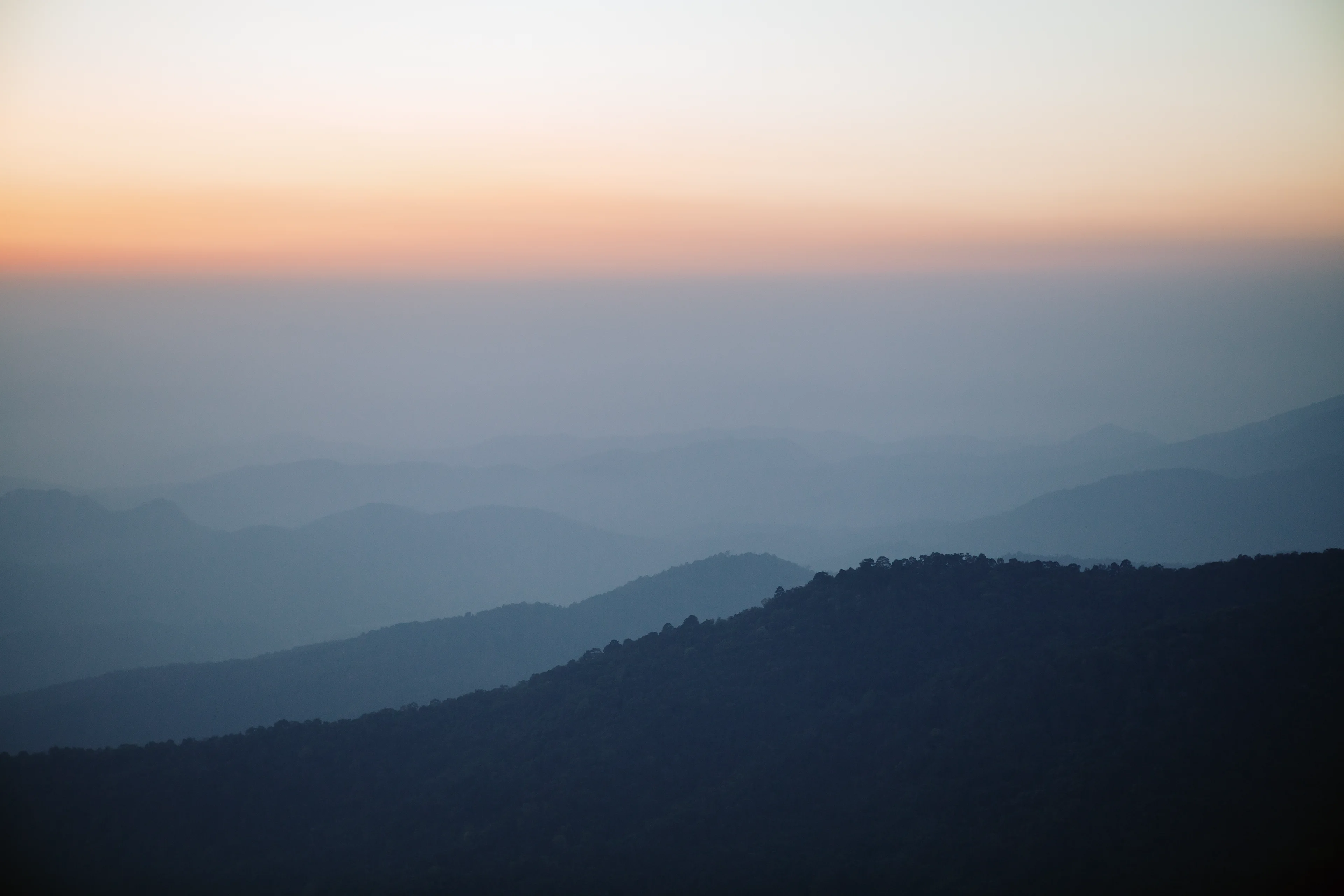
Nestled in a river basin within the highlands of this Southeast Asian country is a small city and its suburbs, surrounded by mountains. These peaks have historically shielded the area from invasions and are home to indigenous tribes and ancient traditions. They are sacred hills dotted with temples and shrines. It’s a joy to leave the valley’s heat and climb to where the palms turn into pines and wild poinsettias grow along the road. Seriously. Have you ever seen a two-story poinsettia?
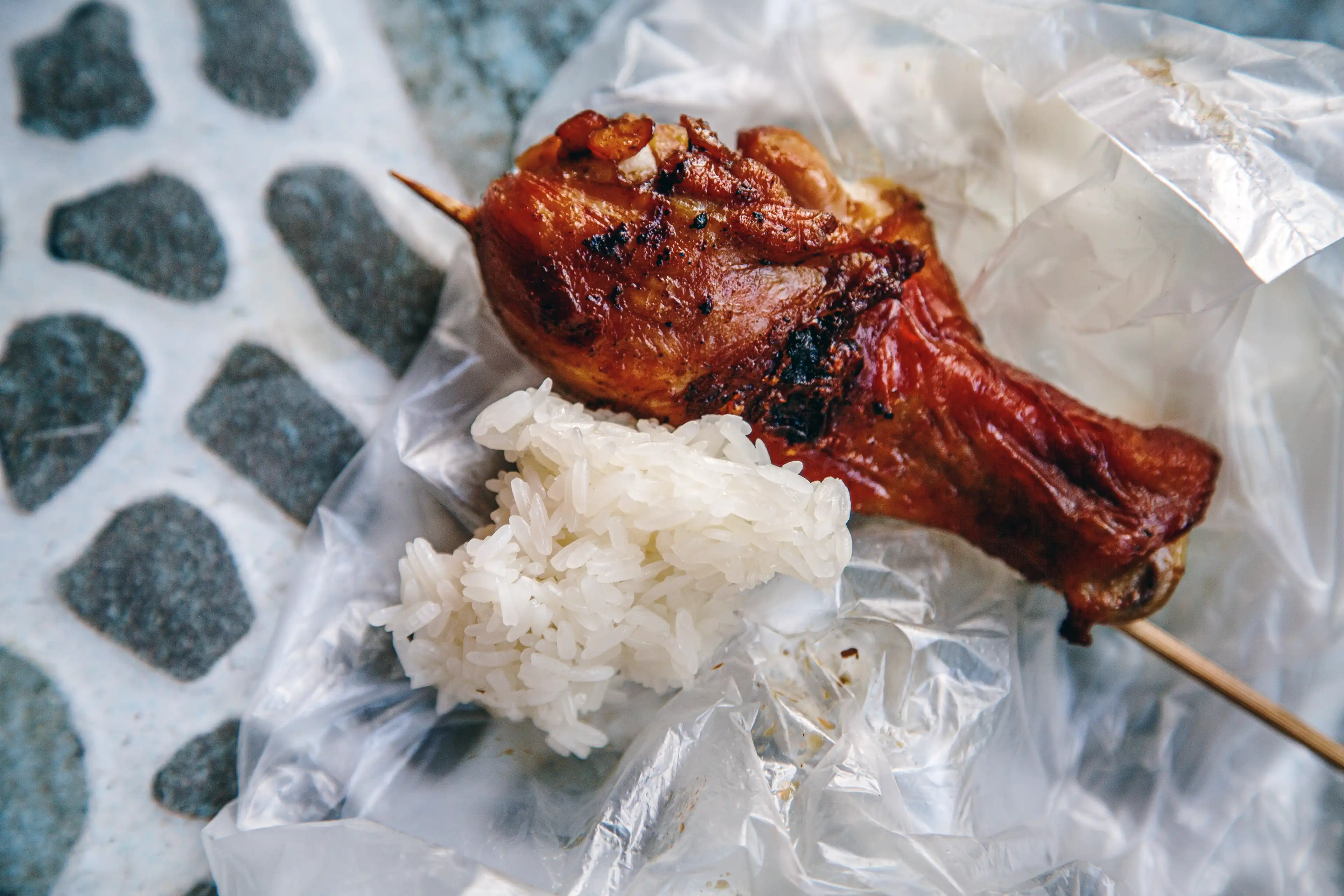
When riding your motorbike through the smoke from charcoal-grilled chicken at a roadside stand, it’s tough to resist stopping. Our favorite grilled chicken spots sell out every day. One is just a bamboo shack, and the other has a fragile tin roof over an open-air kitchen casually built under a tree. Paired with sticky rice and a little papaya salad, it makes for a tasty, budget-friendly lunch. From what we’ve seen, people here love to eat, and the best way to find good food is to go where they go. The busiest spots usually serve the best food.
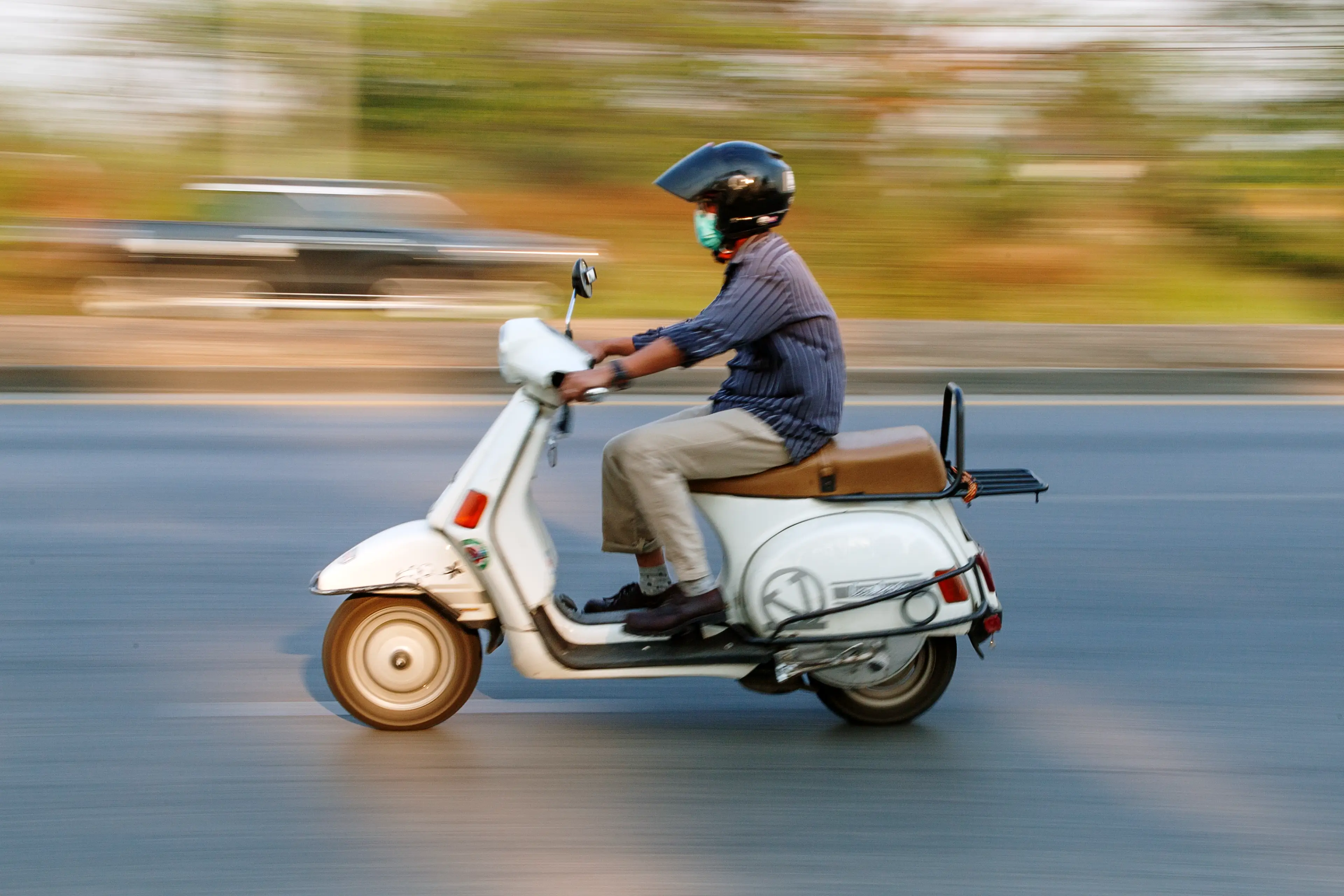
Motorbikes are everywhere here, and I’ve fallen for mine. Most are used daily, not fast or flashy, but incredibly cheap to operate. Rainy season can be a bit tough, but you’ll dry off. Are they dangerous? Yes. Always wear a helmet. The right of way seems tied to size and vehicle cost. Motos, though the smallest and cheapest, can be surprisingly practical. I’ve loaded mine with a full-size door, trees, and even a concrete mixing tub—though most of the time, it's packed with groceries and sometimes all three kids and my wife.
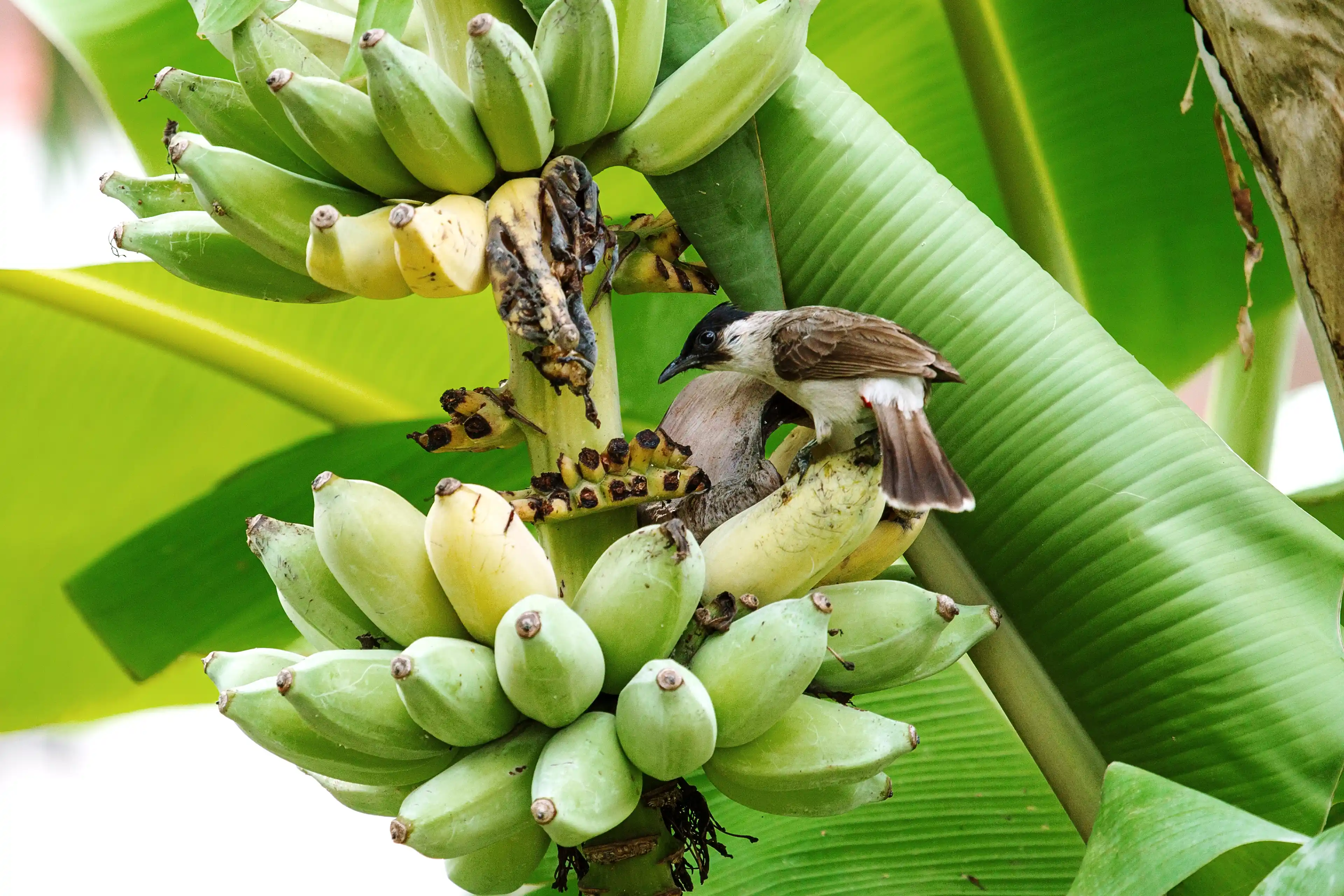
Love bananas? We do. That’s our banana tree. Know who else loves bananas? A bird called the red-vented bulbul. As bananas begin to reach peak sweetness, these little guys tend to show up and take their pick. If you prefer your bananas without beak holes, it’s best to cut a hand or two of the yellow ones once the bulbuls start investigating. If you’re buying bananas from the market, you’ll soon learn that there are many to choose from. Though four varieties are most popular, there are 50 varieties in this country.
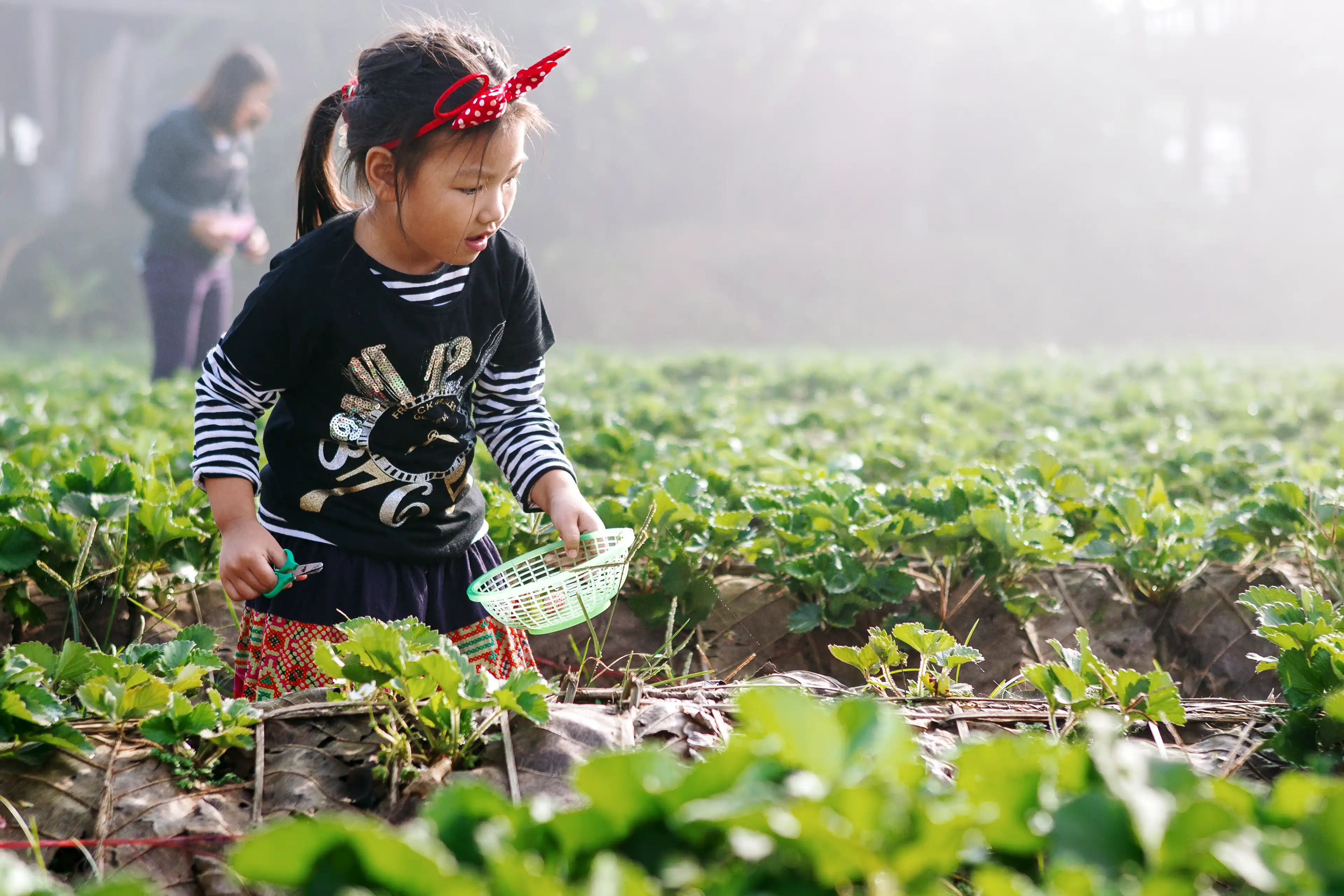
Mangos are amazing. Rambutan are delicious. But sometimes, you just crave a familiar taste. Strawberries have entered the chat. Though smaller than their Western counterparts, local strawberries are still delicious. Their rich history started in 1969 when the king of this nation launched a project to help hill tribe communities develop alternative income sources to opium farming and promote sustainable agriculture. Strawberries were introduced as a cash crop in 1972 and have become a major income source for tribes in the region. Want to pick your own? Head into the mountains in January and February for a relaxing morning of berry picking.
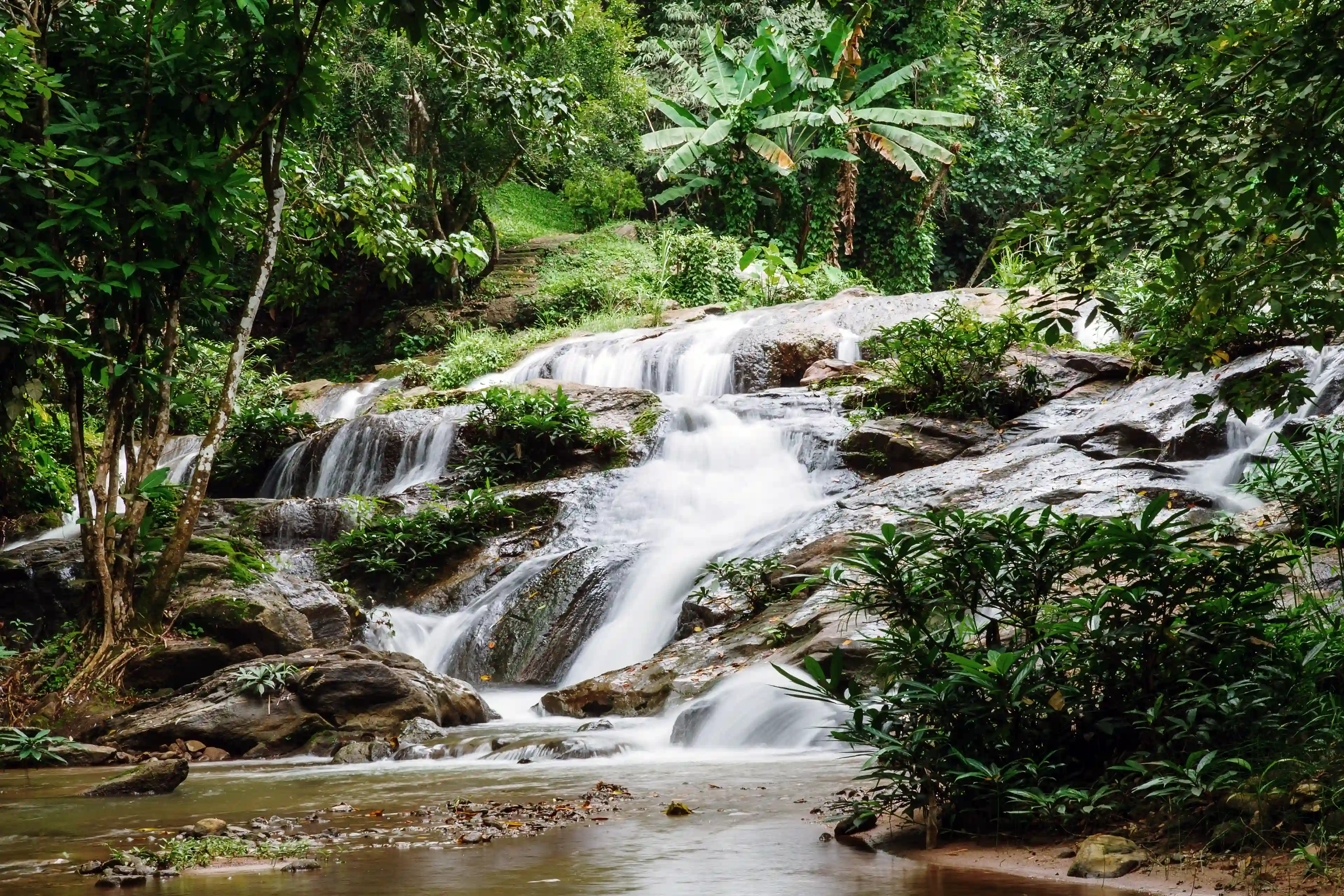
The southern part of this country features some of the world’s best beaches, but if you prefer the jungle, head north. From forest hikes to misty mountains, waterfalls and ancient temples, the northern regions have a lot to offer. Remember that this country experiences three main seasons. The cool season lasts from November to February. The hot season runs from March to May. The rainy season begins in June and continues through October. An unofficial season, called “smoky season,” occurs when farmers burn the chaff in their fields. It’s usually hazy from January to April. Over the years, we’ve found the best outdoor experiences right after the rainy season, as temperatures start to drop and the air clears.

This sign, roughly translated, says: Caution, Elephants! Imagine encountering one in the wild. Although the population has declined significantly, an estimated 3,500 wild elephants roam the country, and many more are in elephant sanctuaries. Elephants are revered as sacred animals and worshiped in some parts of the country. They are seen as symbols of power, wisdom and protection. We’ve seen them walking along the road, loaded in the back of trucks and up close at elephant camps.
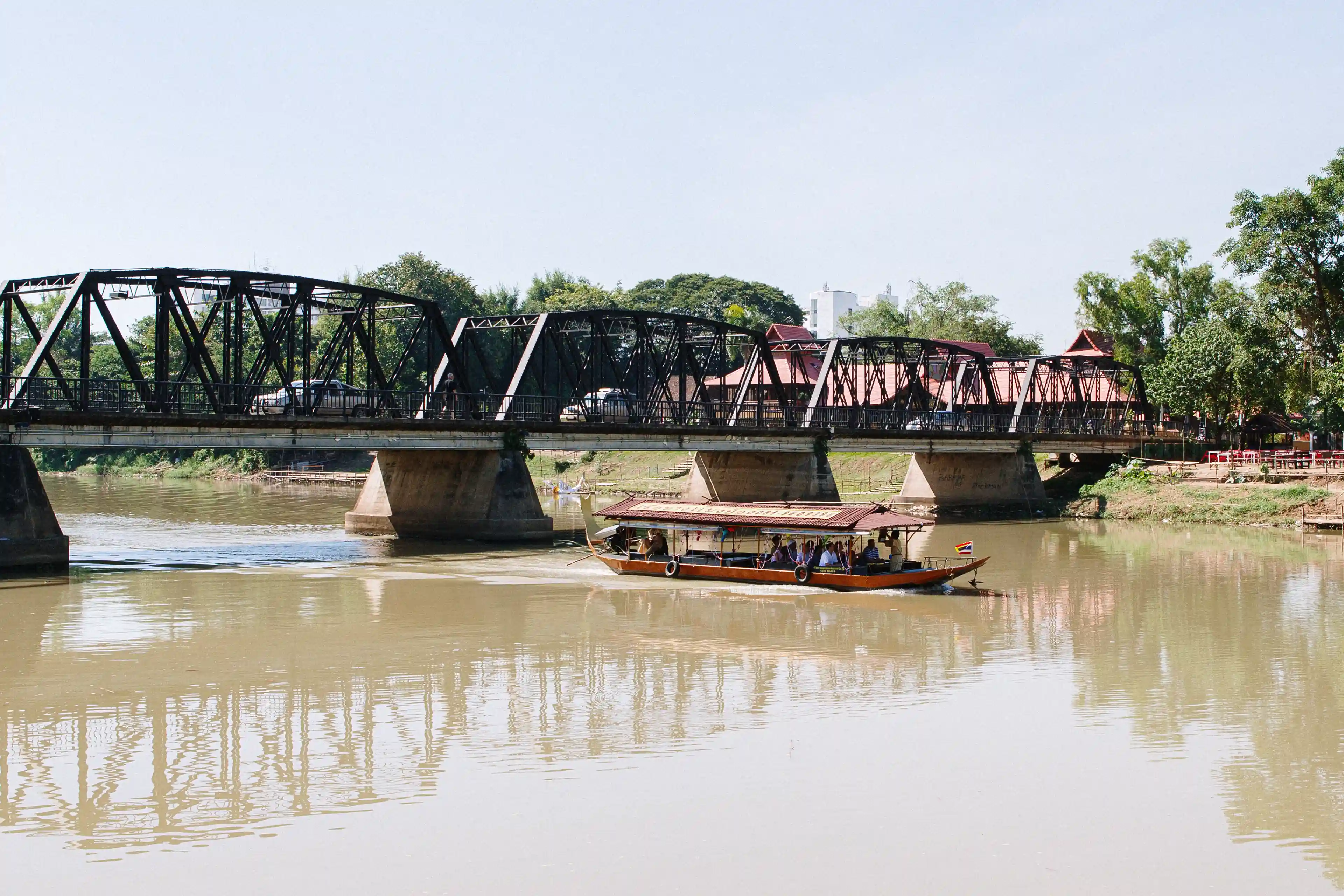
Living near the city, we often crossed this river without much thought. The river flows just a few blocks east of the old city and night market. The old iron bridge looks quite beautiful at night. In fact, it’s the river itself that gave birth to the city, acting as a liquid “silk road” for the region. It brought traders, investors, and even missionaries to the riverbanks here.
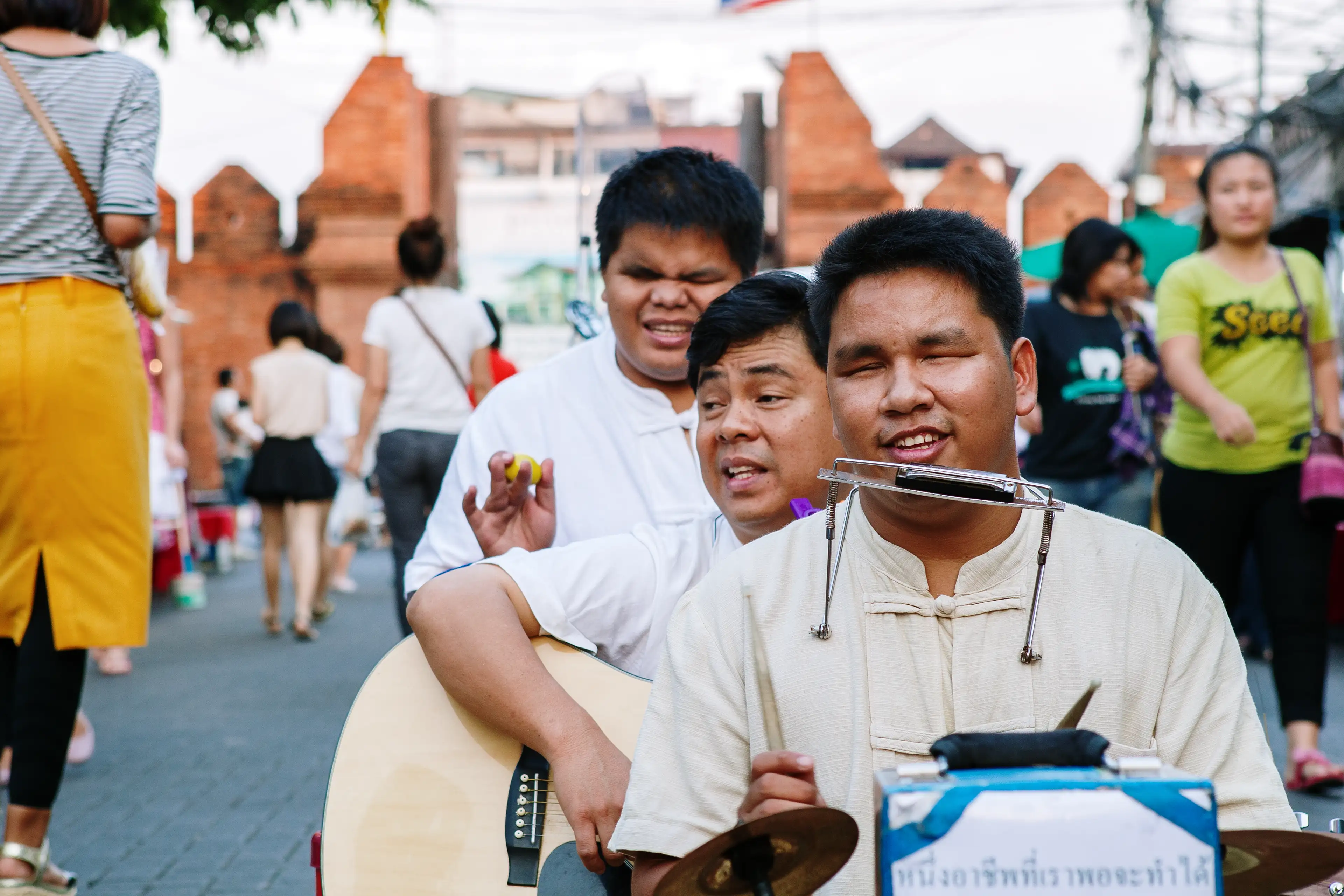
Just inside the old city, surrounded by a moat, is a Sunday night market known as Sunday Walking Street. The road is closed to all but pedestrian traffic. Some might describe it as touristy and crowded, while others find it vibrant and fun. We’ve had both experiences, but always enjoyed the street food and browsing the work of local craftspeople. Of note are musicians with various abilities seated along the road with donation boxes. Some are from a local school for the blind. Buddhists believe you earn merit in your current life to help you in the next. Donating money to someone less fortunate than you (like a blind musician) is one way to gain merit.
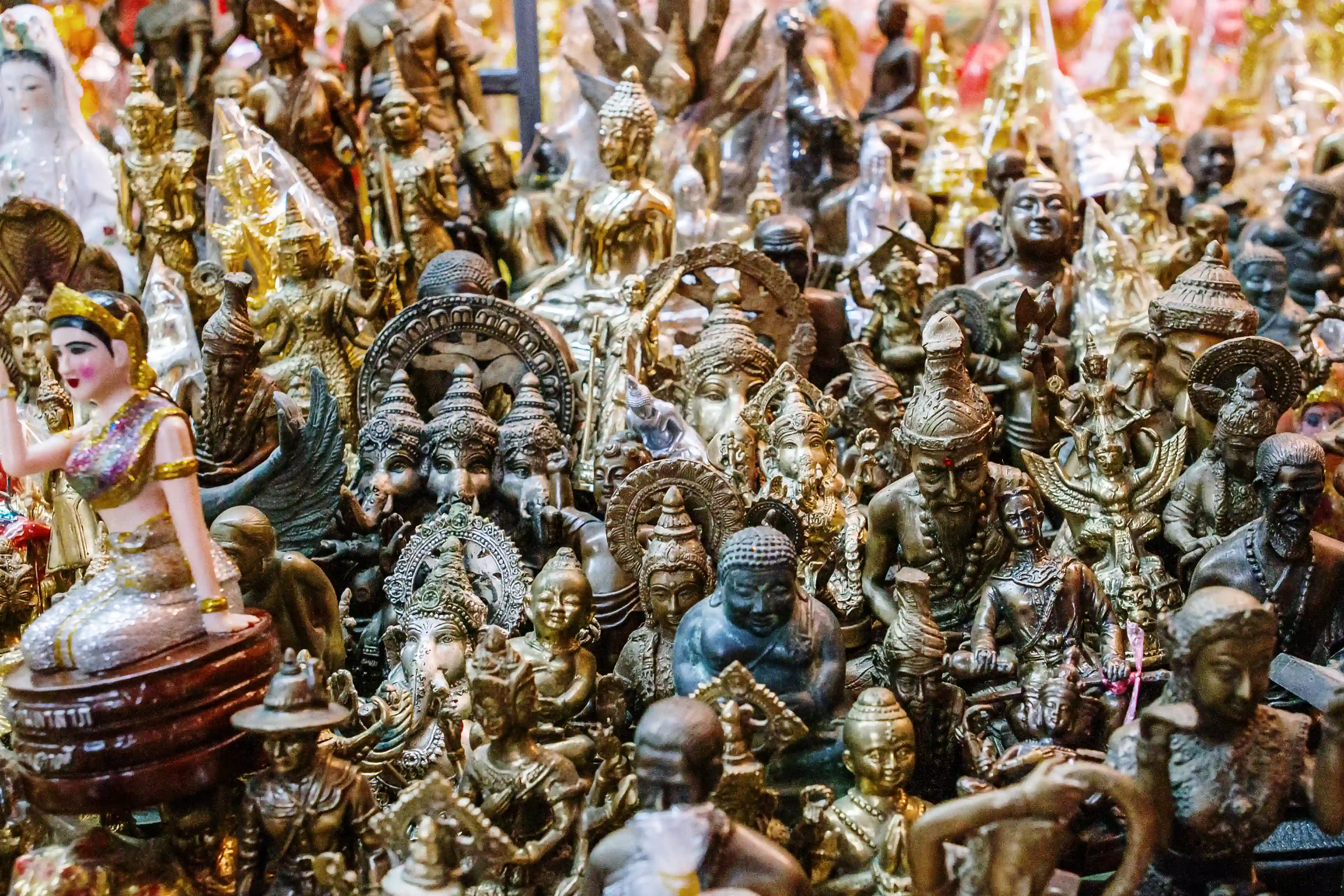
Whether you’re in the city for a day or a decade, you should visit this market. It’s remarkable what you can discover in the busy, winding passages. Pictured are the wares of a cast idol merchant. It struck me how objects created for reverence are gathered together in a capitalist marketplace of the gods. Neighboring belief systems are intertwined and end up on the same shelf.

I don’t have a natural green thumb, but living here has turned me into a bit of a gardener. The diversity here is simply amazing. We truly serve a creative God. The flower of one particular kind of tree kept catching my eye. In Buddhist tradition, the sal tree holds great significance. It’s believed that Buddha was born under a sal tree and also passed away under a pair of sal trees. It is revered for its connection to fertility, abundance and divine blessings, and it symbolizes prosperity and strength. I just found it both incredibly beautiful and unusual.
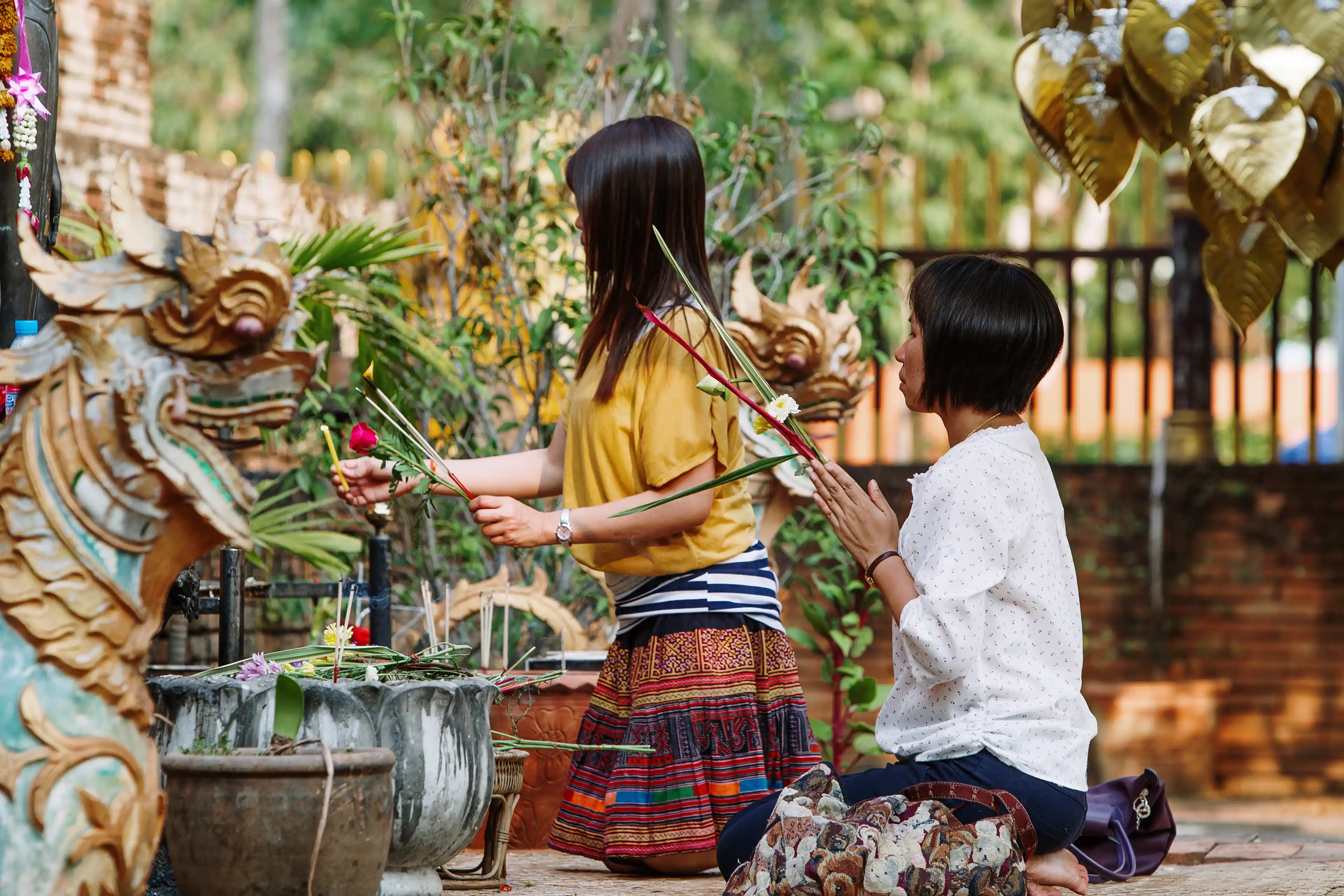
I believe a large percentage of Jesus followers would say they go to church to worship. And from what I’ve learned here, I believe a large percentage of Buddha followers would say they go to the temple to make merit. Making merit involves acts of almsgiving, observing Buddhist precepts and even meditation. It’s a way to accumulate good deeds and karma, aiming for a more favorable future rebirth. It may look like giving food to monks, chanting prayers, lighting candles and burning incense, said to convey prayers and wishes to the spiritual realm. But there is no sense of grace.
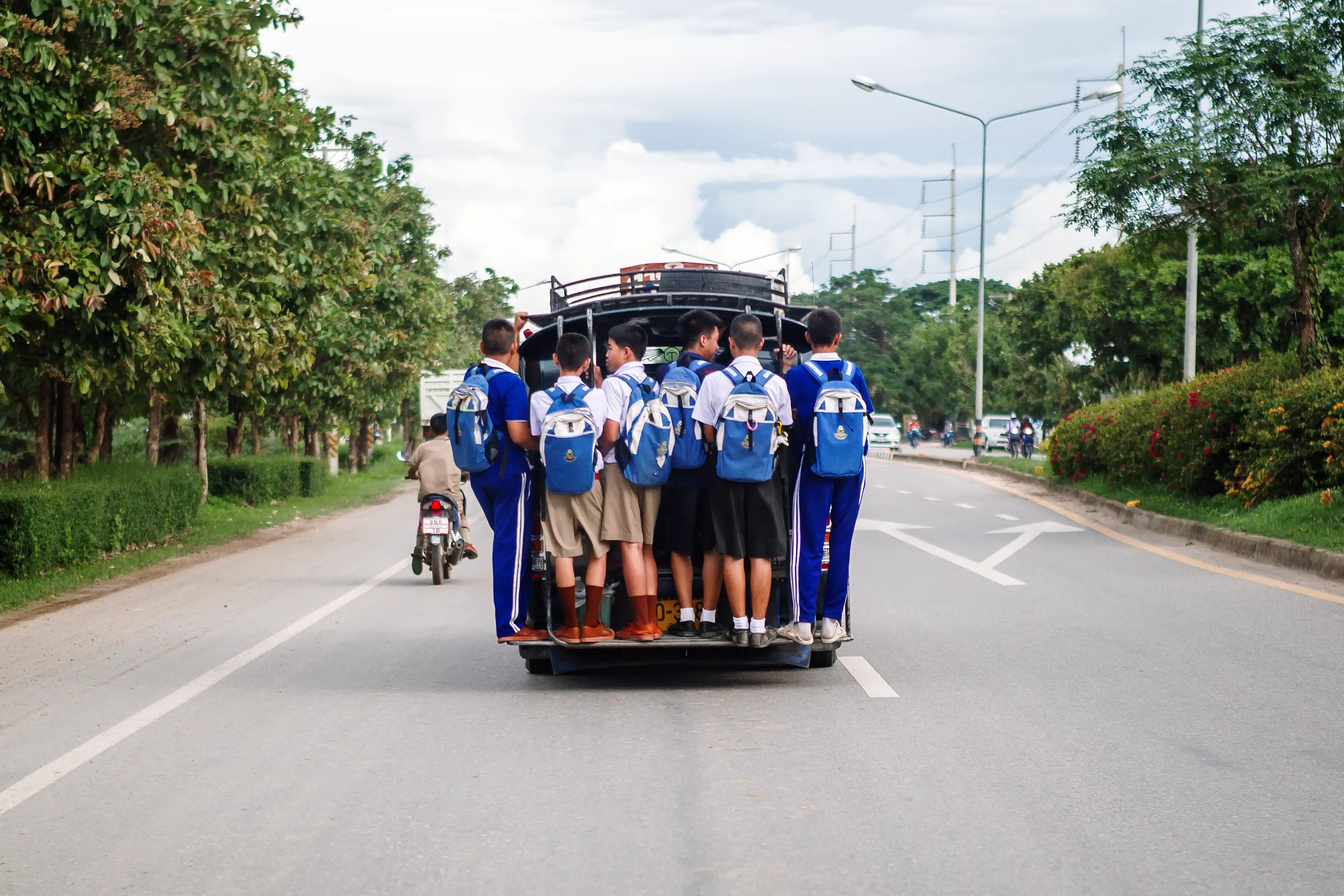
Getting around town is a bit different here. Road safety may not be as high a priority here as it is in your home country. Take this vehicle, for example, a common sight around the city. It’s a modified pickup truck used as a bus or taxi. Passengers sit on benches along the sides or stand on a platform at the back.
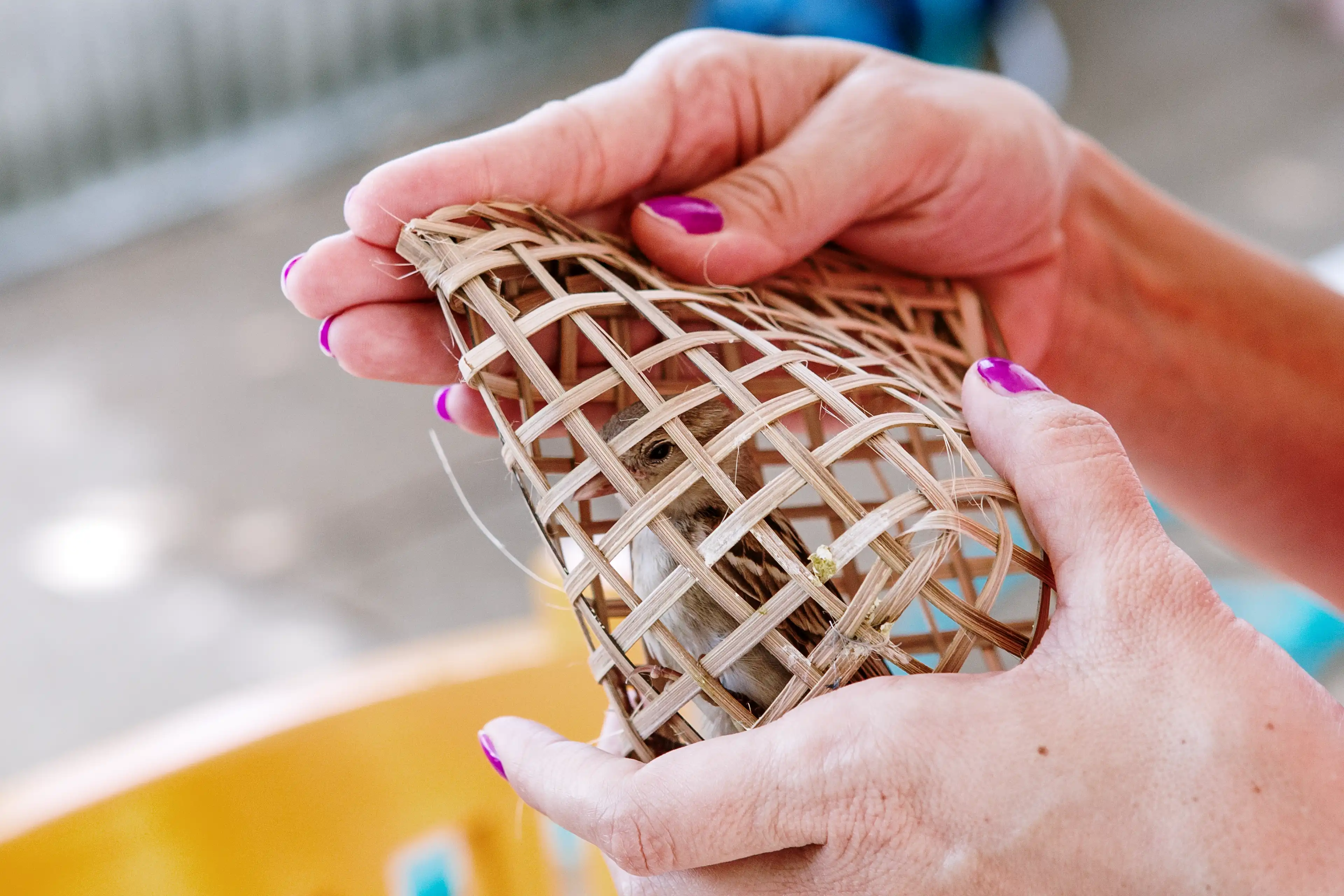
For a Buddhist, making merit is believed to aid in your next life. One way to do this is through the ritual release of animals, freeing them from suffering. In many markets, small birds confined to tightly woven cages can be bought for the purpose of setting them free. Here’s the dilemma: if I buy the bird, am I supporting an operation that causes the birds suffering for profit? Surely, this is bad karma for the bird seller, right? But by trapping the bird and holding it for ransom, aren’t buyers then given a chance to make merit? So that would be good merit for the bird seller… or not? Karmic implications are not always straightforward for our Buddhist friends.
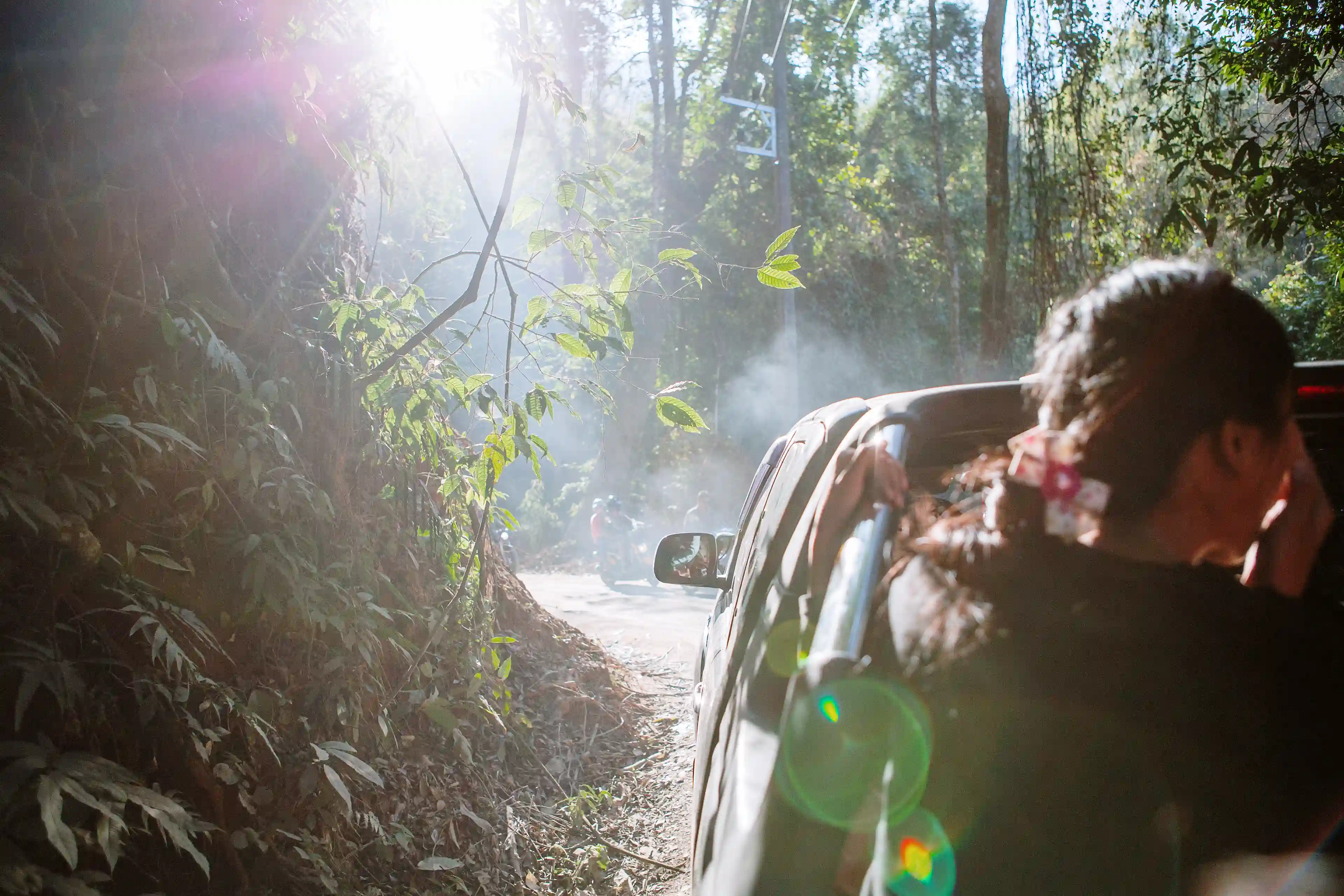
For our family, one of the perks of living here was the convenience of the city with easy access to the wild. Just a short drive could find you heading up a mountain, into a forest or on your way to a waterfall. When off the beaten path, it was wise to take a little extra care on the roads, particularly the curvy ones. The most popular four-wheeled vehicles on the road here are pickup trucks. It was common to see passengers in the back of them.
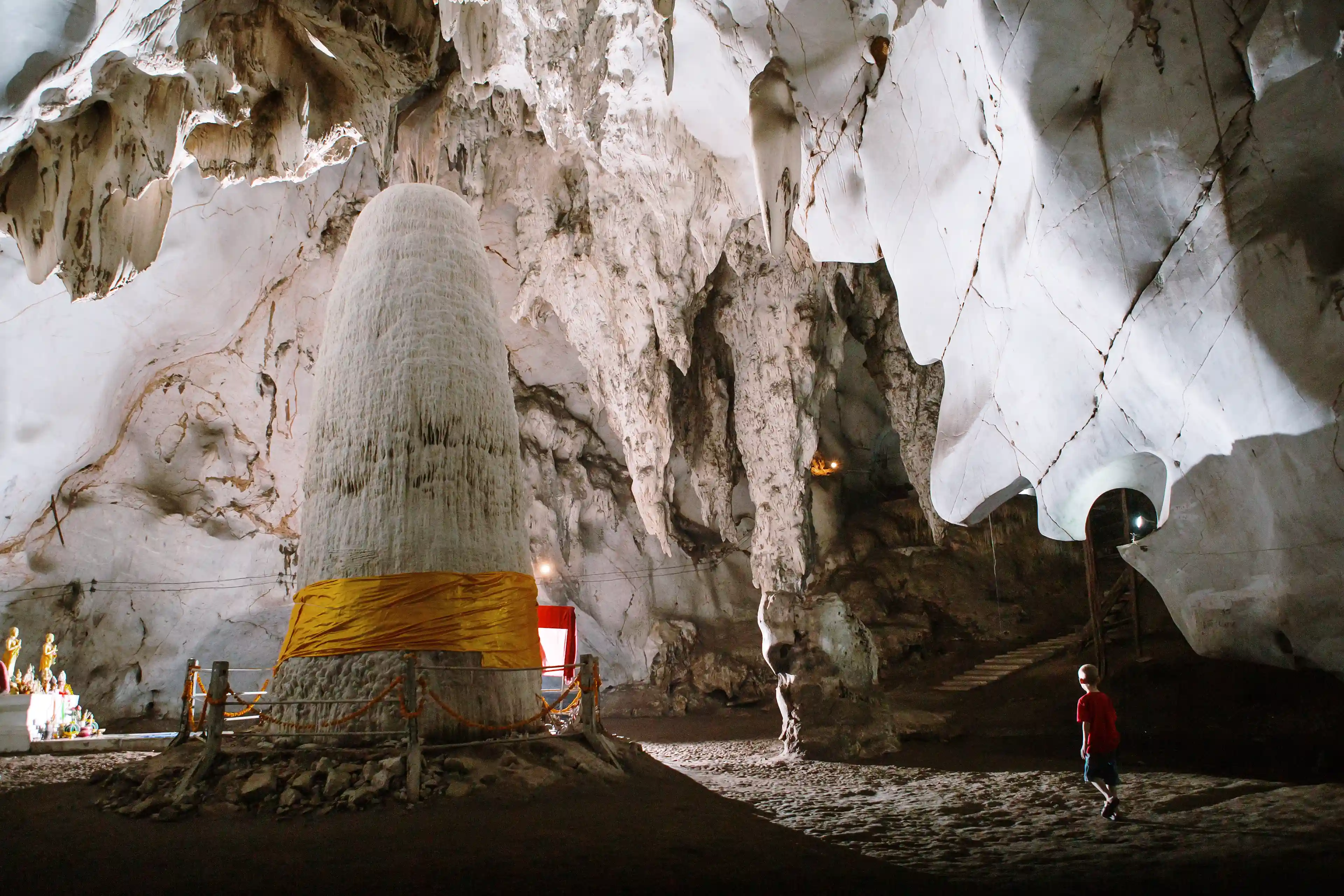
We spent many weekend afternoons exploring local caves. Some of the formations we witnessed are truly incredible. Just look at the size of this one! The gold cloth wrapped around its base is an indication that it’s a sacred feature of the cave. Though predominantly Buddhist, the belief system here incorporates animistic elements: beliefs that inanimate objects and natural phenomena can be inhabited by supernatural power and spirits. We would often see people making offerings to appease the spirits in such places.
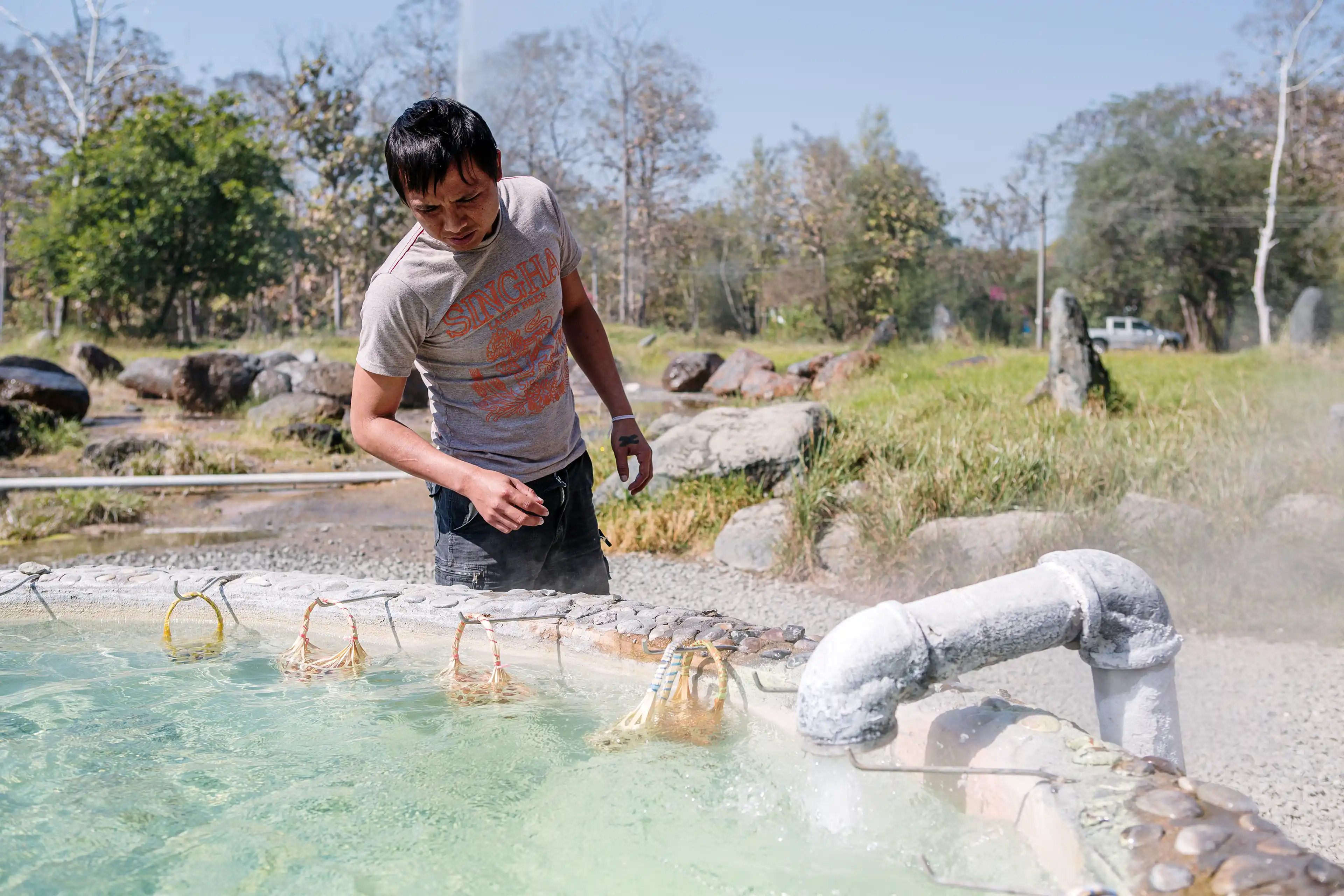
In our experience, many middle-class locals love to travel domestically. A favorite way to spend time with our neighbors was to invite or join them on day-trips around town and beyond. These excursions deepened our relationships, allowed us to practice language and provided natural opportunities to ask questions about faith and culture. Not far from the city are natural hot springs. Two natural geysers there feed several attractions, including mineral bath pools, foot soaking and egg cooking! Take an afternoon, invite your friends and enjoy! Be sure to stop for grilled chicken on the way home.

When praying to a Buddha statue at a temple, many people give a small donation to receive a gold leaf square. The gold leaf is then pressed onto the Buddha statue as a way to make merit. Over time, many Buddha statues, often made of bronze, become covered in shimmering gold leaf from thousands of temple visitors.

Experiencing a sky full of paper lanterns was magical. During one festival, the lanterns can be picked up from many roadside stands that pop up for the occasion. Made of rice paper fitted around a wire frame, the lanterns have a crisscross in the base to hold a candle, which provides lift and light. The act of releasing the lantern is believed to symbolize letting go of the old year and inviting in the new.

Take the Next Step

Check out our photo essay with scenes from the streets of Bangkok, Thailand.


Wonder how and where God might use you? Have a conversation with one of our dedicated mission mentors. They will listen to you, pray with you and help you discern God’s leading.
Going Deeper
Check out these other related articles