United Tribes: From Countryside to City
According to oral tradition, a fierce warrior united the region’s many tribes in the eighth century. Journey with us from the countryside to the city to see how they live today.
This box is used to determine what content is shared through the social share feature. This will not be visible when published to the live site.
Twitter Share Info:
pioneersusa
Copy to Clipboard link:
Code & Content Empowering Email Share Functionality
Last updated on
Photos and captions courtesy of Commnet, a ministry of Pioneers.
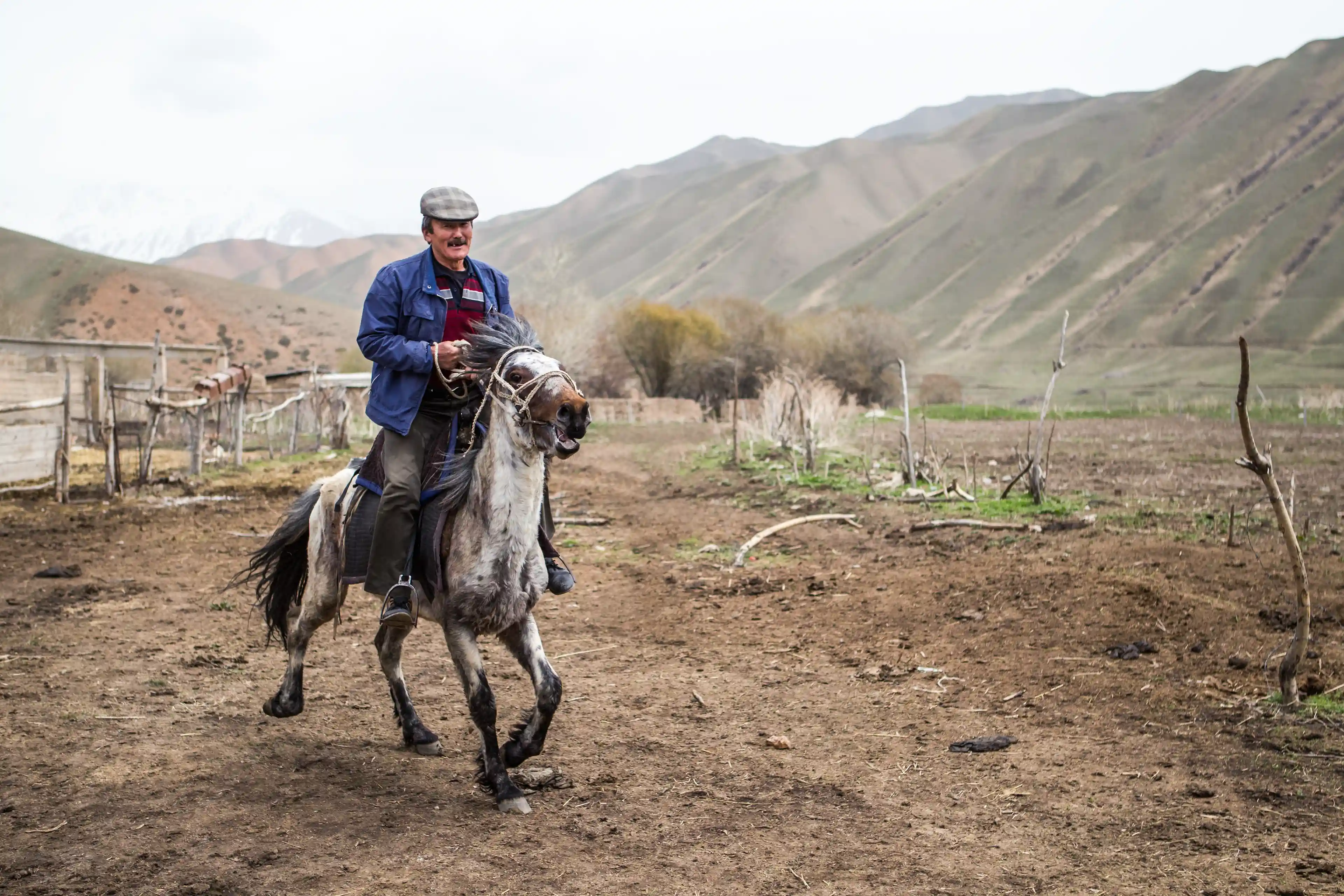
Out here, although the calendar says spring, the wind still bites. Some peaks remain snow-covered year-round, with milder temperatures at lower elevations. With the hills turning green, this gentleman decided it was a perfect day to ride.
Despite their smaller size, horses here are known for their resilience and endurance. Their compact build makes them agile in mountainous terrain.
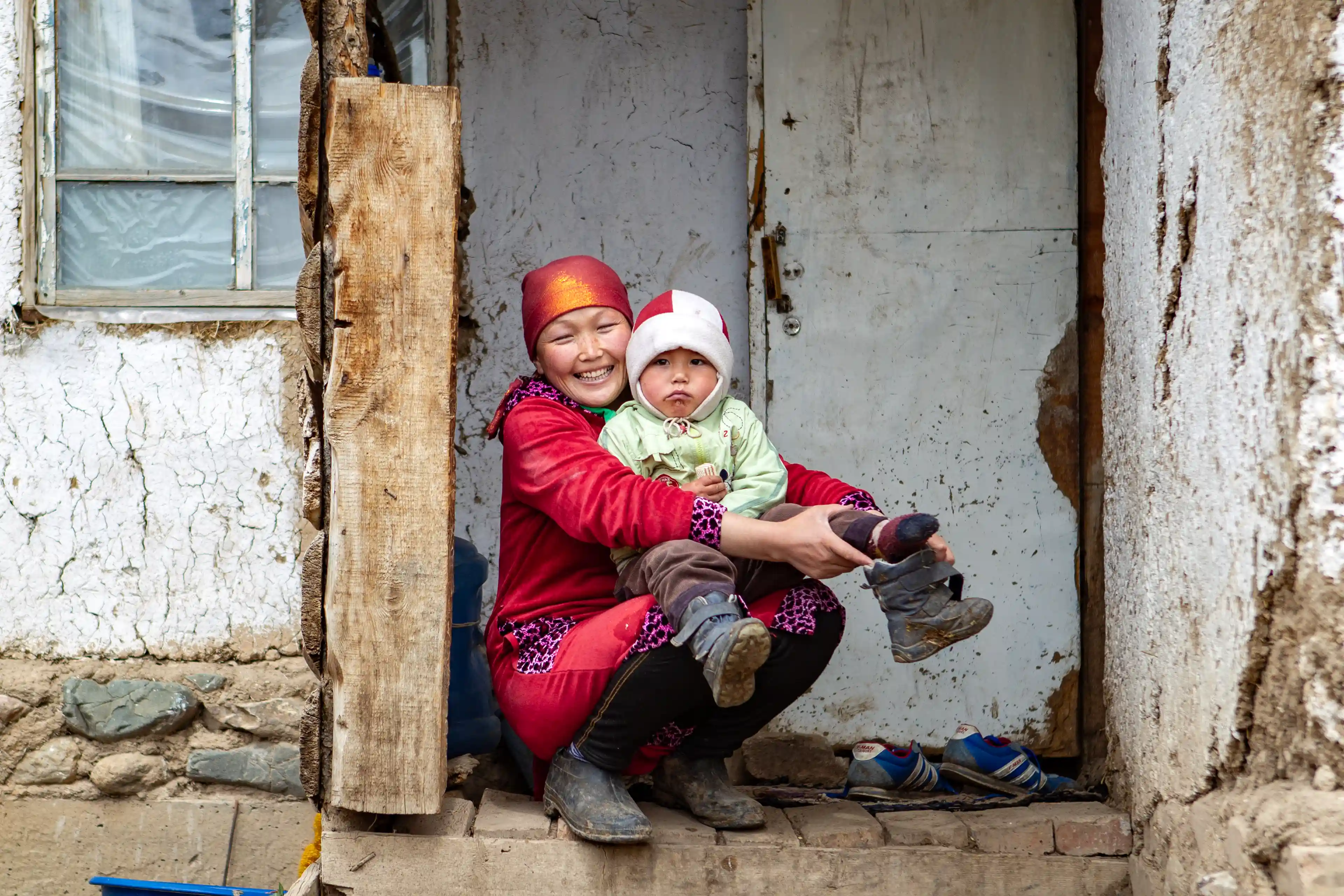
Part of me thinks parents getting their kids ready to go out is something that transcends culture. Here, family is everything. It’s not uncommon for multiple generations to live together or near one another. Grandparents, uncles, aunts and cousins often play an active role in a child’s life.
Just imagine how these dynamics could affect the spread of the gospel.
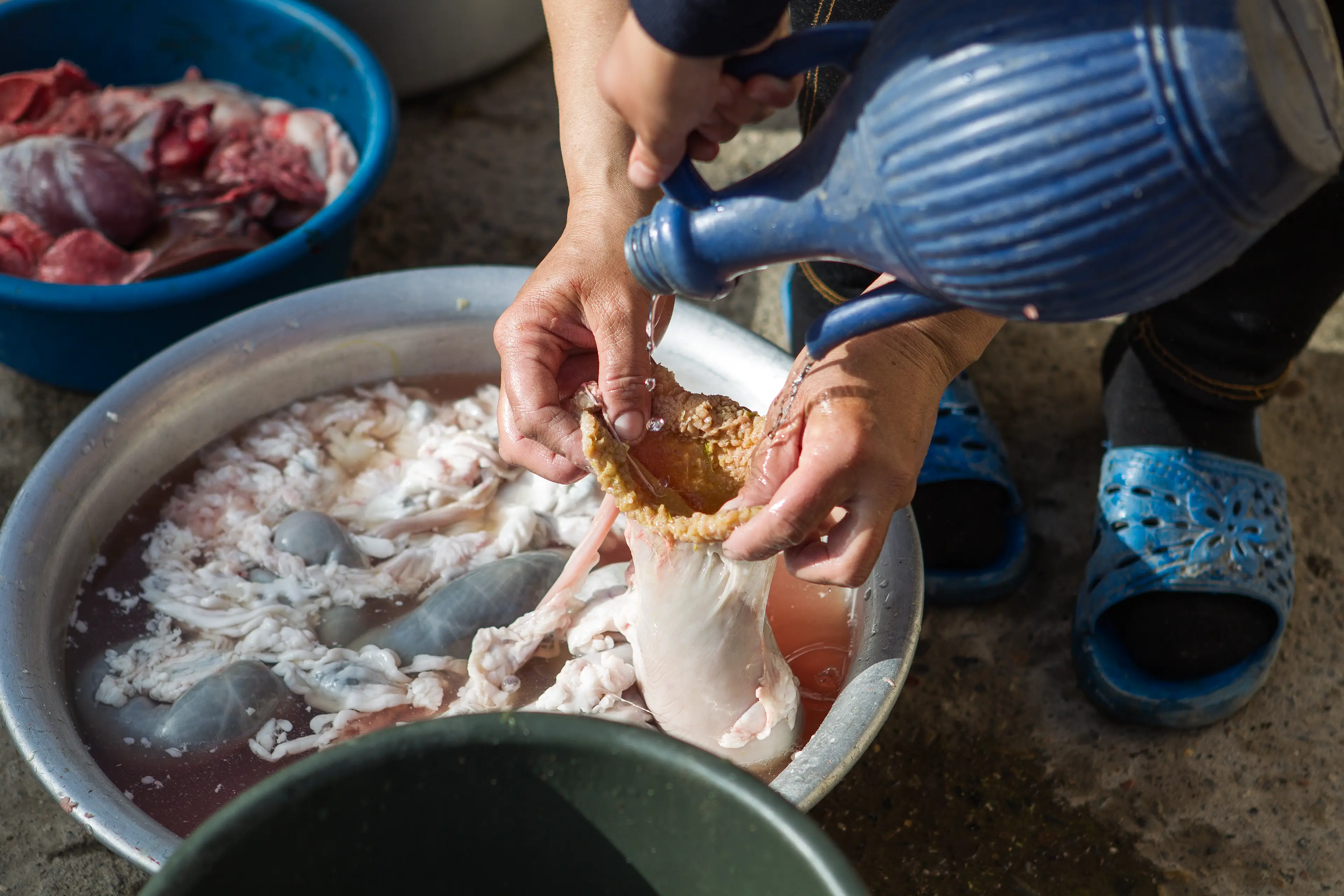
People in this part of the world tend to take a nose-to-tail culinary approach. They consume or use nearly every part of an animal. Would you eat stuffed sheep stomach? Once filled with meat and rice or organ mixtures, it’s boiled for longer than you can imagine.
Having witnessed this particular sheep being slaughtered for my meal, I was on the fence regarding local cuisine. However, my post-dinner glow confirms that the food here is remarkable.
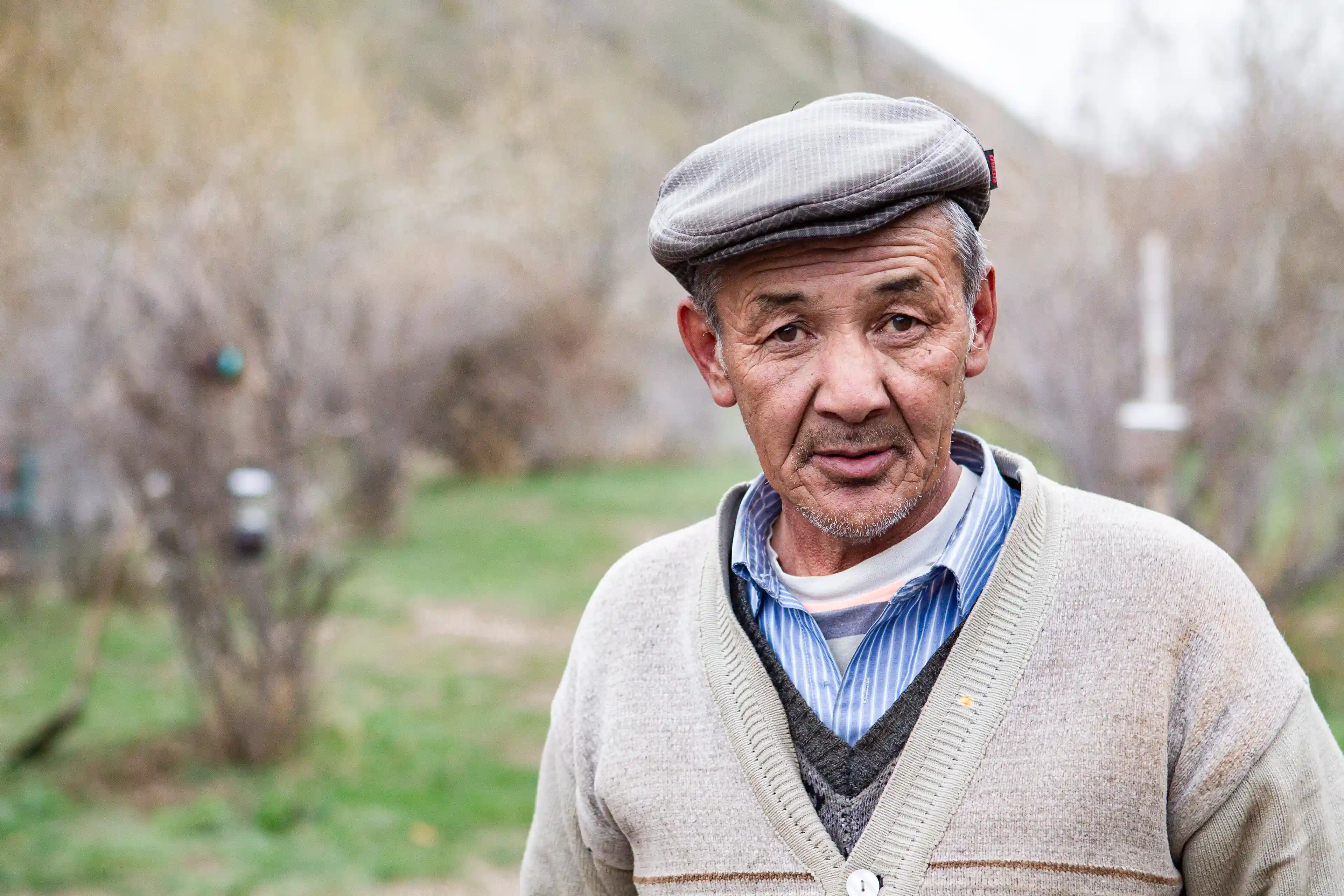
Though my ancestry is from the other side of the globe, this gentleman reminded me of my grandfather. The layered sweaters, weathered face, grey stubble—even the cap!
Though I was a world away from my home, he reminded me that people are people everywhere—working hard, worrying about their loved ones and desperately in need of Good News.
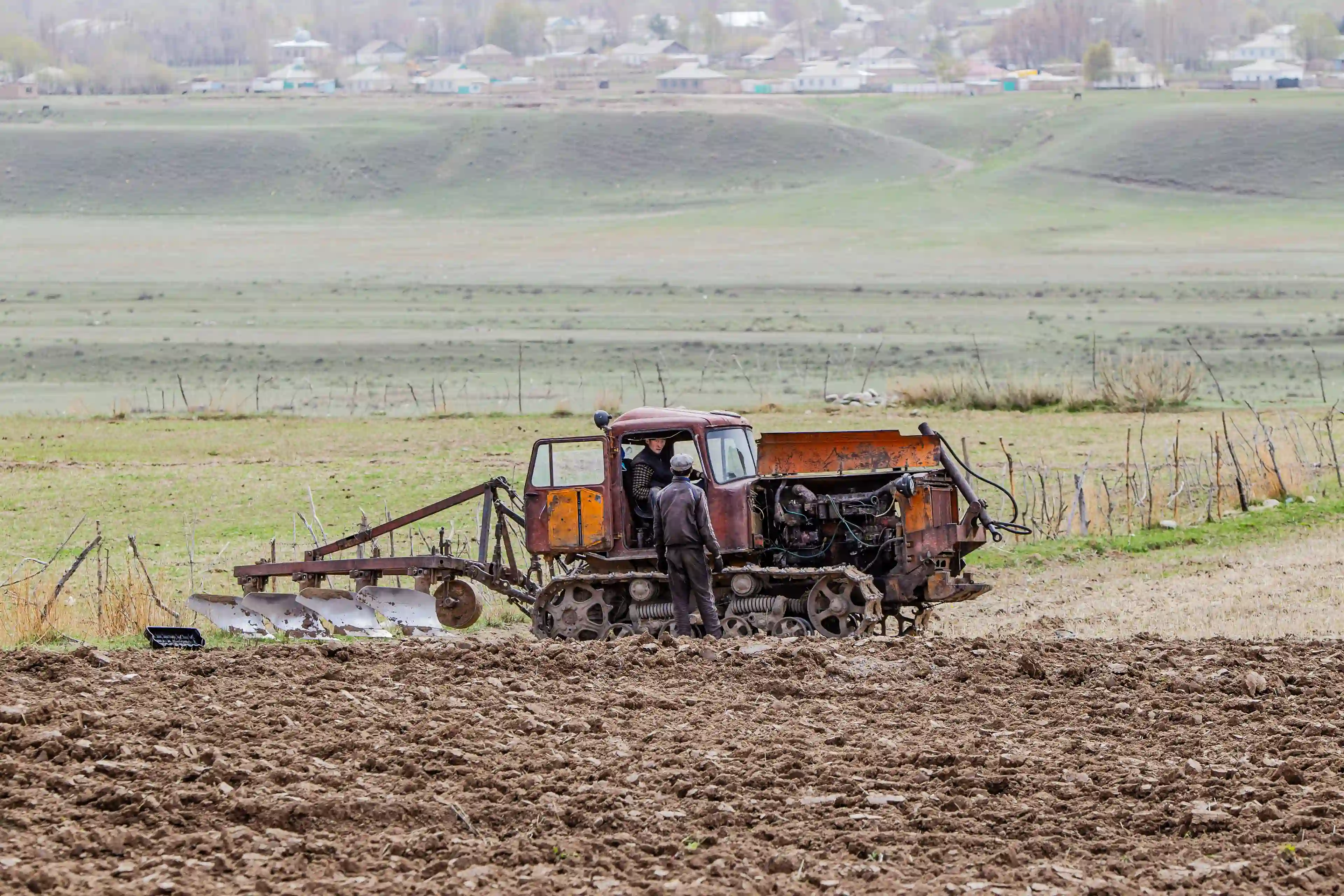
Along a short stretch of freshly tilled field, I came across a piece of machinery I struggled to understand. It looked like it had the cab of a pickup truck, tracks similar to a bulldozer and an old-school engine compartment that opened from the sides. Behold the DT-75. Turns out I’d spotted a Soviet-era agricultural tractor, one of several versions that have become nearly iconic for their durability and versatility.
After solving that mystery, I’m now thinking about farming as a viable platform for holistic ministry in this part of the world. What about you?
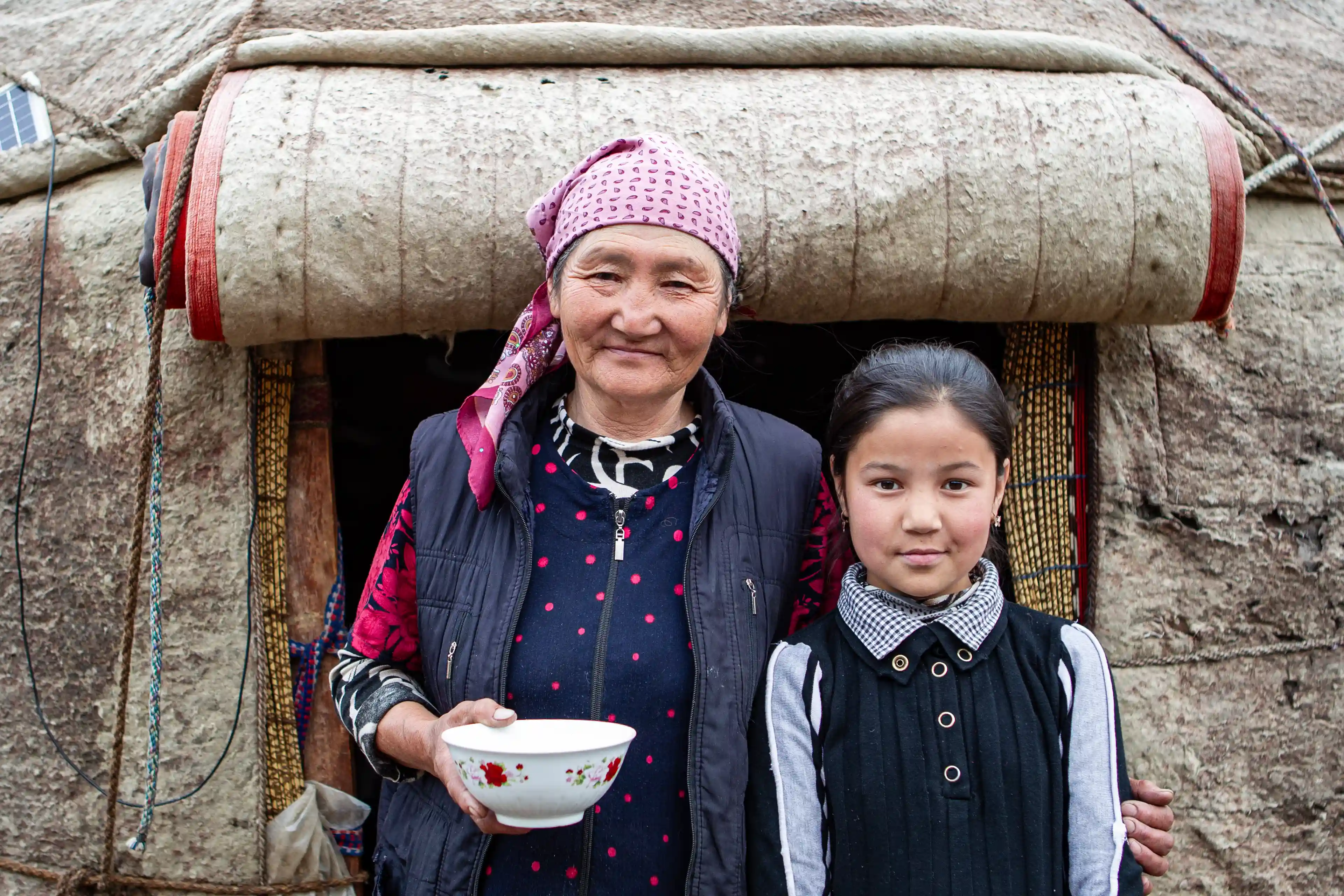
There is something rich and wonderful about experiencing local life firsthand. I was greeted outside a yurt with something unexpected—mare’s milk in a bowl. This fermented dairy beverage is made from the milk of a female horse. It has a distinct flavor that people describe as a mix between yogurt and beer.
Seeing the smile on the face of my host made it worth every sip.
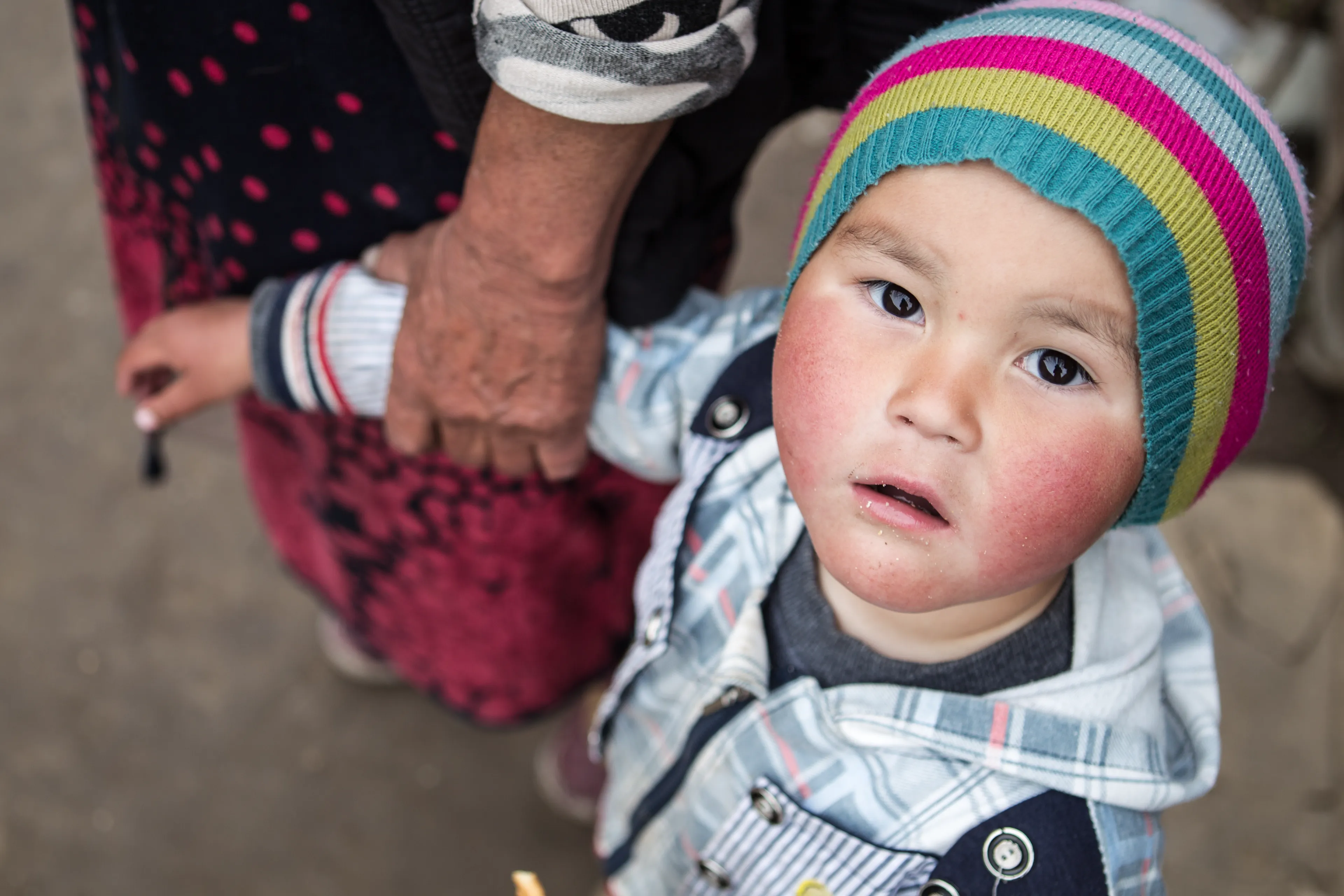
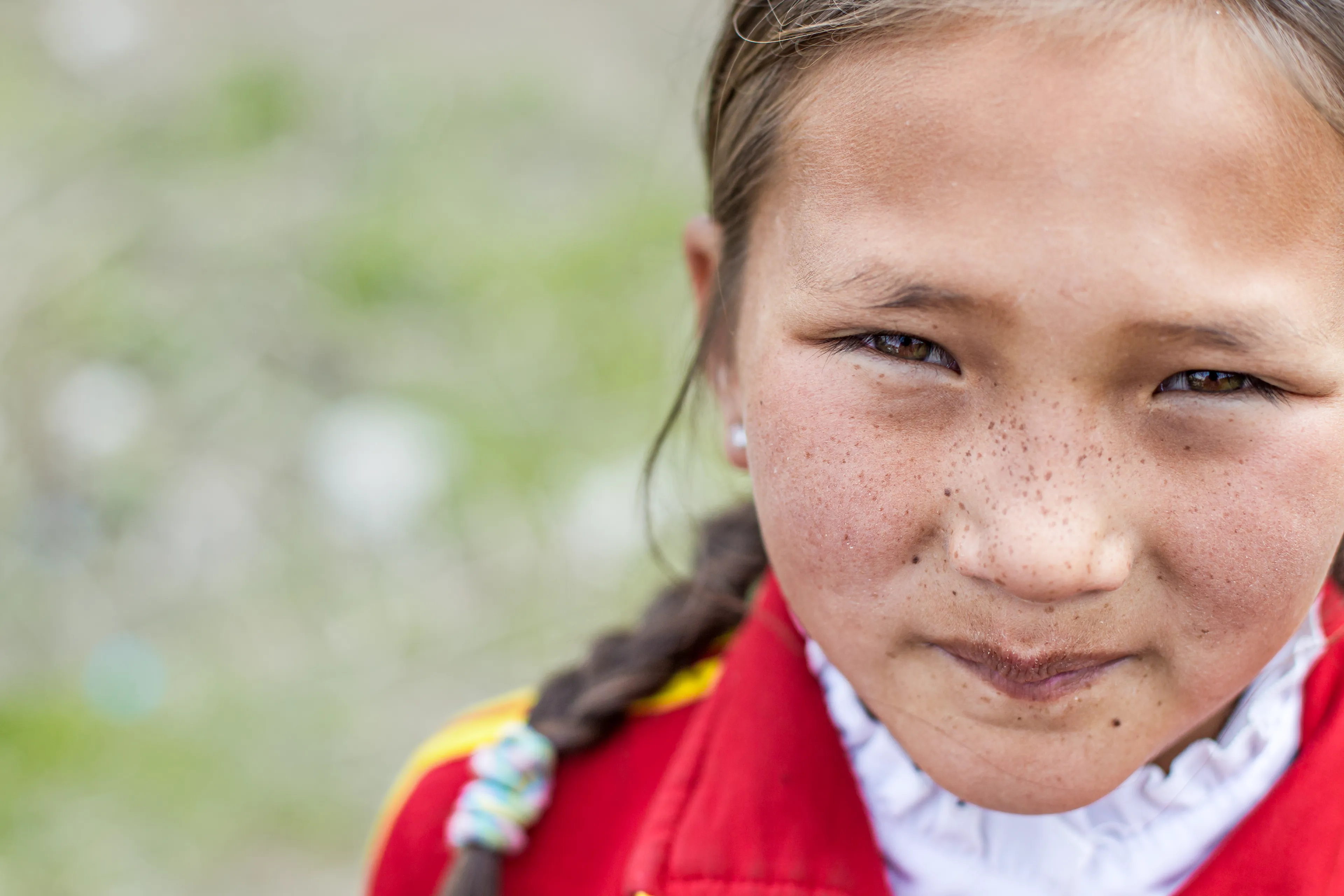
There is a cultural belief here that rosy cheeks signal vitality and good health. If true, this little fellow may very well live to be as old as the grandmother now walking with him.
Close-knit families and extended family support are common and important, particularly in those families where members migrate to surrounding nations for work.
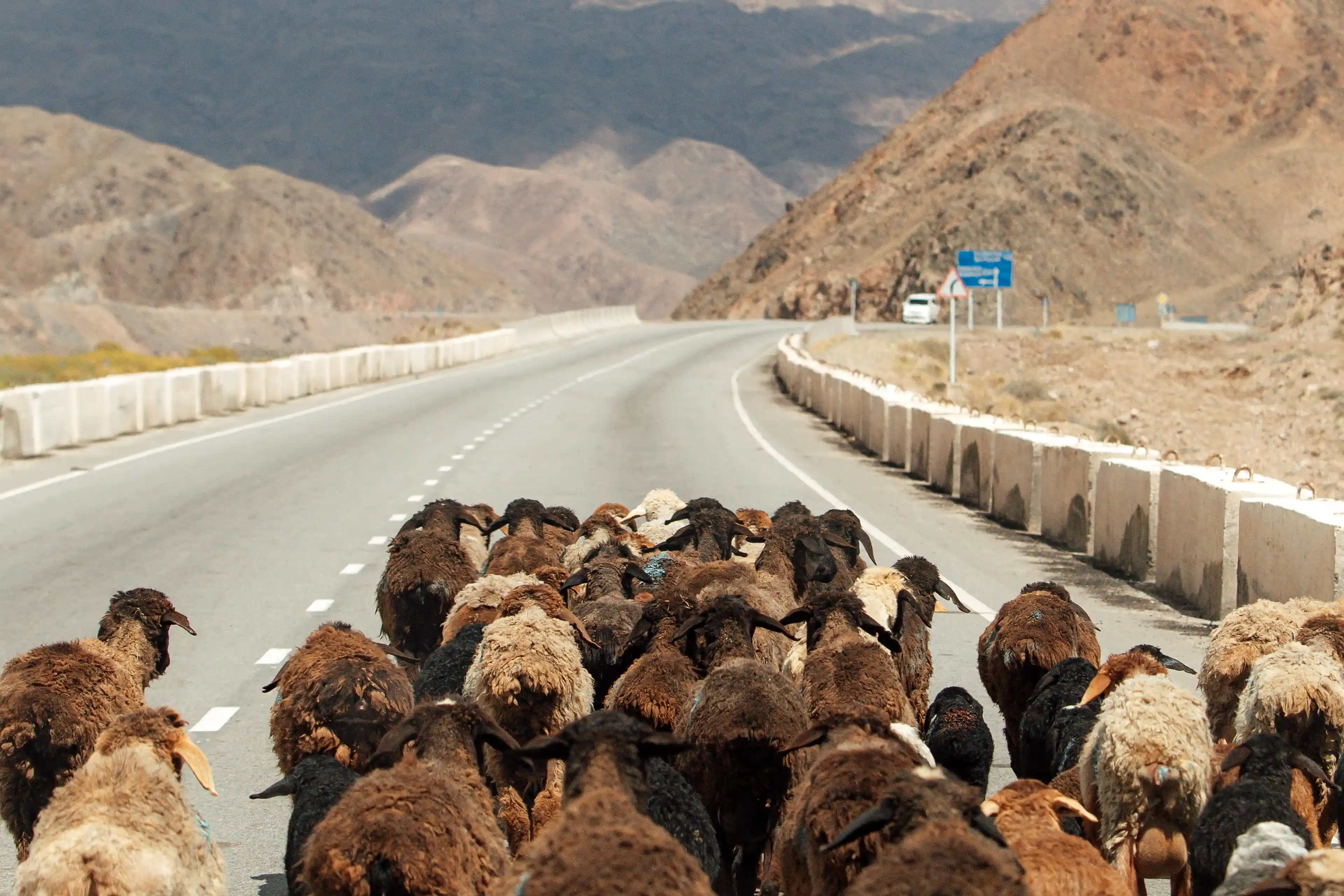
On the road toward the city, we encountered all manner of creatures—horses, goats, woolly cows, at least two yaks and sheep, lots of sheep. Local highways are thoroughfares for local livestock. In the spring, herds get moved between lowland winter pastures and highland summer pastures.
I’m no sheep expert, but I think these may be a hardy breed of fat-tailed sheep raised primarily for meat rather than wool.
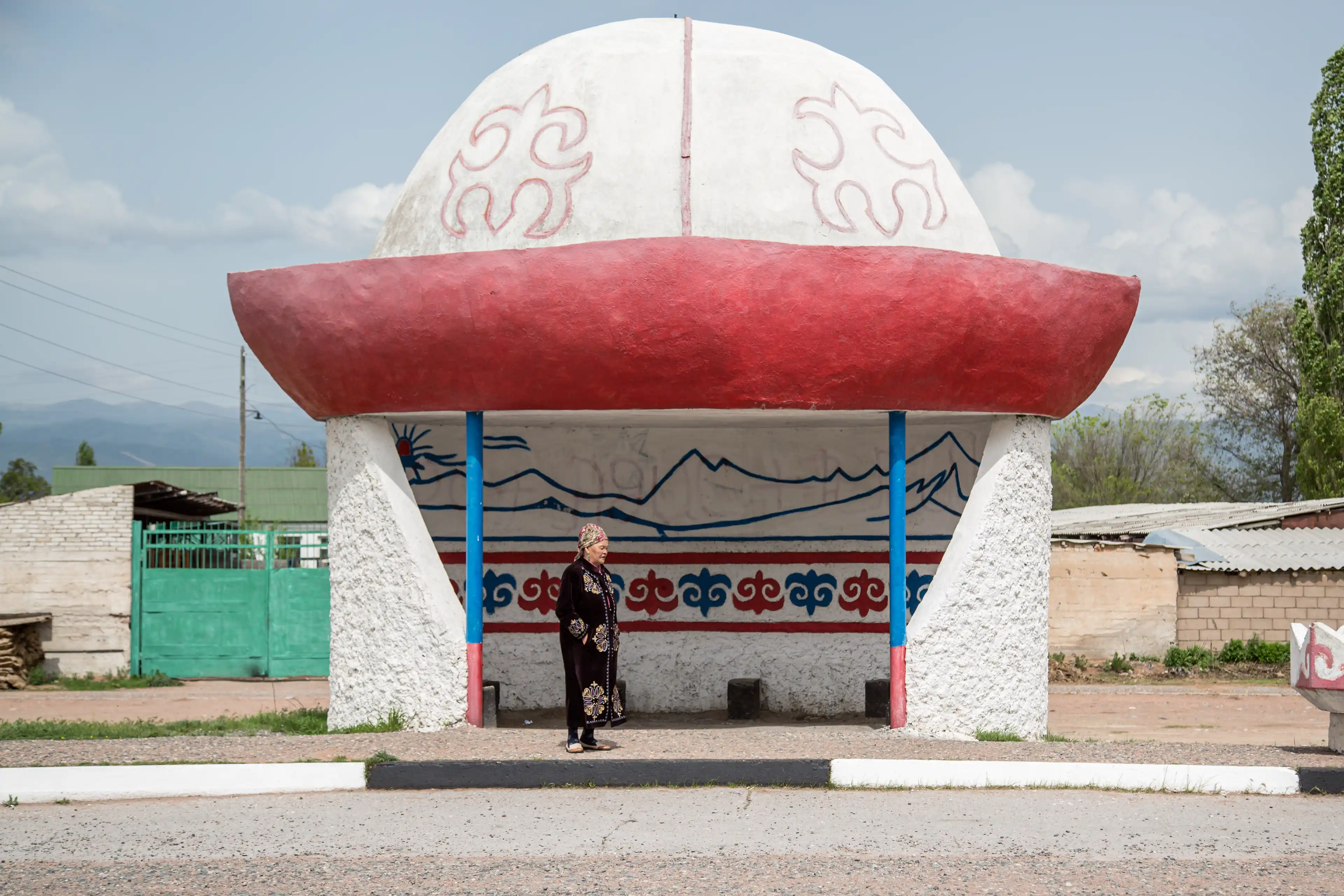
You might say the traditional hats of this region are shaped like their bus stops. But in this case, it’s the other way around. Shelters like these were built during the Soviet era and were celebrated for merging practical shelter with a national cultural symbol.
Similar cultural sensitivity and demonstrations of respect could also help those seeking to spread the gospel see hearts and minds open to the new ideas it brings.
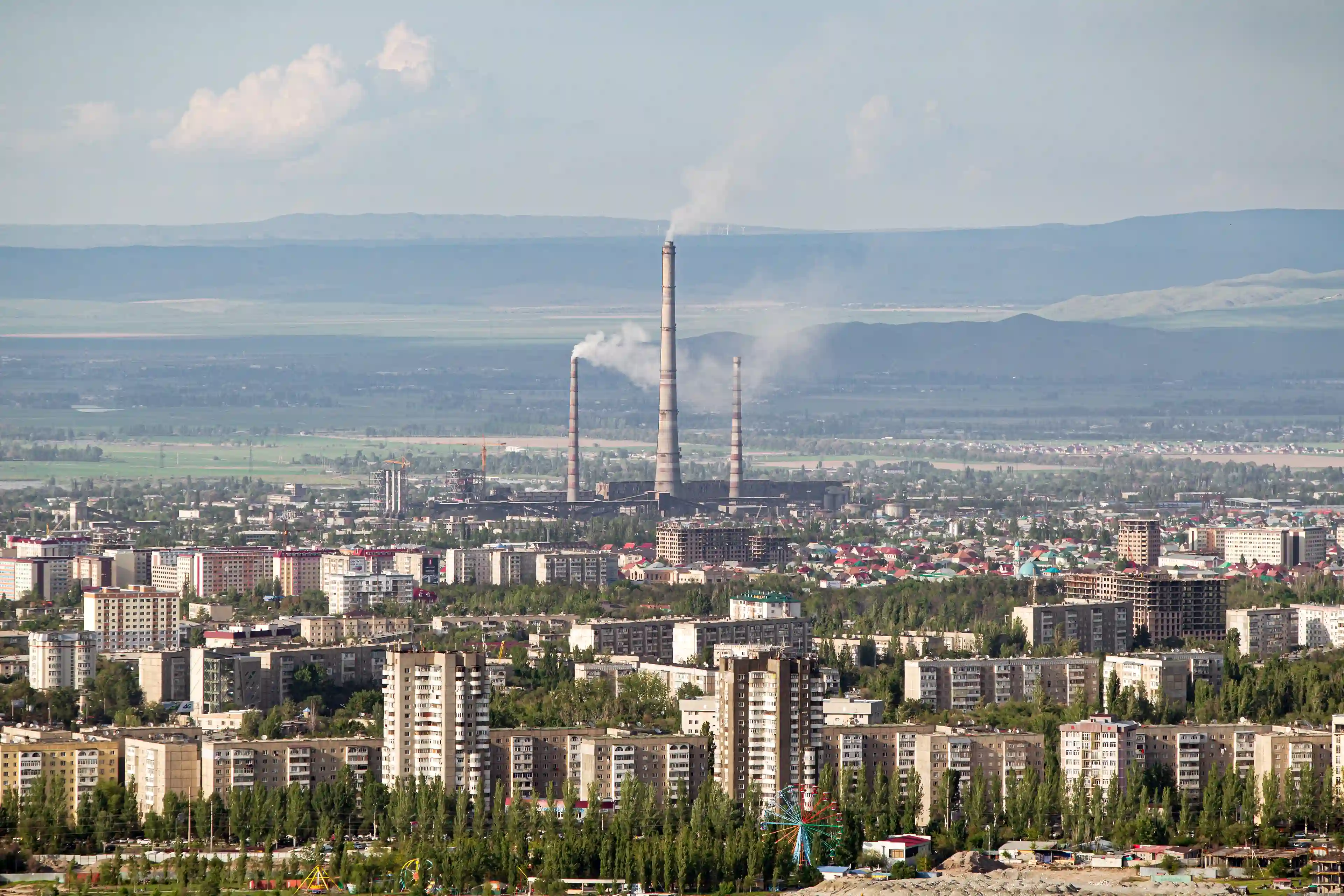
As we approach the city, smokestacks from a regional power station stretch toward the sky.
What came as a surprise to me is that, along with supplying electricity, this plant also pumps hot water to most of the homes and businesses in the region, which use it as a radiant heat source. As I understand it, this strategy reduces the need for individual boilers and is more energy-efficient.
Evidently, it also suits the legacy Soviet-era infrastructure. Soviet-era apartment blocks make up much of the urban housing.
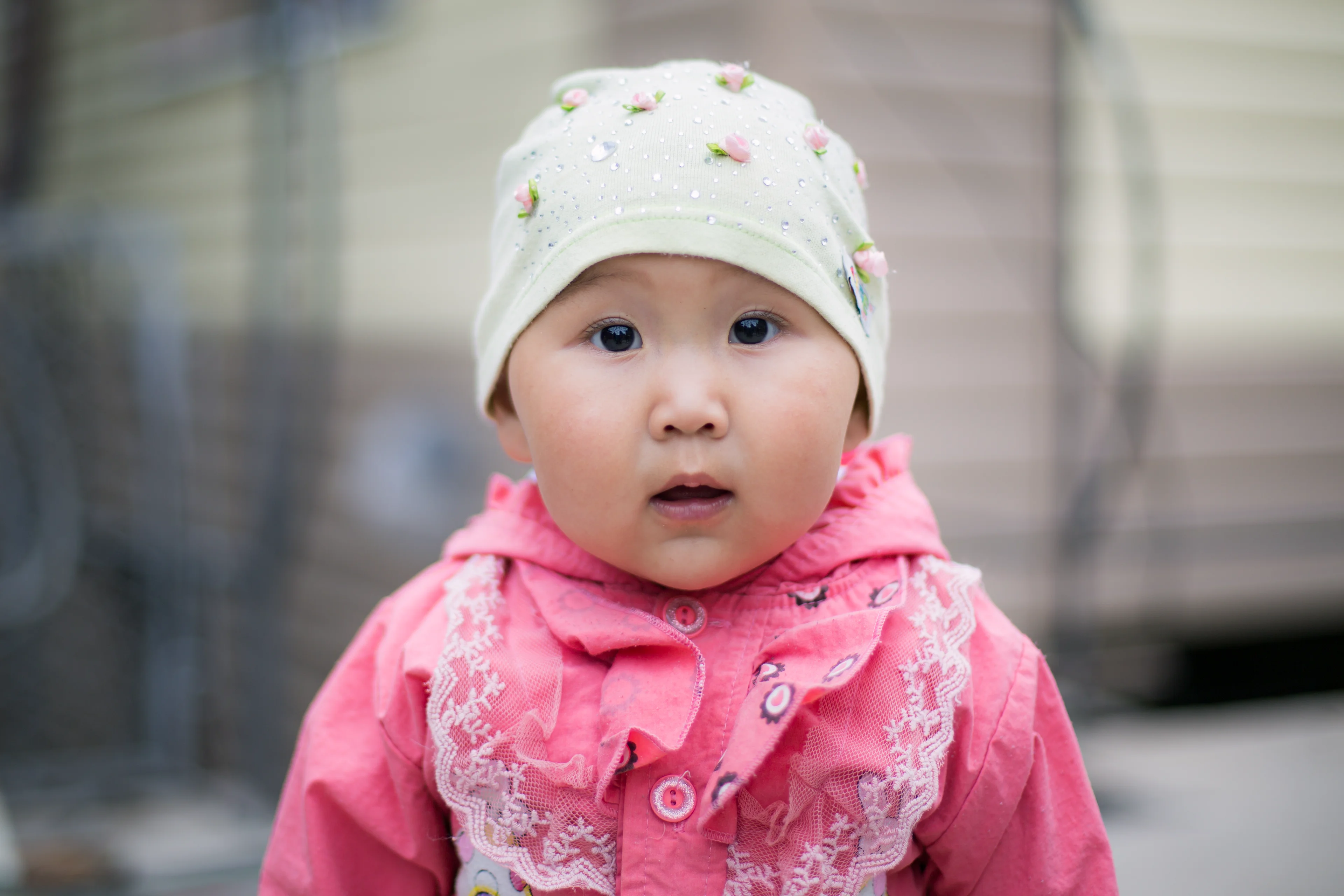
I’ve learned that consecutive waves of Islamization have taken place in this nation since 751. The present wave is one of the most intense. Since this country gained independence from the USSR in 1990, 3,000 new mosques have been built. Alongside this Islamization are spiritual strongholds of shamanism, animism and ancestor worship. Less than .09% of the population follows Jesus.
This little girl will likely live and die having never met a believer.
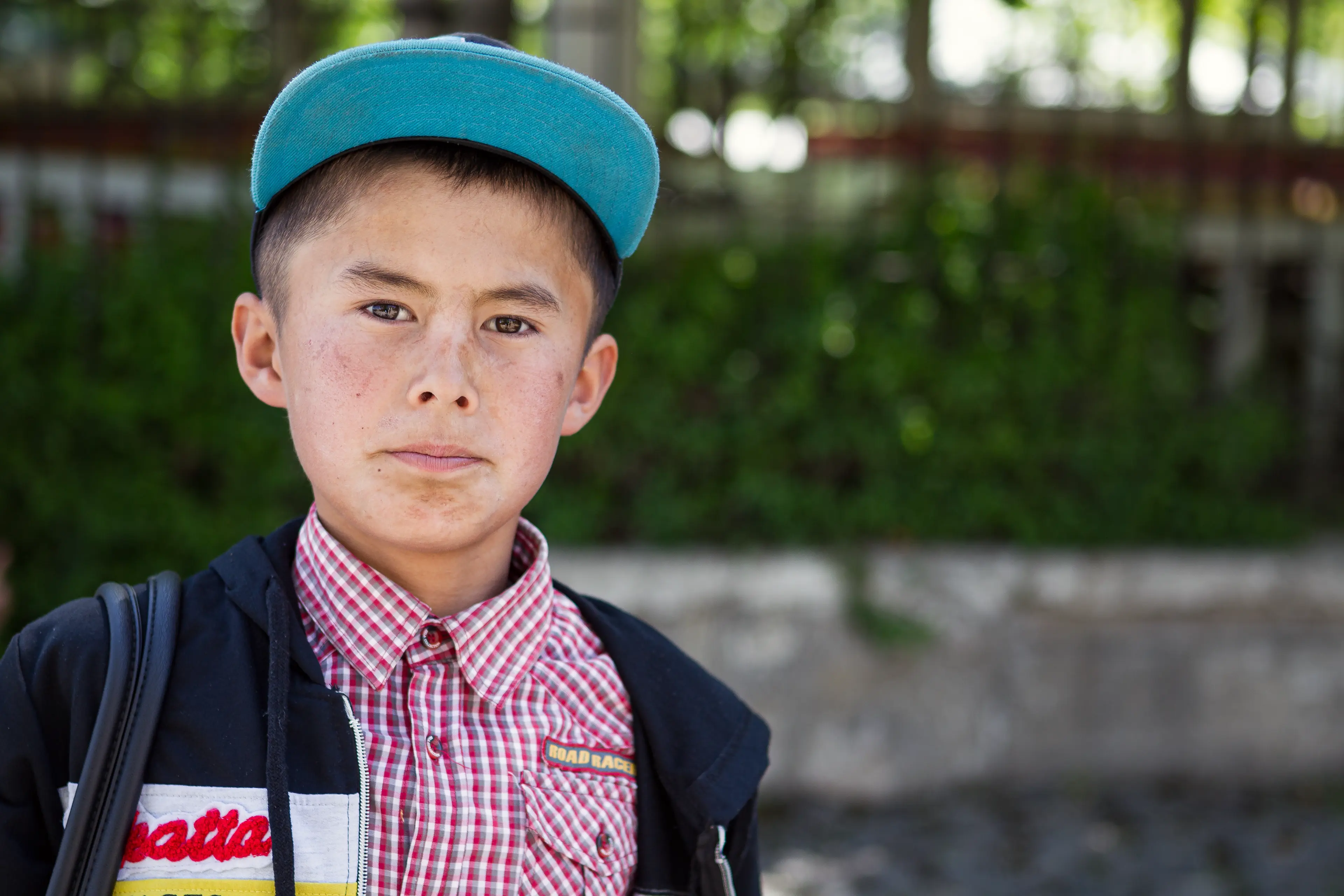
Like most places around the world, youth here are active, frequent consumers of social media. They significantly outpace older generations. Instagram, Facebook and WhatsApp top the charts in most usage categories.
Do you think this has any bearing on how this boy could be reached with the gospel?
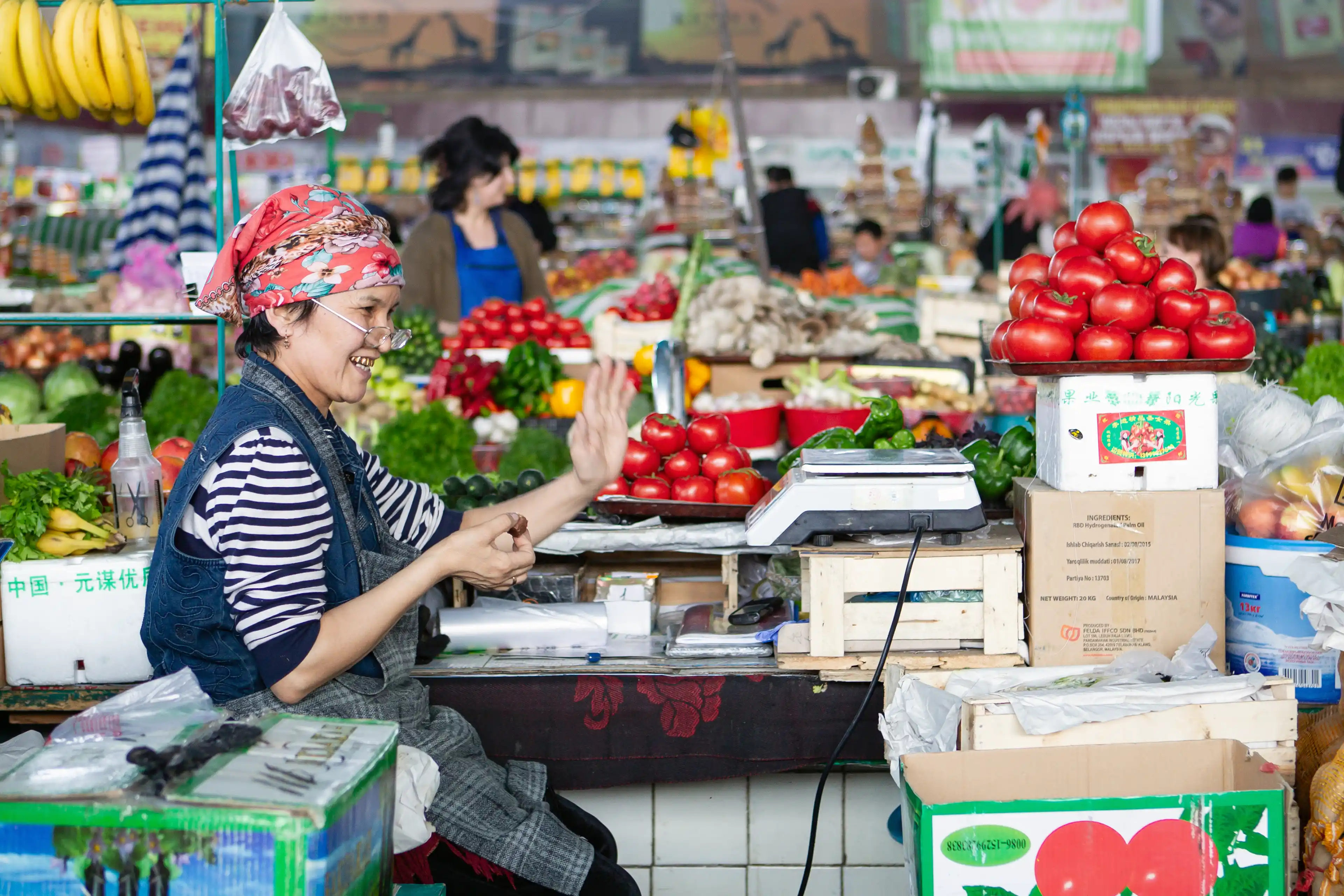
Though supermarkets are becoming more common in urban areas, traditional bazaars and farmers markets remain dominant shopping venues, especially for fresh produce and local goods.
It seems to me that this kind of shopping greatly benefits language learning and even relationship-making. I’d be inclined to keep going back to the same shop or stall, and, Lord willing, shine a little light in the life of the shopkeeper.
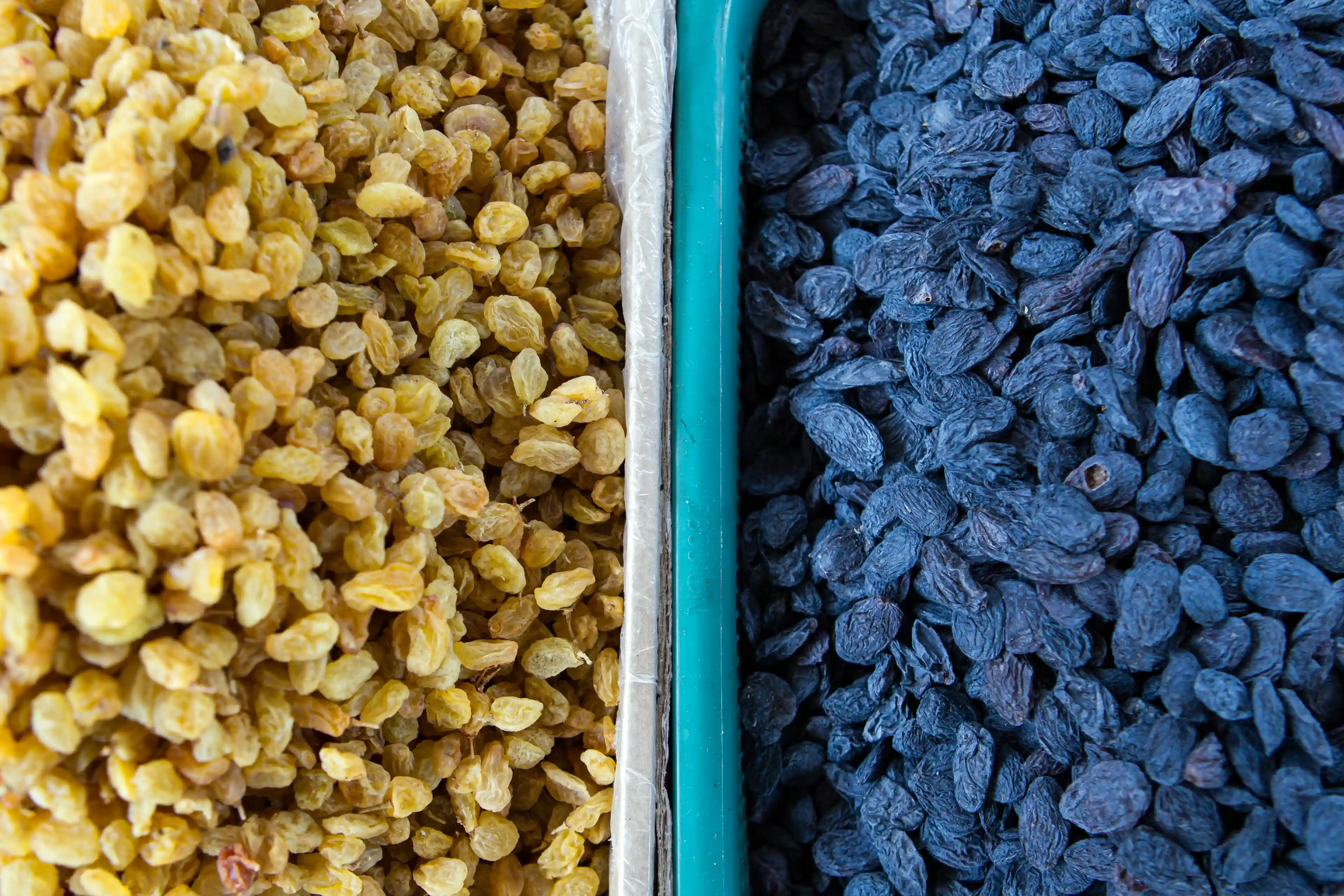
Raisins grown in the region are a huge seller at fruit stalls and bazaars across the country. You’ll find them in both sweet and savory dishes from pilaf to muesli, yogurt to confectionery.
I’m told that the blue ones are sun-dried and the gold ones are soaked in lye, treated with sulfur dioxide and flame-dried to preserve their bright color.
I bought the blue ones.
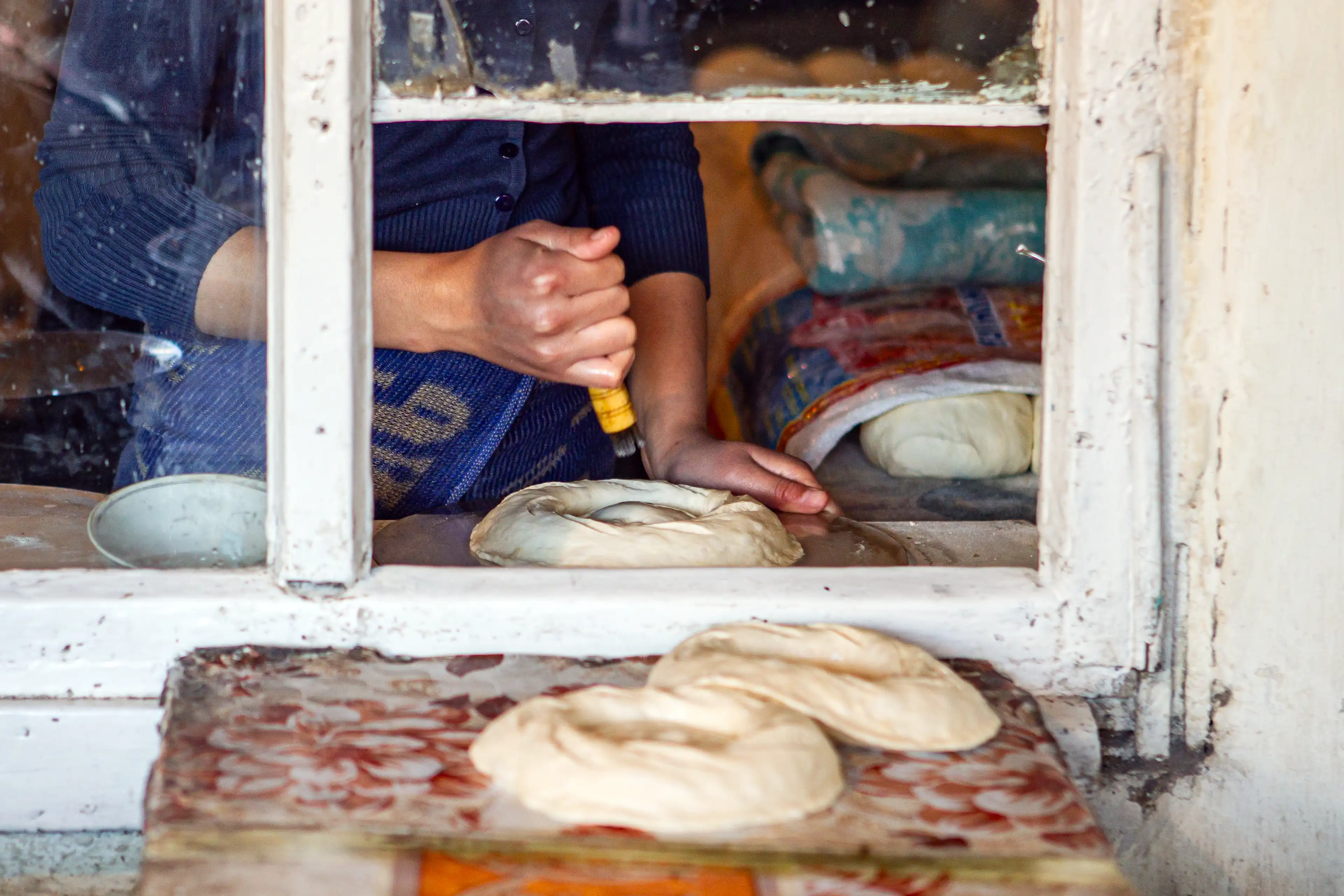
Bread holds deep cultural, spiritual and everyday importance here. It’s not just food—it’s a sacred element of the region's hospitality, tradition and identity.
If you look at the baker’s hands, you’ll see she holds a tool that stamps each loaf with a design. A wooden handle is embedded with small metal pins or nails arranged in geometric, floral, or sunburst patterns. Bakers press it into the center of the flatbread before baking. This prevents the dough from puffing up in the middle and gives the bread its signature decorative pattern.
Pray with me that the Bread of Life will be known among these people.

What’s on the horizon for this remarkable country and its people?
Pray that local believers would be deeply discipled and mobilized to disciple others.
Ask the Lord of the harvest to send more laborers here.
Pray for the effectiveness of gospel recordings and online evangelism.
May the Lord give dreams of the victorious Savior to family leaders in this place.

Take the Next Step

Wonder how and where God might use you? Have a conversation with one of our dedicated mission mentors. They will listen to you, pray with you and help you discern God’s leading.

Interested in Central Asia? Watch Middle Ground (Part 1): Rob Goes to Central Asia.

Get a glimpse of life on the Asian steppes, where many continue to spend part of the year herding their animals and living in sturdy tents.
Going Deeper
Check out these other related articles