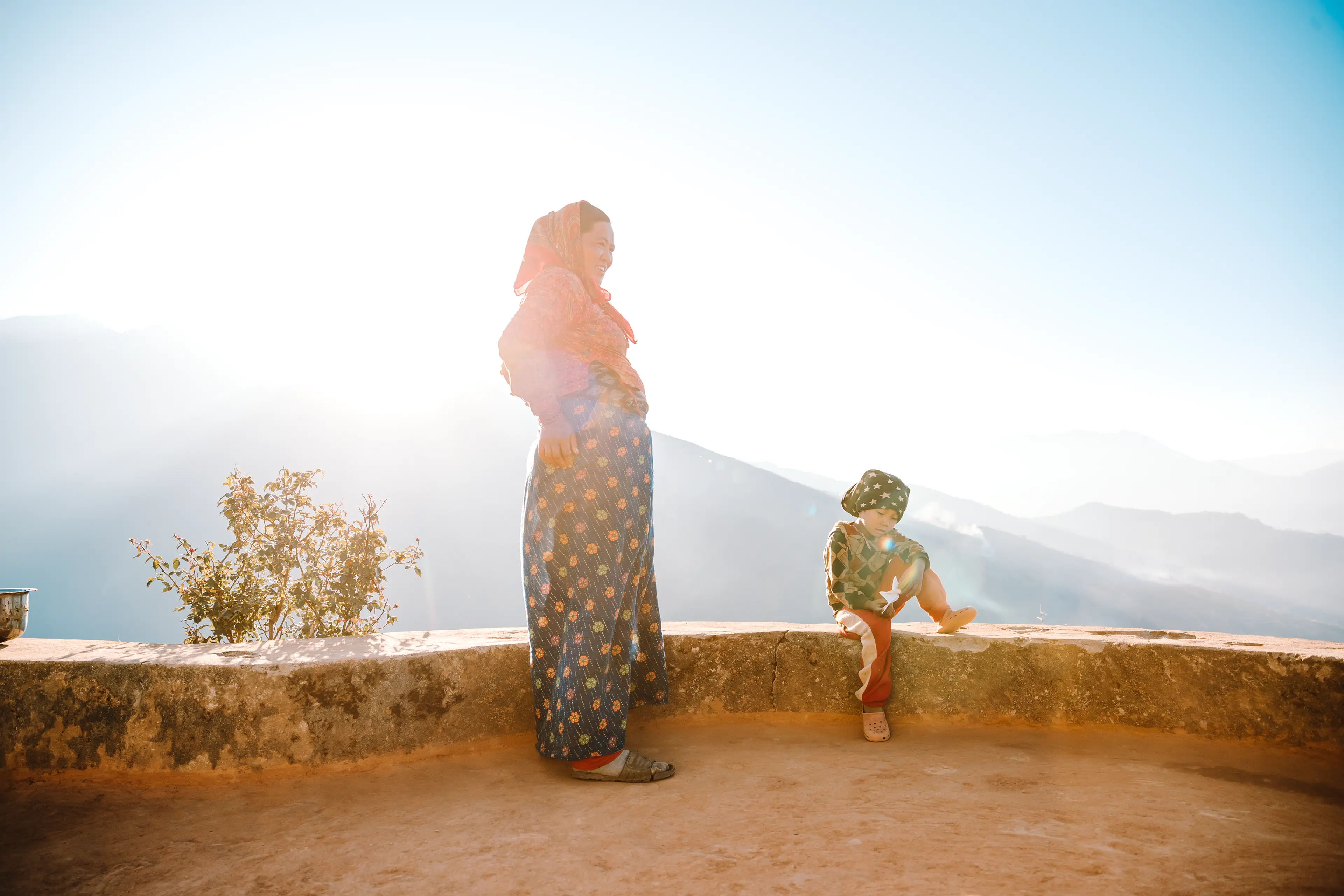
Sip & Savor: Exploring Coffee & Tea Culture in the Middle East
In this Middle Eastern nation, coffee and tea are central to daily life and social culture. Often strong and served black, they have traditionally been enjoyed in cafes, but affordable street-level ingenuity is creating a shift.
This box is used to determine what content is shared through the social share feature. This will not be visible when published to the live site.
Twitter Share Info:
pioneersusa
Copy to Clipboard link:
Code & Content Empowering Email Share Functionality
Last updated on
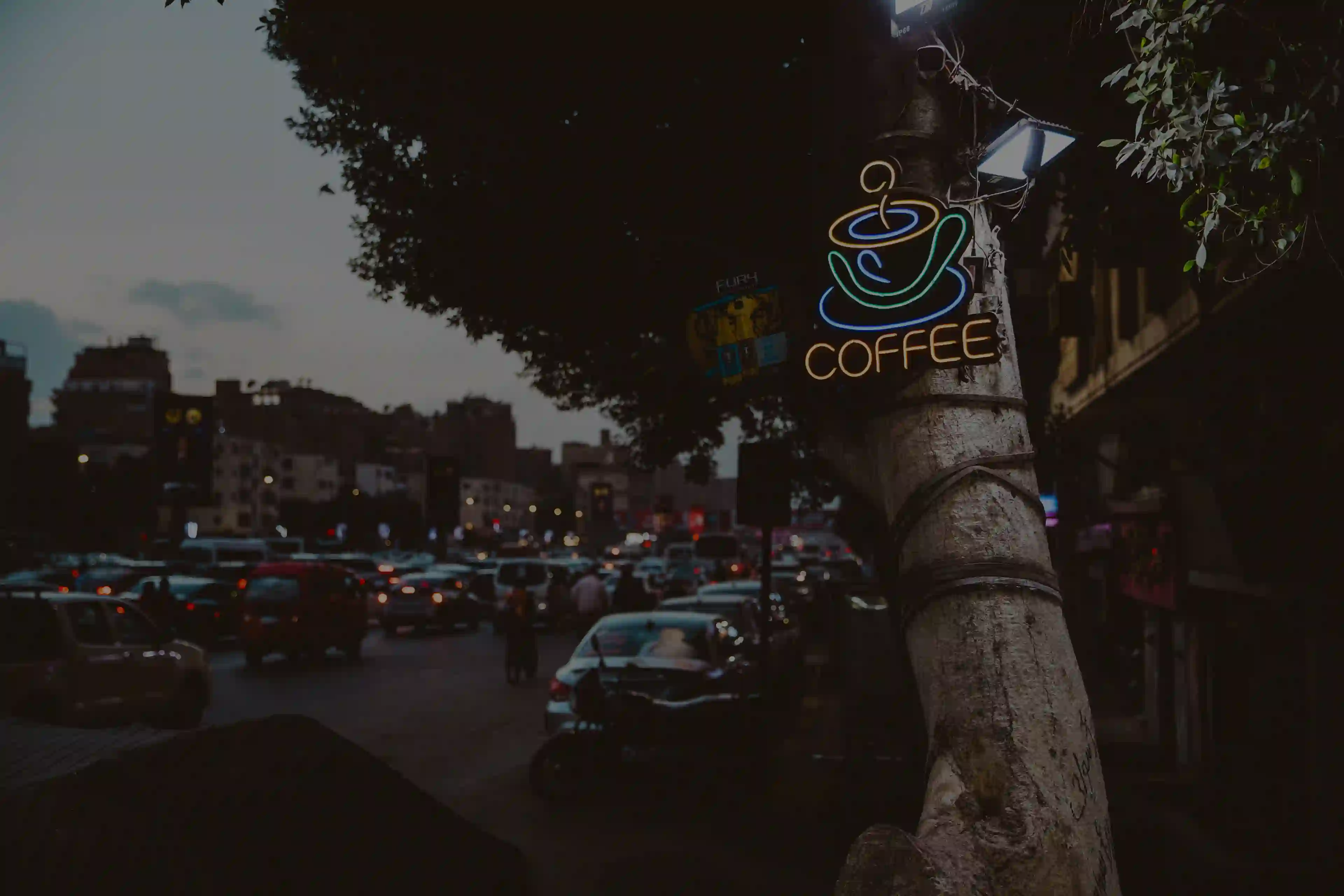
Cafes can play an impactful role in sharing the gospel. While they are primarily spaces for socializing and eating and drinking, they can also provide a relaxed, open atmosphere that makes them great venues for conversations about faith.
In many cultures, meeting at a cafe is just an easy, non-threatening way to hang out. This relaxed environment opens the door for genuine conversation outside the pressure of a formal setting like a church service. And since the gospel is best shared in relationships, cafes can foster one-on-one or small-group conversations that build trust and understanding.
I’ve heard it said, “It takes three cups of tea for someone to come to faith.” Over the first cup, you are strangers. With the second, you are friends. And with the third cup, you are family. The number is inconsequential; it’s simply emphasizing the importance of relationships.
I wonder how many people’s faith journeys began with a cup of tea?
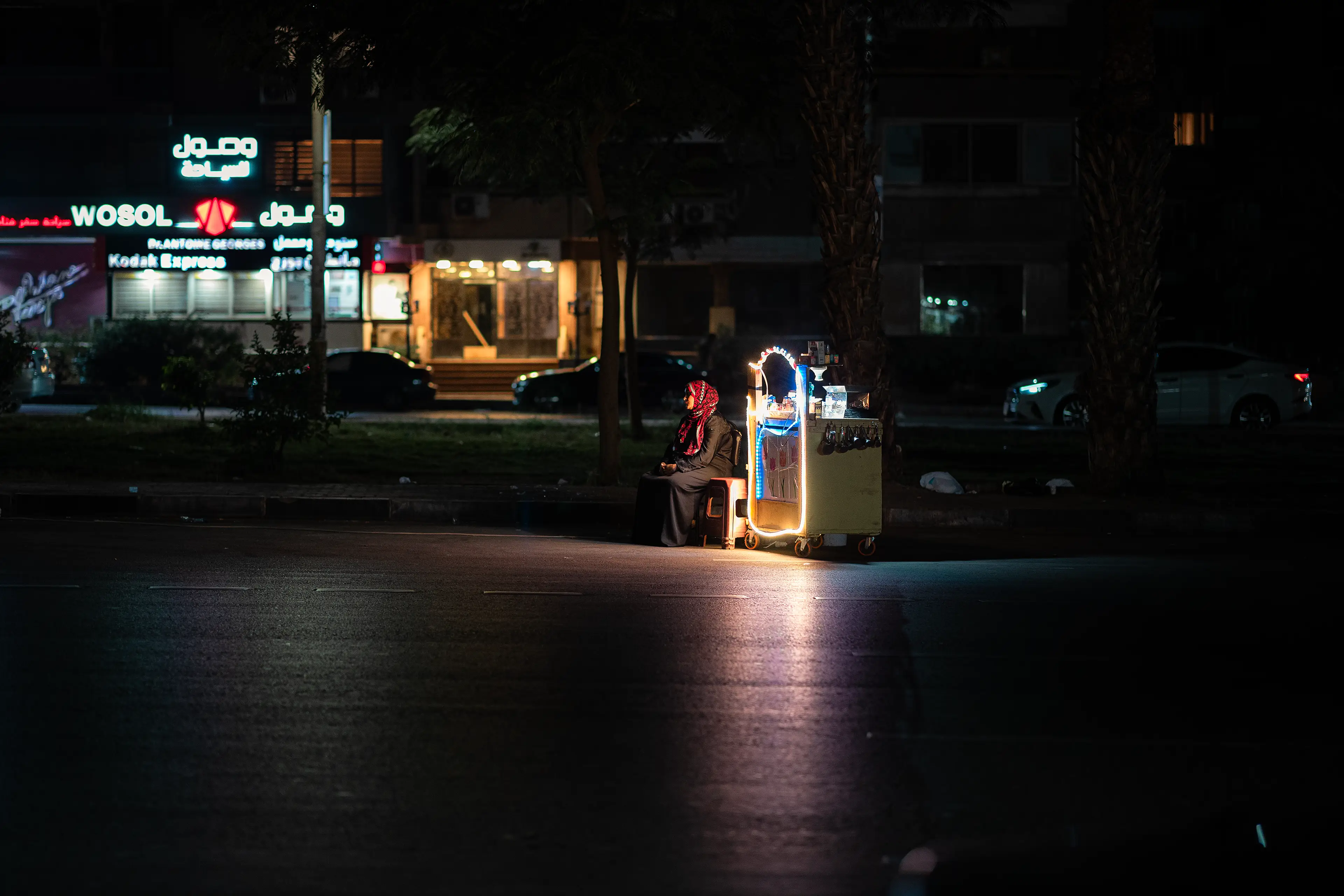
With limited job opportunities, especially after the pandemic, local entrepreneurs are opting to skip the cost and hassle of a formal space and opening micro-cafes to attract passers-by for a quick, affordable brew.
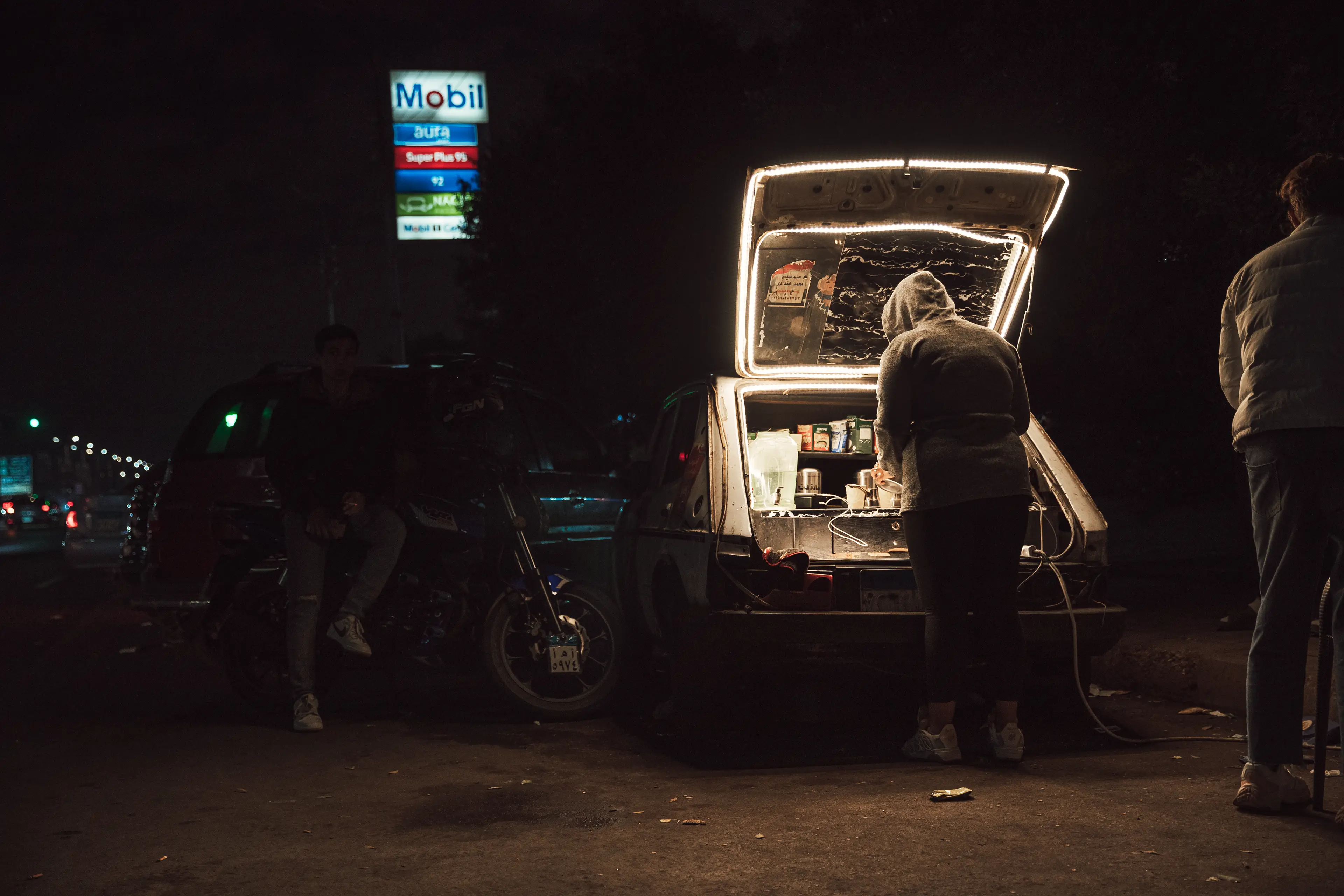
Abandoned and broken-down autos are a popular choice for repurposing into car cafes. Though they’re not mobile, they’re street-side and ready to serve. With an extension cord, they can borrow a little electricity, announce their location with LEDs and heat kettles for tea or Turkish coffee.
Many of the car cafes operate without formal business permits. That means authorities may confiscate their equipment or invite vendors to move along.
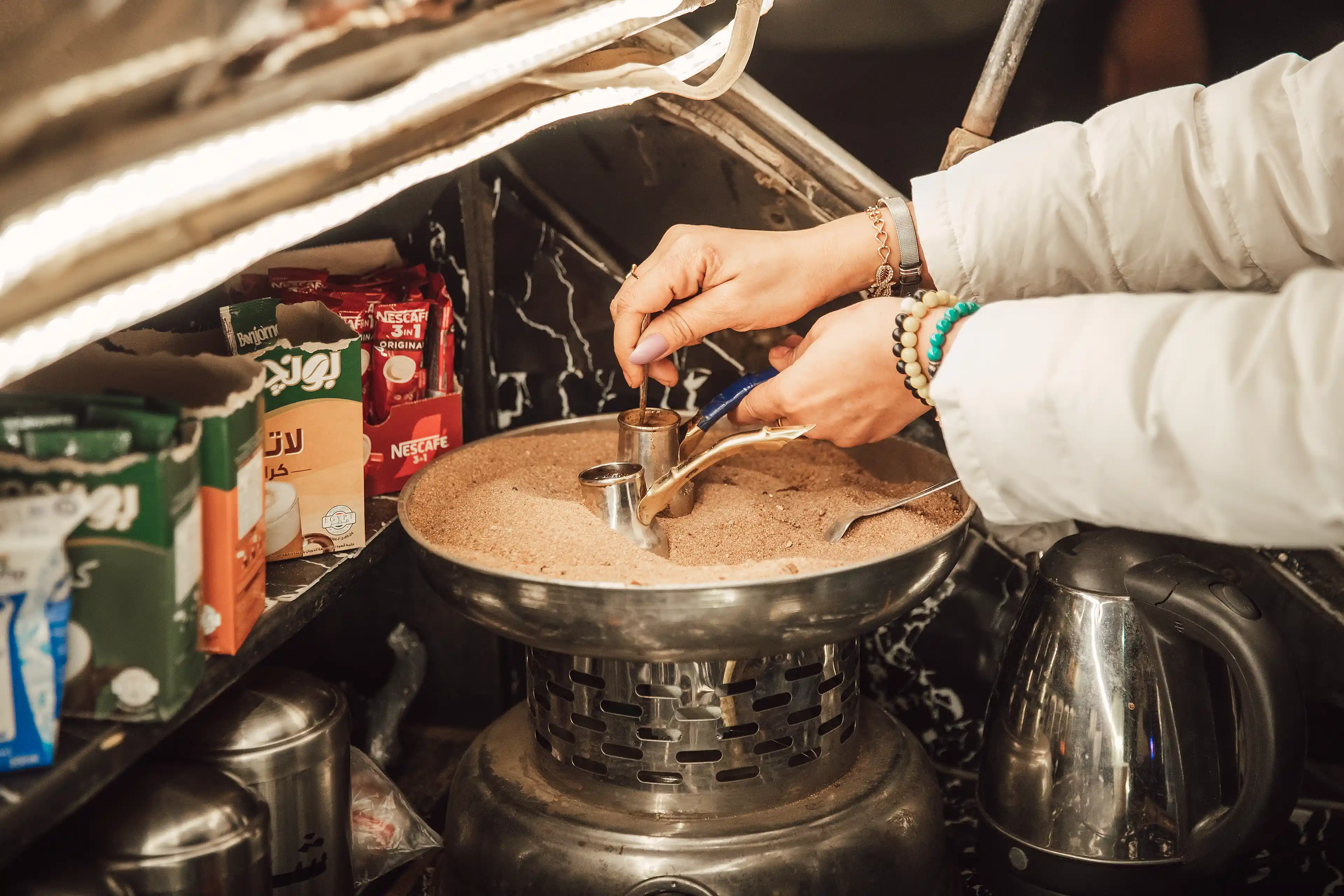
Fine sand heated in a wide, shallow pan is the perfect bed for a cezve, a long-handled cup for making Turkish coffee. The sand is meant to envelop the cezve and provide even heating to the coffee brewing inside. When a thick foam darkens and rises to the top of the cezve, the coffee is ready to serve.
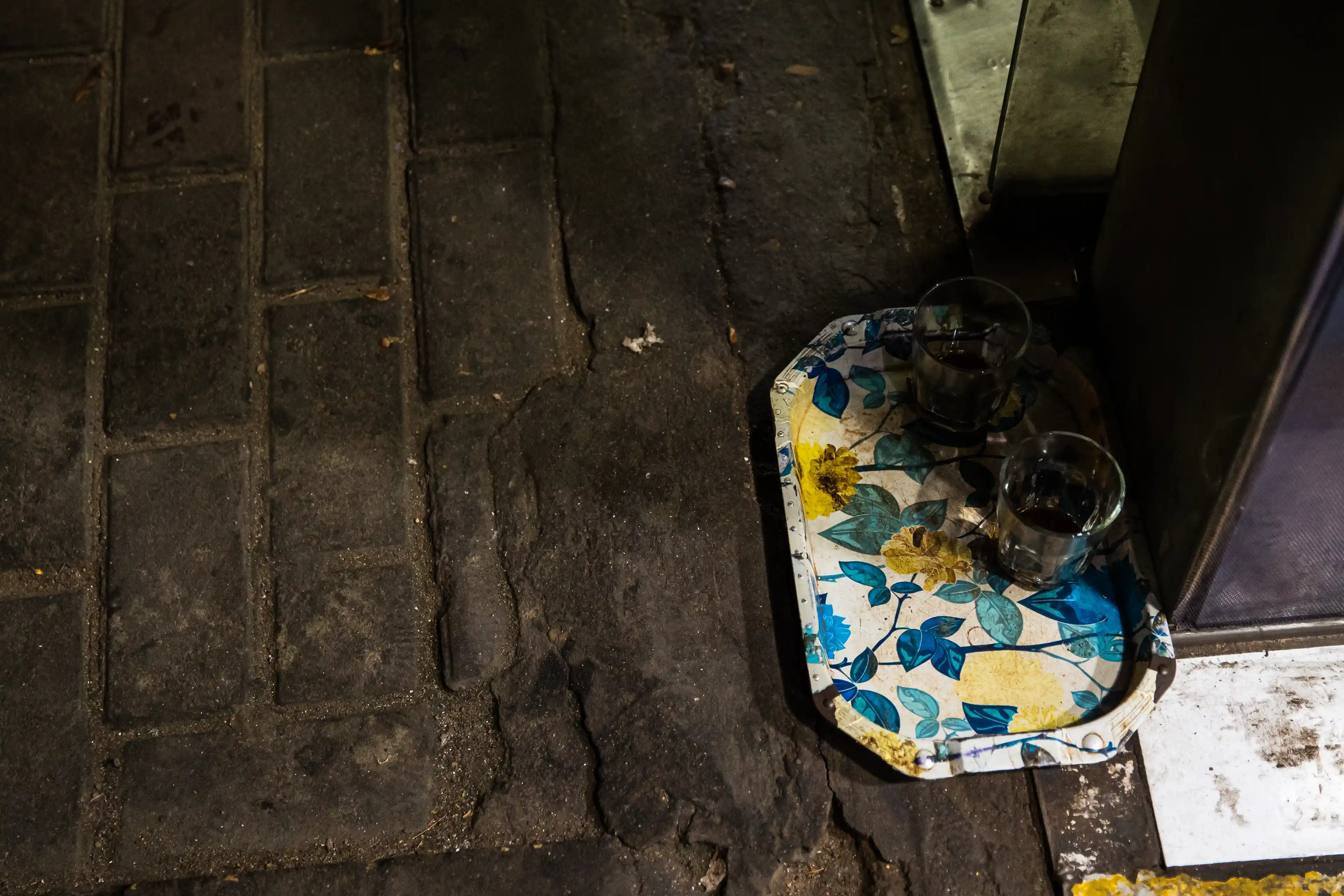
If you have your tea delivered from a local tea shop, you can just leave the cups outside when you’re finished. It’s all part of the informal, communal nature of life in this city. Vendors will retrieve them in the morning and wash them for reuse.
This keeps costs low and makes tea drinking more accessible to people in this urban environment.
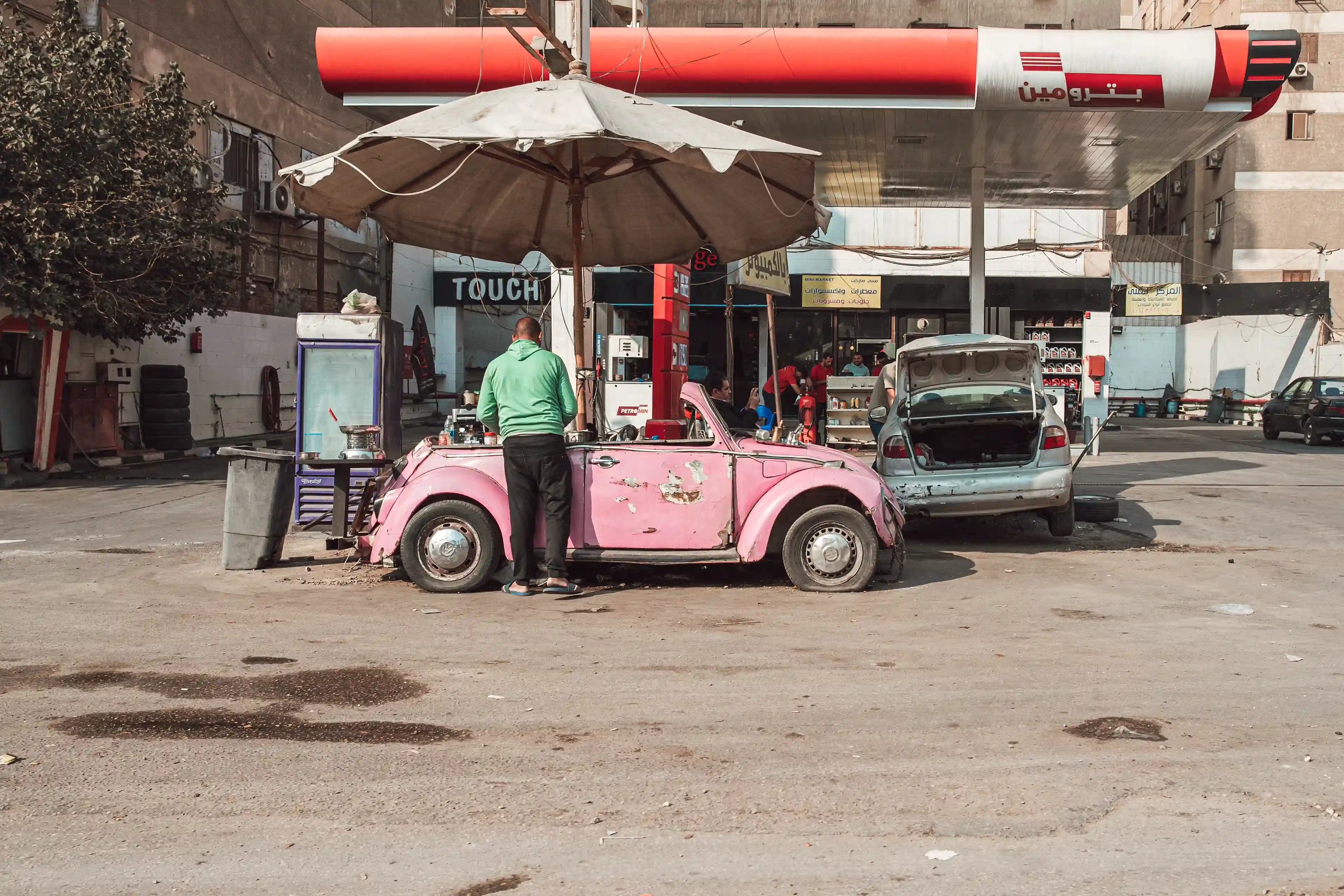
My wife would cry seeing this pink Volkswagen convertible in such a state, but it certainly catches the eye! A plywood countertop has been fashioned to fit inside the car and provide ample space for car cafe offerings.
It’s a pretty sweet setup, but I think the owner missed an opportunity to have business in the back and seating in the front!
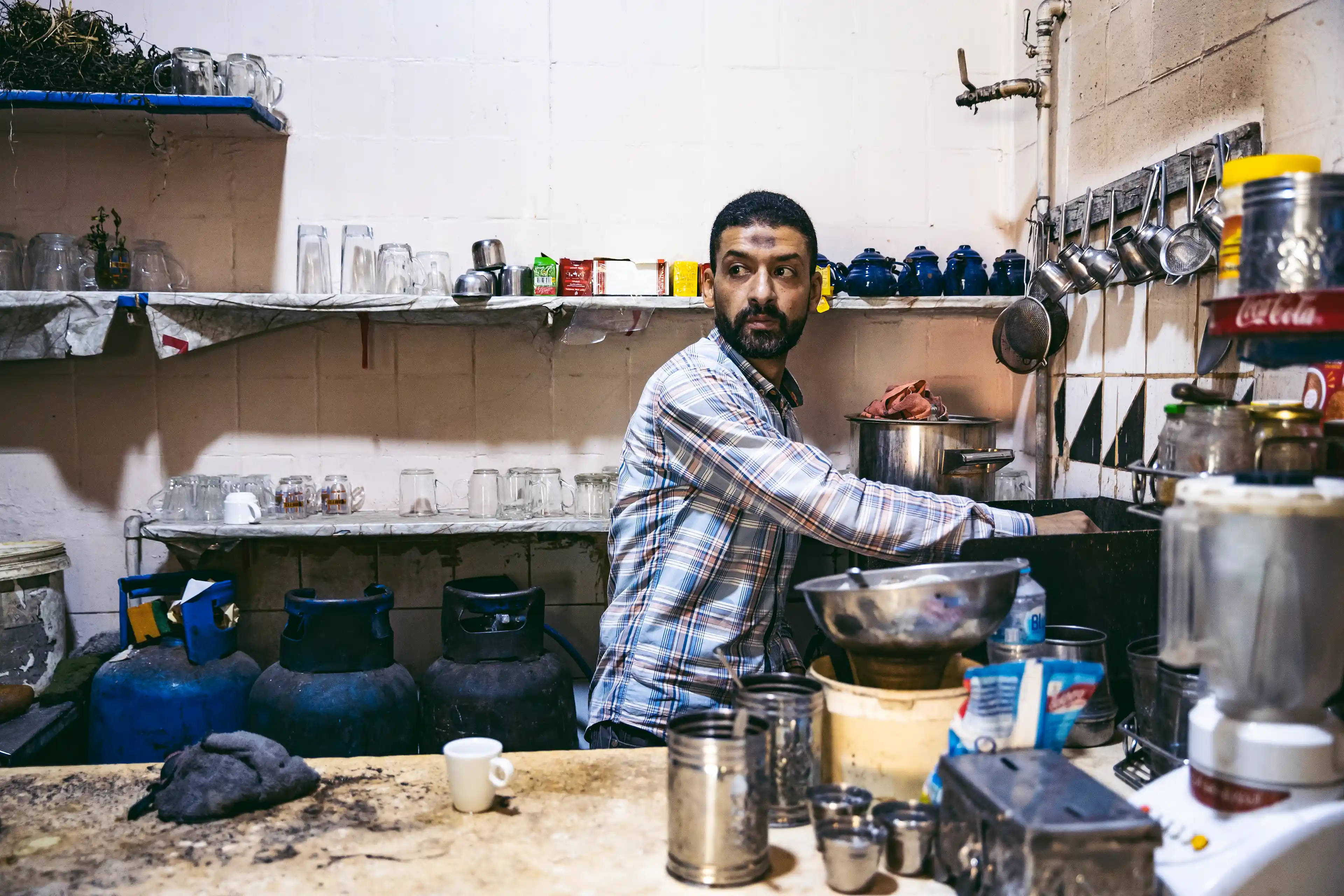
If a brick-and-mortar cafe is more your speed, this fellow has you covered. There’s a stash of mint for tea in the upper left, plenty of propane for coffee-making, and all manner of hardware to support his craft… including grinders, sieves, teapots, glasses and the long-handled metal pots used to make Turkish coffee.
Notice the dark patch on this man’s forehead? Marks like this are called sadja marks, developed over time due to frequent prostration during daily Islamic prayers.
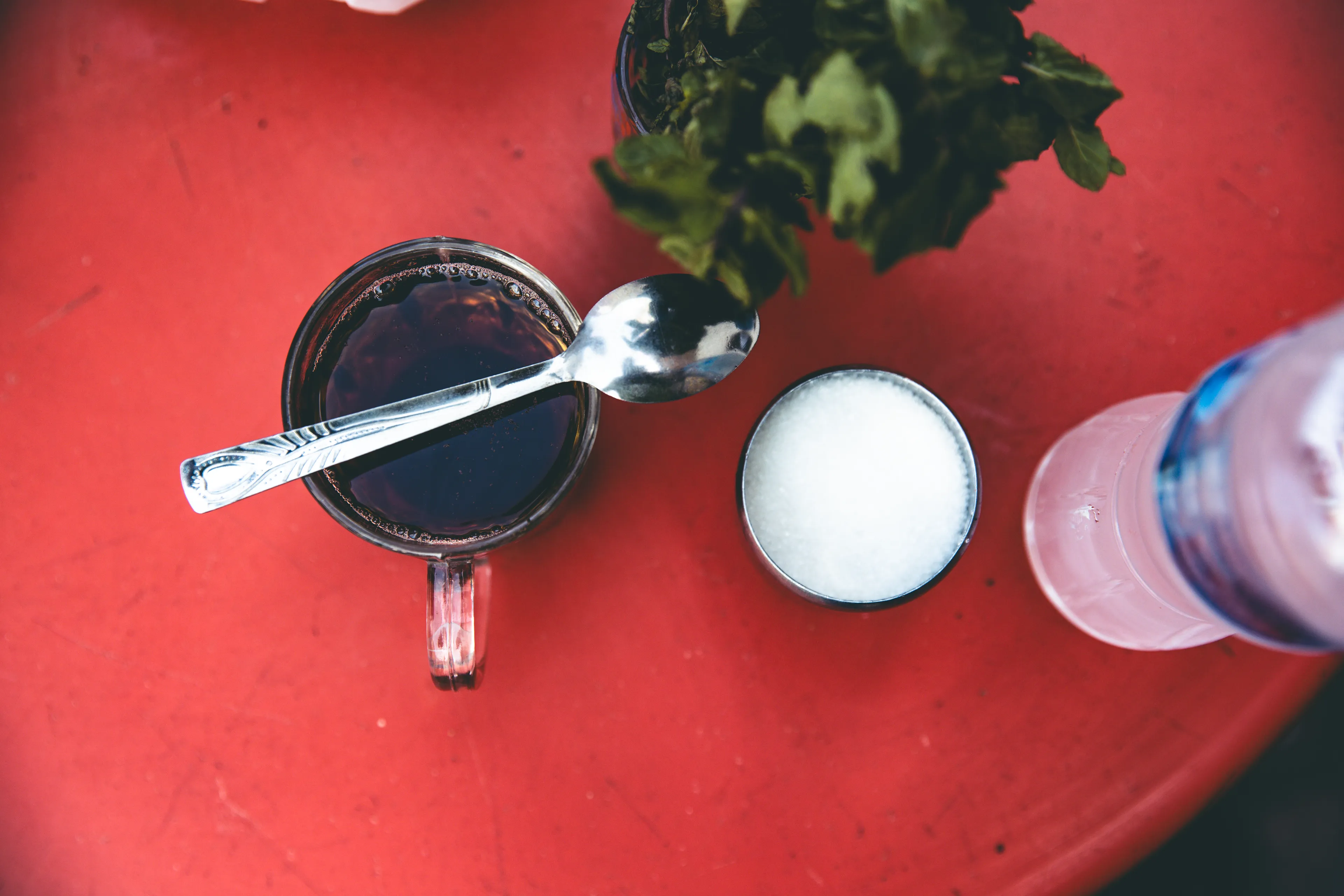
People have grown mint in this country for centuries for its medicinal and aromatic properties. It’s been used for digestive issues, stomach ailments and for flavor in cooking. In the 19th century, mint tea became a popular way to combine the medicinal properties of mint with the strong flavor of black tea.
I’d venture to say its medicinal benefits have been largely forgotten, and it’s now simply a popular cultural icon.
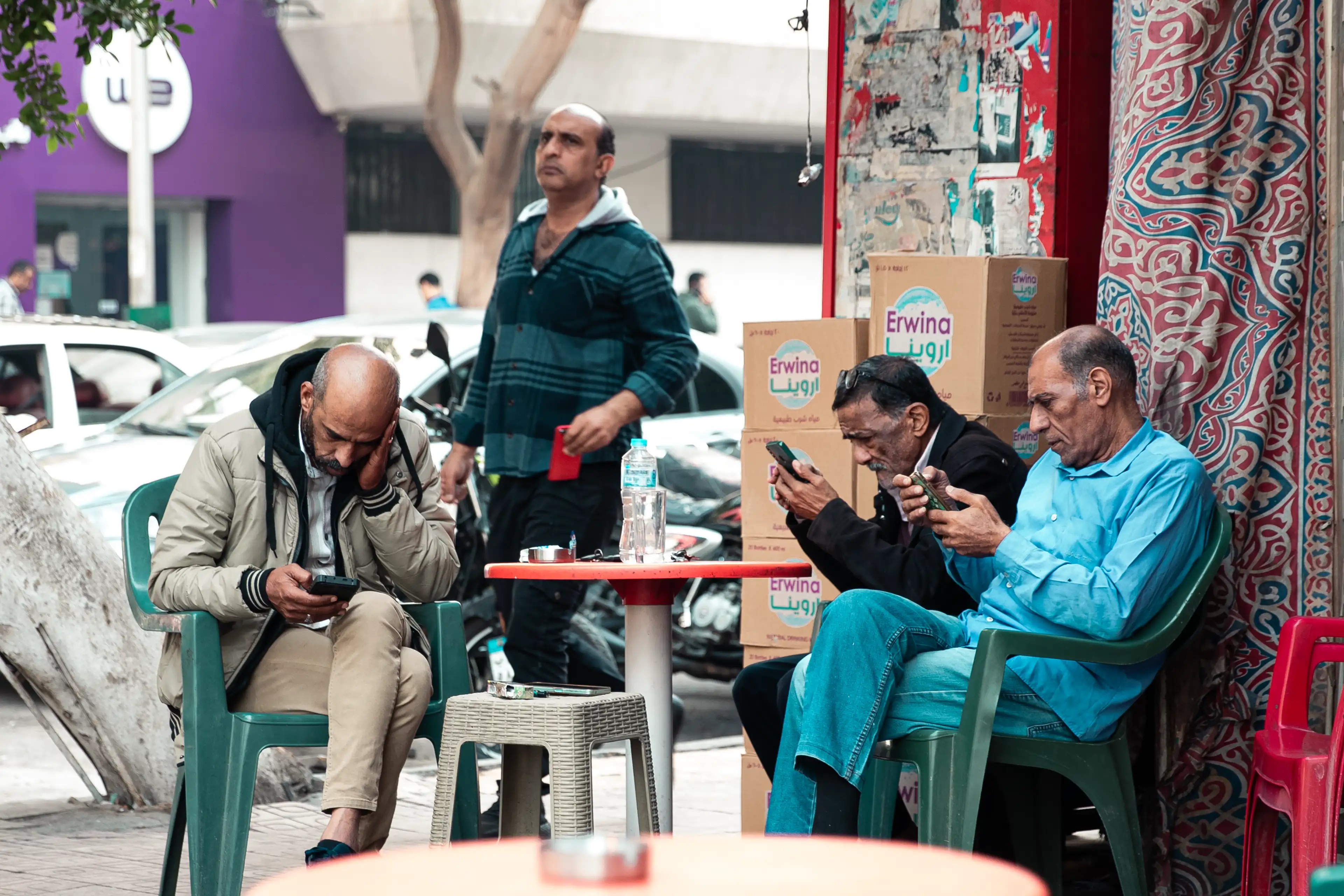
Honestly, I was a little surprised by this scene! Based on prior visits to the region, I expected to see tables of men smoking, playing dominoes and chatting away. It seems that smartphones are impacting tea shop culture! Perhaps they were all just checking the score on an important football match.
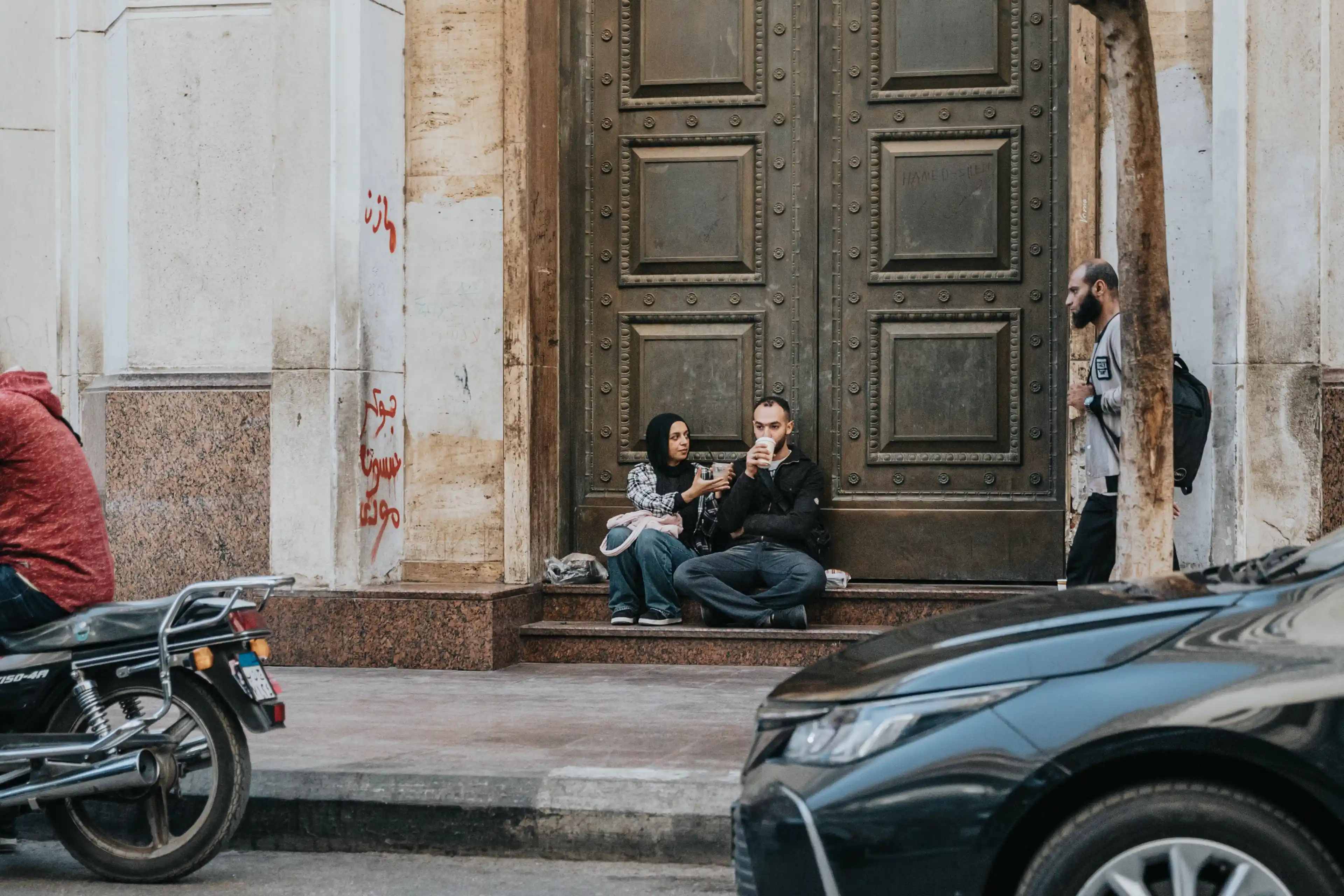
Milk tea isn’t traditional here, but has been gaining popularity in recent years, especially in the big cities. While there is a long-standing tea culture, milk tea, especially the bubble tea kind, is a new trend catching on. That said, it’s still not as widely spread as more traditional drinks.
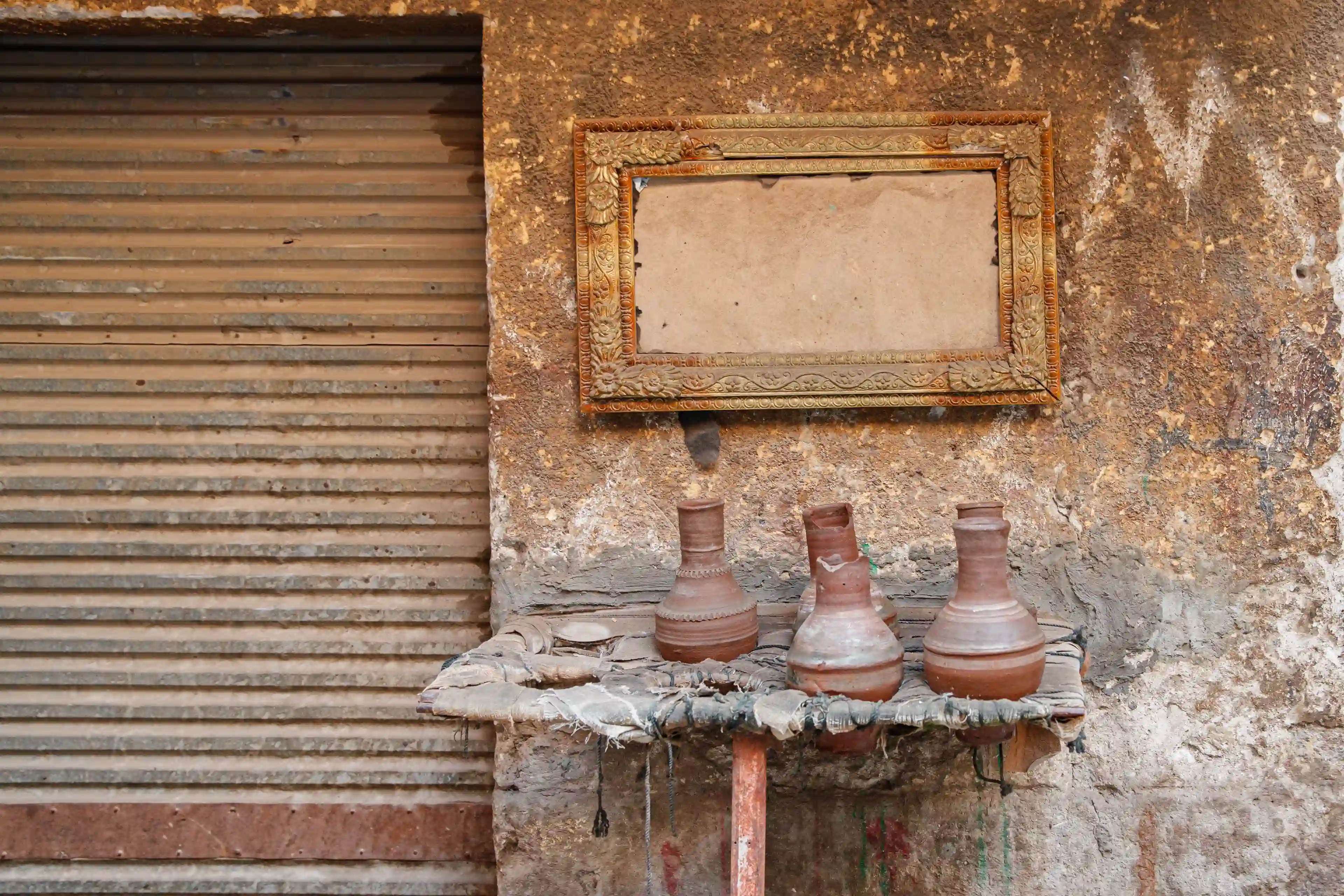
Unglazed clay water jugs are simple vessels that have been used for generations to store and cool drinking water. The clay allows a tiny amount of water to seep through the walls; as that water evaporates, it cools the interior, keeping the remaining water relatively cool even in high heat and without electricity.
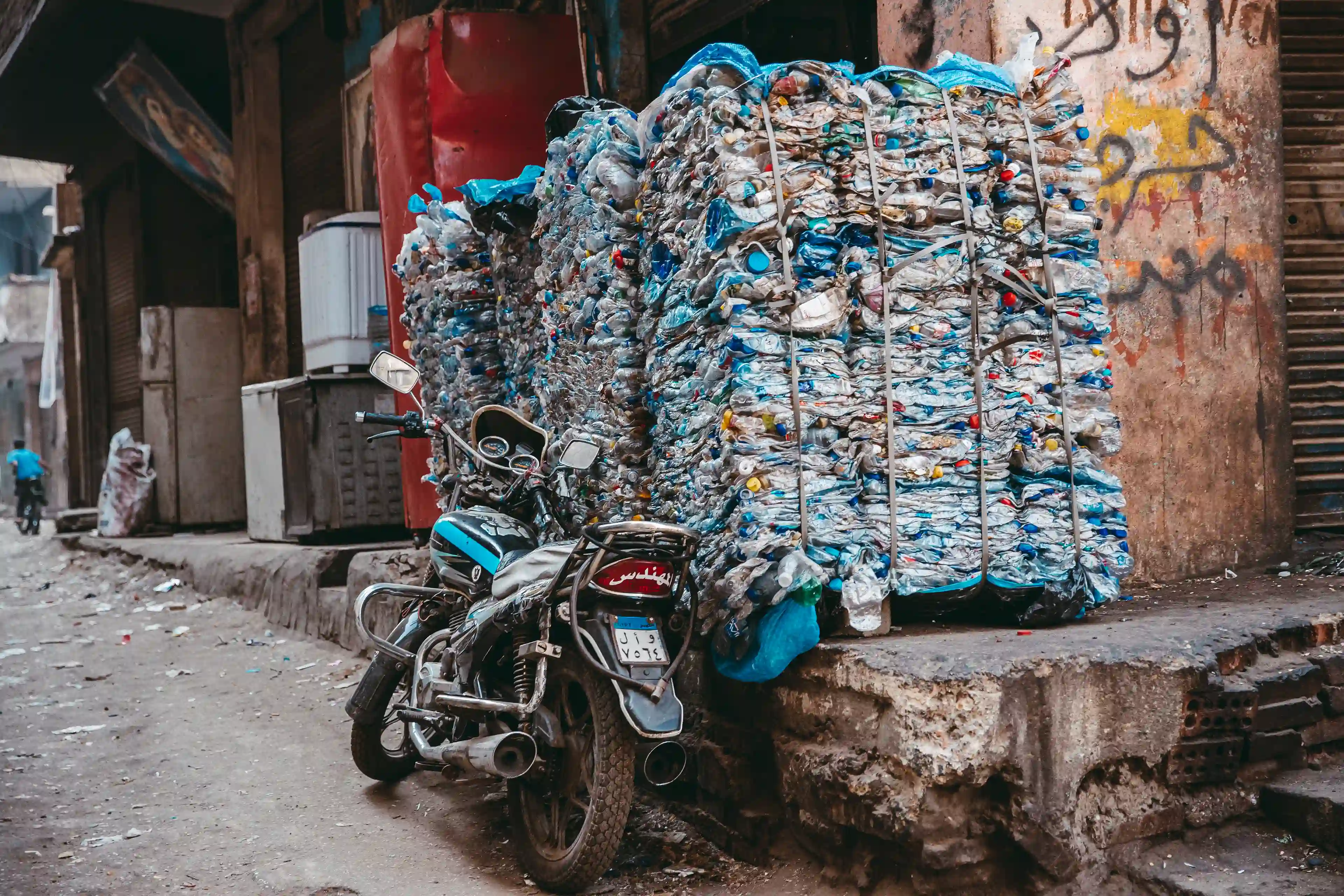
Although the local water supply is treated and meets local safety standards, the quality can change due to aging infrastructure, leaks and potential contamination in pipes and tanks. I noticed that the local tea and coffee shops I visited were using bottled water rather than filling from the tap. Fine by me!
In one part of the city where recycling was the primary business, bundles of compressed water bottles highlighted these choices.
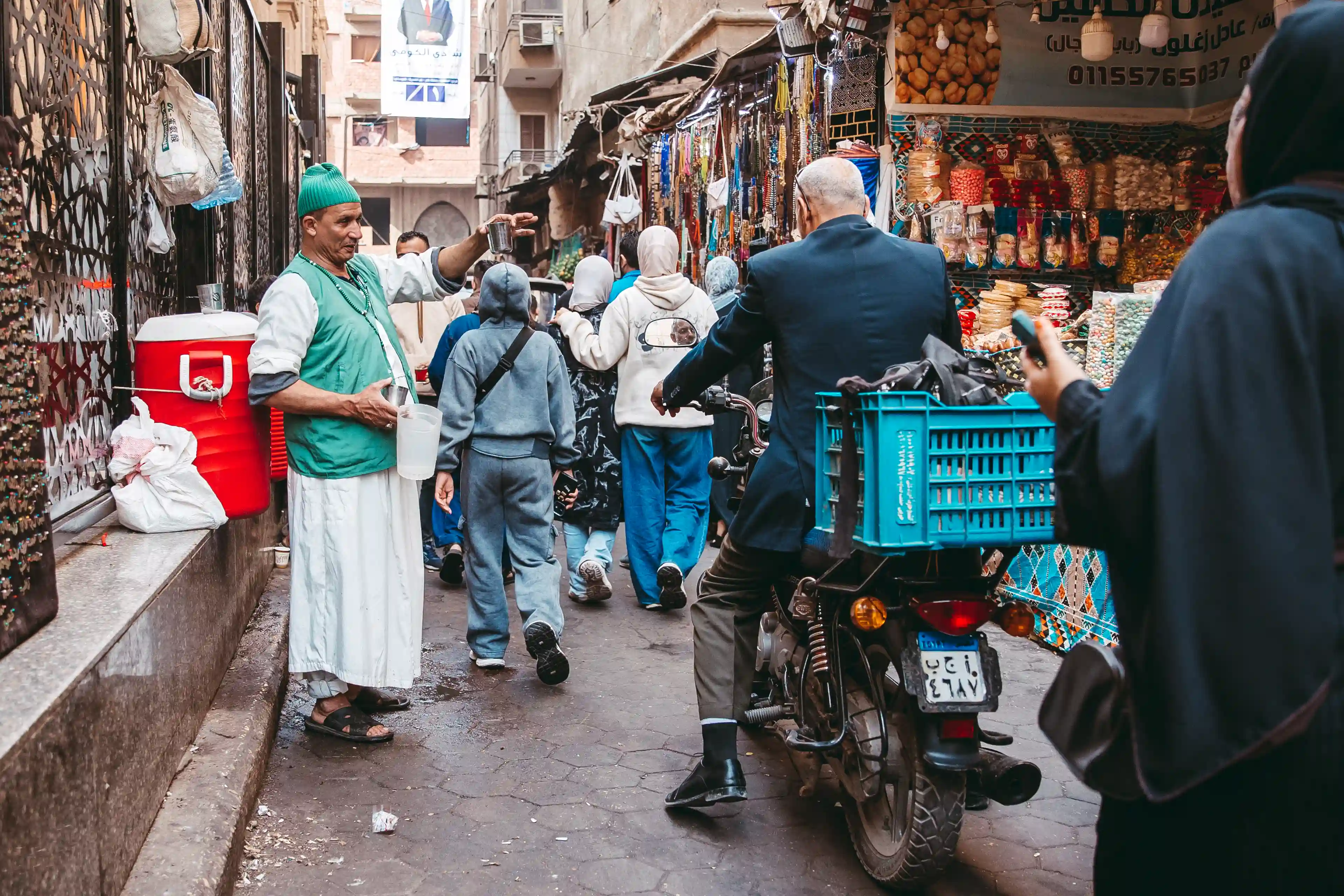
Just outside a mosque in a busy market district, a man offered cups of water to passersby. Giving water is considered a highly virtuous act in Islam, described as one of the simplest and most rewarding forms of charity.
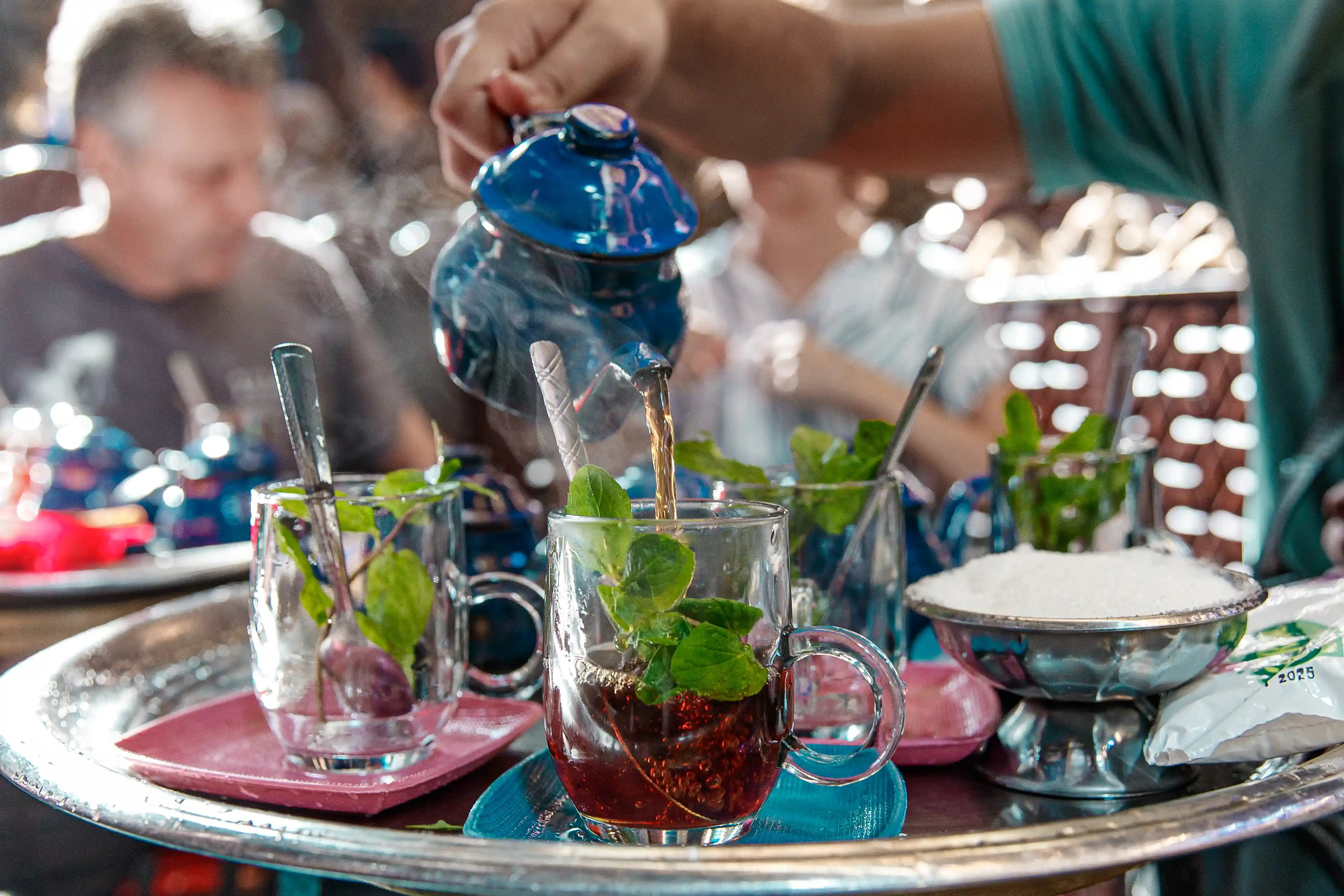
When we passed the region’s oldest cafe, stopping for tea was a given. It’s been a social hub for centuries, founded around 1797 and operated continuously by the same family.
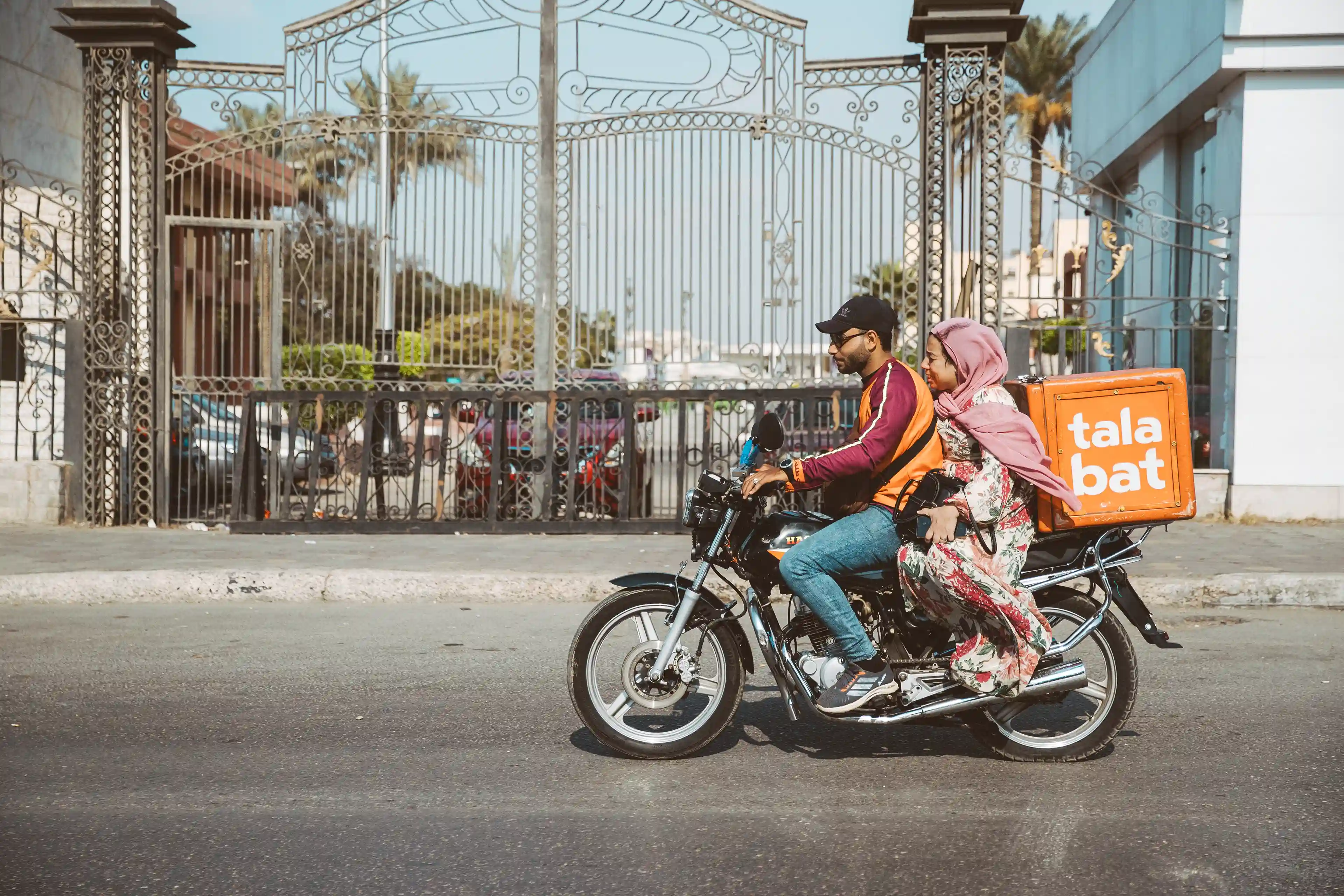
Have a mobile but no coffee? Want it to come to you? Delivery to the rescue.
I saw motorbikes with the bright orange carry cubes on the back in every corner of the city. Evidently, they’ll bring you groceries, snacks, meals from restaurants and your favorite drink from local cafes.
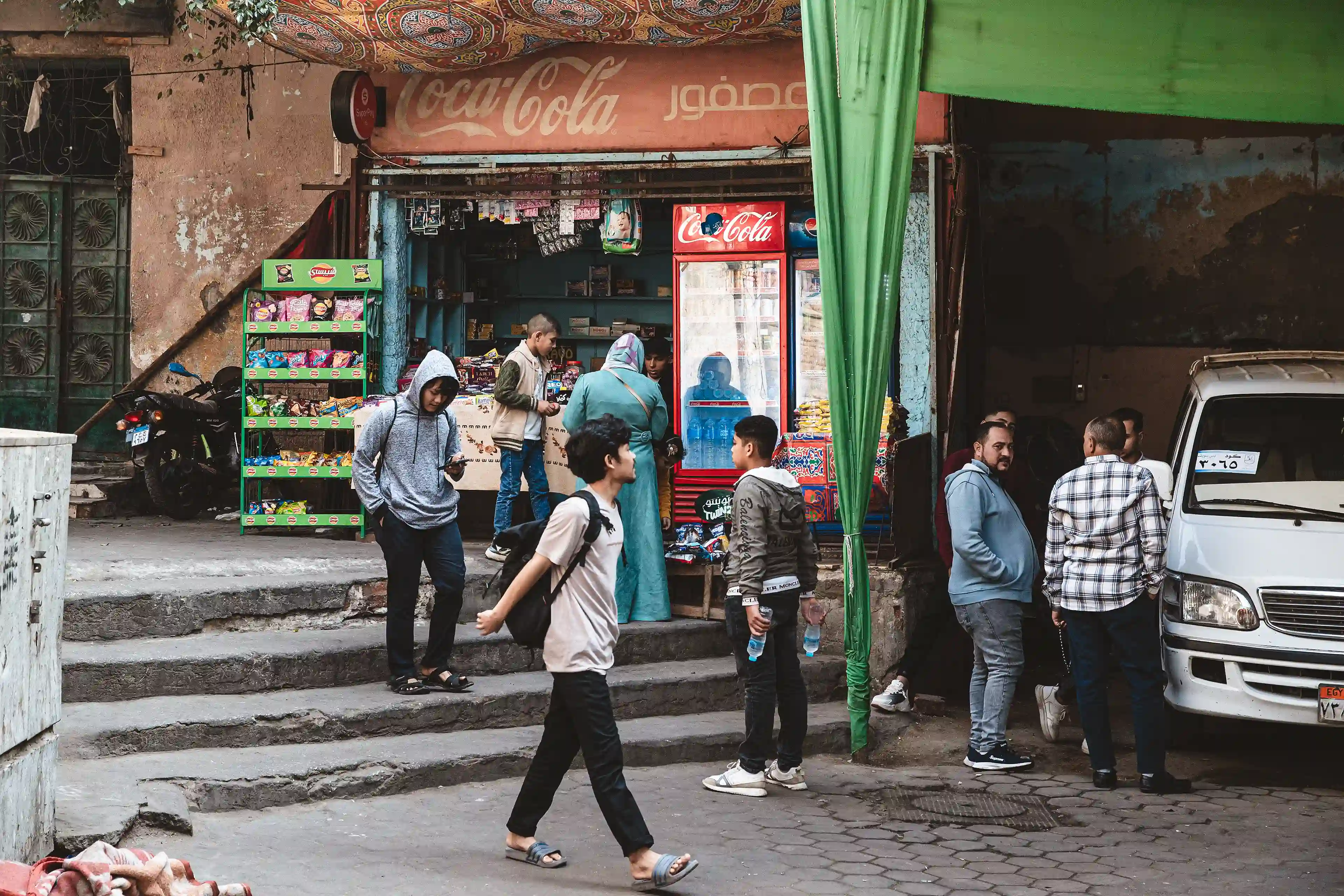
Like your caffeine cold and from a bottle? I’m not sure when Coca-Cola came to the region, but I don’t think it’s a stretch to say that branded convenience stores were in nearly every neighborhood.

Take the Next Step


Watch the video Spirit of North Africa to get a better picture of this part of the world.

Check out our photo essay with scenes from the streets of Bangkok, Thailand.
Going Deeper
Check out these other related articles




.webp)