
Overflow: Life-Giving Ministry on the Ucayali River
This box is used to determine what content is shared through the social share feature. This will not be visible when published to the live site.
Twitter Share Info:
pioneersusa
Copy to Clipboard link:
Code & Content Empowering Email Share Functionality
Last updated on
See also our video, El Evangelista: Following Jesus Into the Peruvian Amazon.
In the heart of the Peruvian Amazon, the rivers move in what seems almost a sacred rhythm. These winding waters are more than natural features; they are the jungle’s waterways. They bring life to countless communities, carrying food, medicine, and trade to places no road has access to. As the waters rise and fall with seasons, entire villages are impacted, trusting that water will forever flow.
Yet these rivers do more than sustain daily life. They also open doors for the gospel. Along their currents lies a divine opportunity to bring the hope of Christ to people who might otherwise never hear His name. Every bend in the river becomes a reminder that God Himself makes a way where none seems possible. What looks unreachable, God makes accessible by His grace.
When we travel these Amazonian water highways, we are not just navigating a landscape; we are stepping into God’s mission. The rising water reminds us of His presence that lifts and carries us. The receding waters remind us to walk humbly and depend on Him daily. And in every season, the river invites us to see the sacred opportunity before us: to bring His kingdom to the uttermost parts of the earth.
It’s not just about the physical needs of thousands of people, but also about access to the gospel, and Boat Camp gives teenagers the opportunity to see, feel and do something for people from the Amazon.
– Dr. David J. Shapiama
2 Corinthians 4:7
A Commnet photographer went along on a Boat Camp journey this year. Scroll down for his thoughts and images.
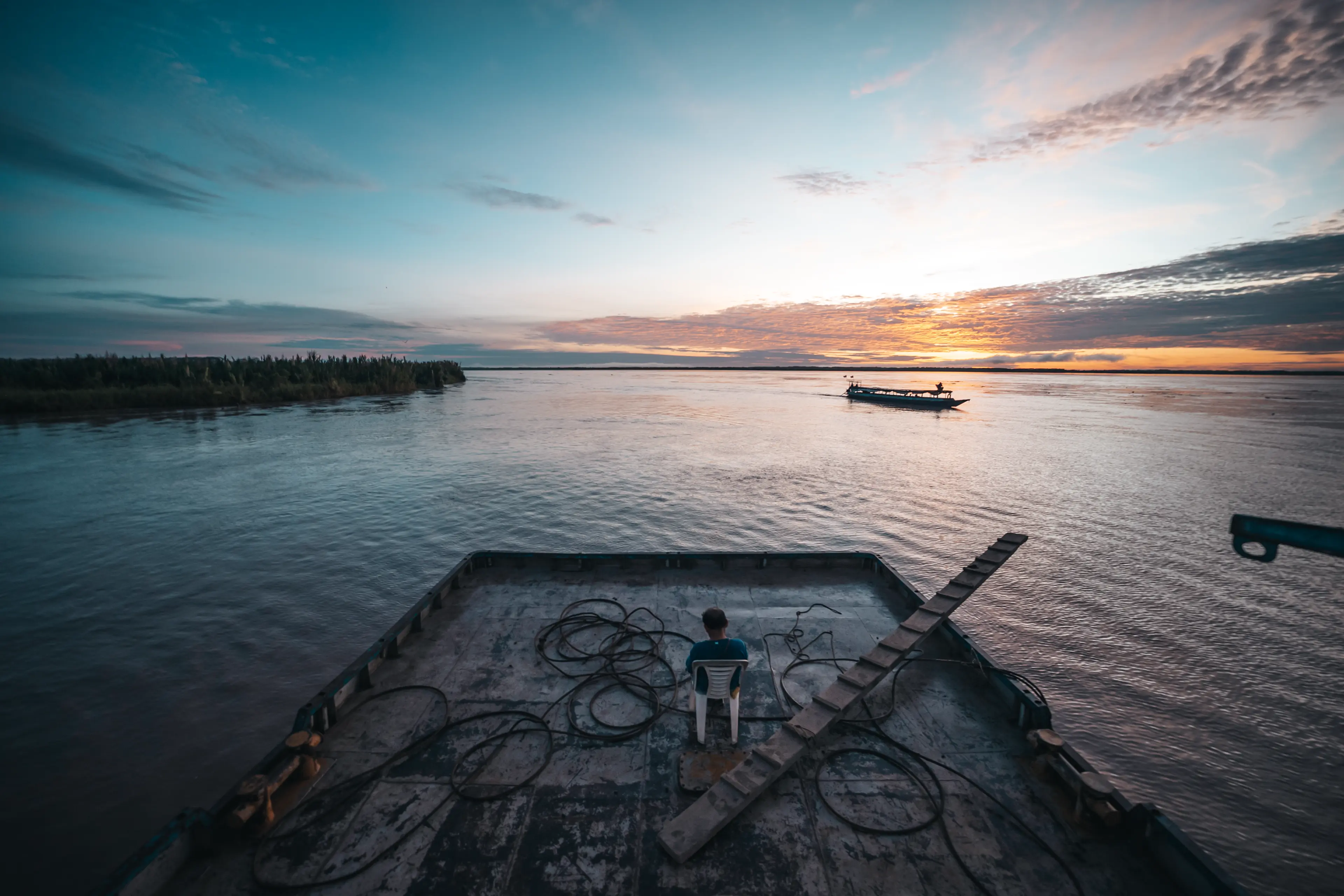
Pucallpa, Peru, is the gateway to the Peruvian Amazon. It’s east of the Andes in the Ucayali Region, known for vast rainforests, powerful rivers and rich indigenous culture. There, I boarded El Evangelista—The Evangelist—a triple-deck, steel-hulled riverboat and was soon joined by teens and ministry leaders from across the region.
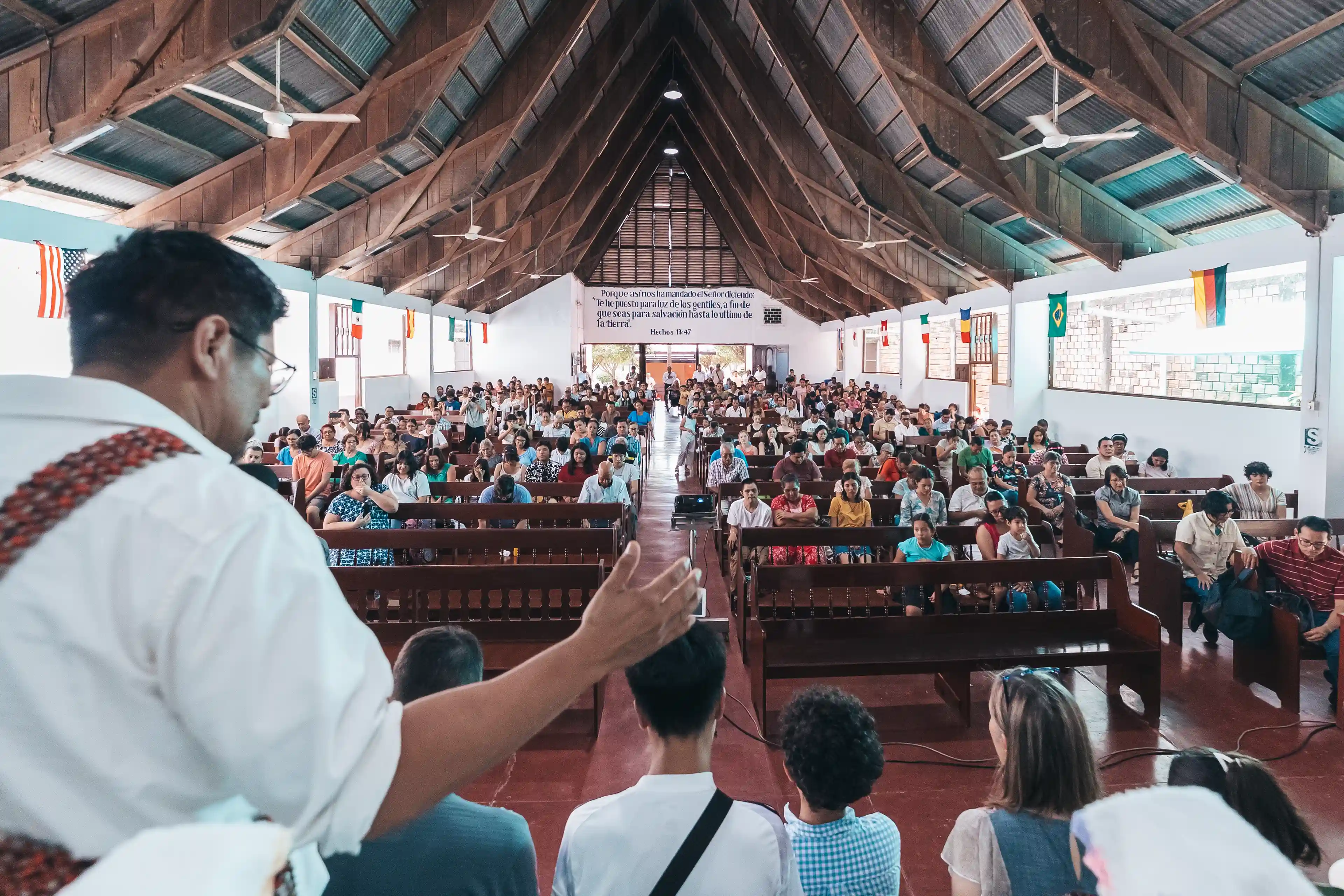
Departure day for Boat Camp began with a gathering of the saints in a church building dating back to 1932. Under the pastor’s leadership, Boat Camp has operated since 2017. Its training intentionally moves from orientation to formation, challenge and reflection, culminating in focused evangelism. All of this takes place over a week on the water, docking at riverside villages for outreach, team building and jungle survival training.
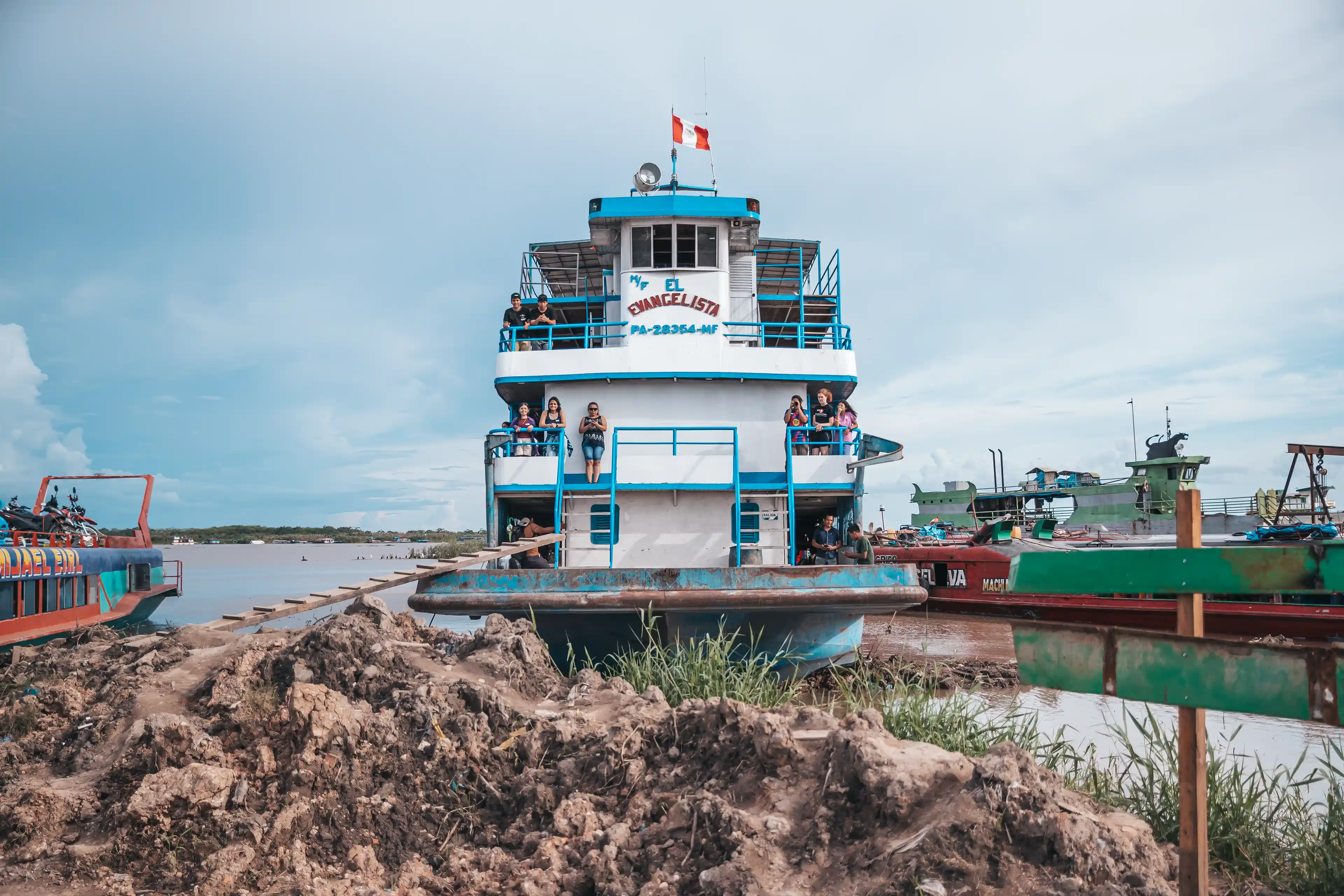
The waterfront of Pucallpa, along the Ucayali River, isn’t a polished promenade—it’s a raw, working edge of an Amazon headwater that feels alive and is constantly in motion. It’s dominated by a busy port zone where boats of every size line the shore, loading and unloading goods and passengers. In the late afternoon, I got my first look at home base for the coming week. By nightfall, everyone had come aboard. We would push out into the muddy waters at first light.
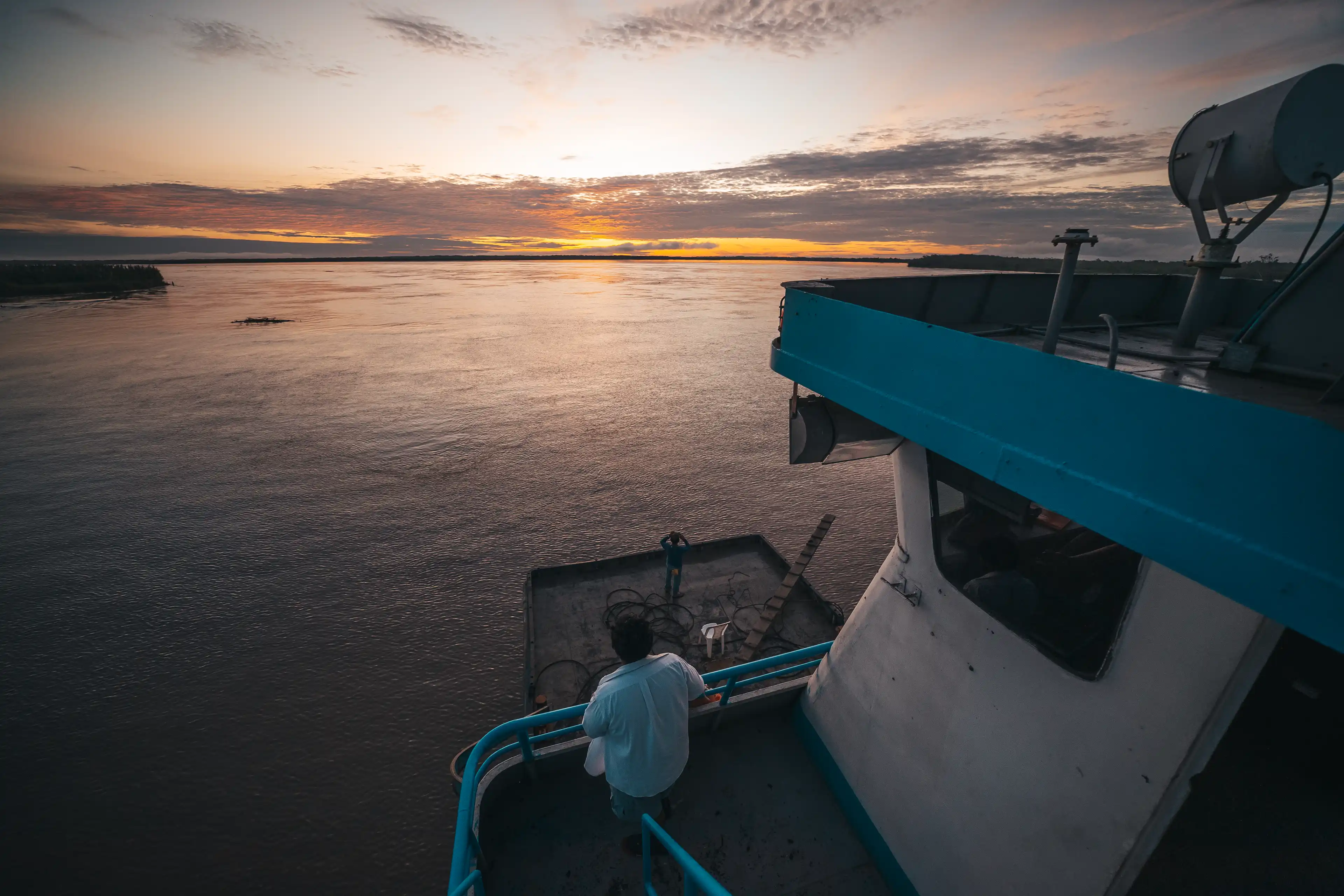
By sunrise, we were well on our way to our primary destination, a small village tucked along an offshoot of the Ucayali River. These muddy waterways are crucial arteries for transportation—there are no roads between villages. As a westerner from a country where automobiles are part of everyday life, I found myself asking questions like, What about medical emergencies? How do you get groceries? and What if your village doesn’t have a school?
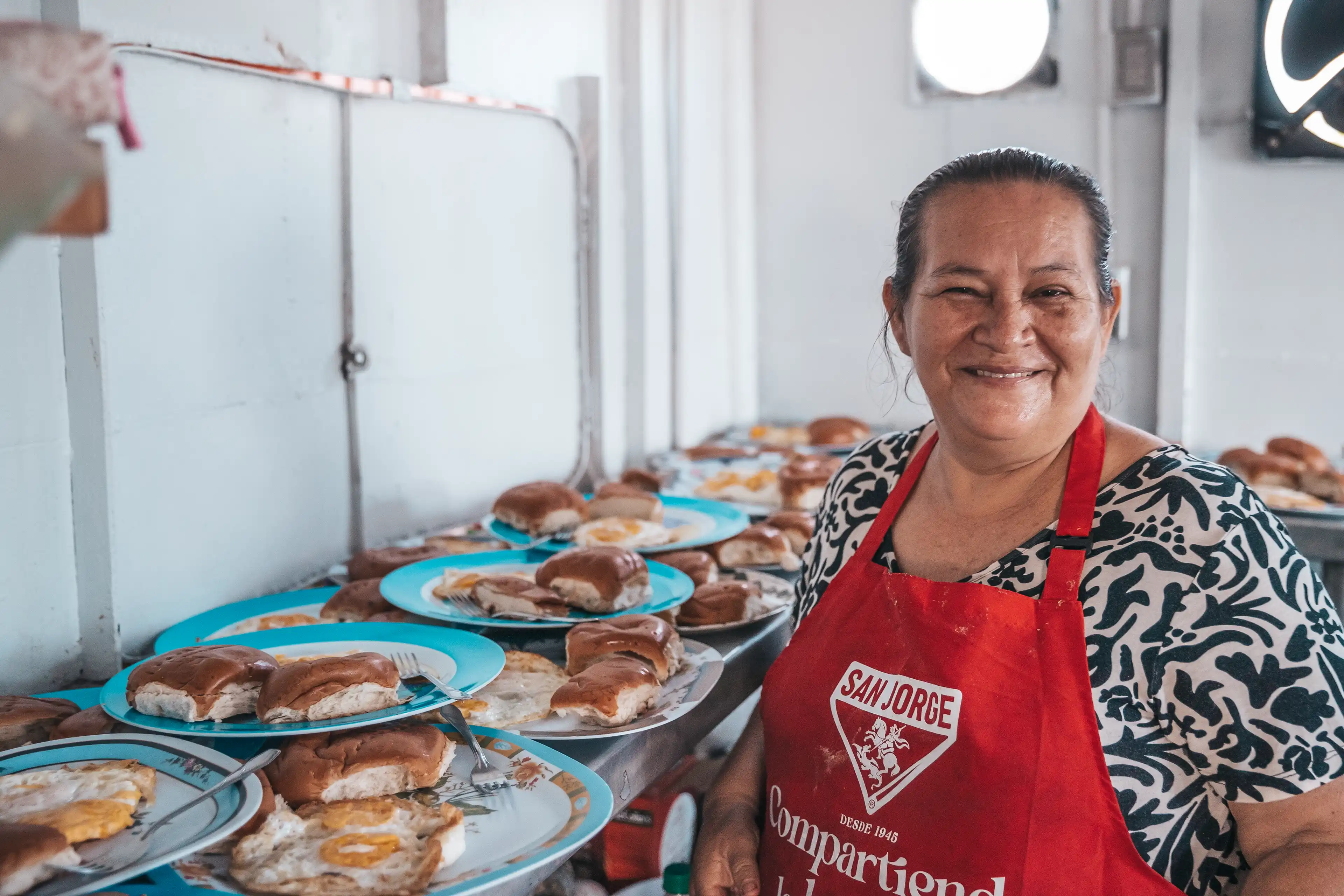
Each day, as the boat came alive, the smell of breakfast motivated us to set up the common area for a meal. Behind the common area was a small kitchen and storage space. Three local women worked tirelessly in this area all day, every day, to keep us all fed. How they did it is beyond my comprehension. The kitchen itself couldn’t have measured much more than 8 by 10 feet, and with three bodies in motion, wielding sharp knives and handling hot pots, it seemed even smaller.
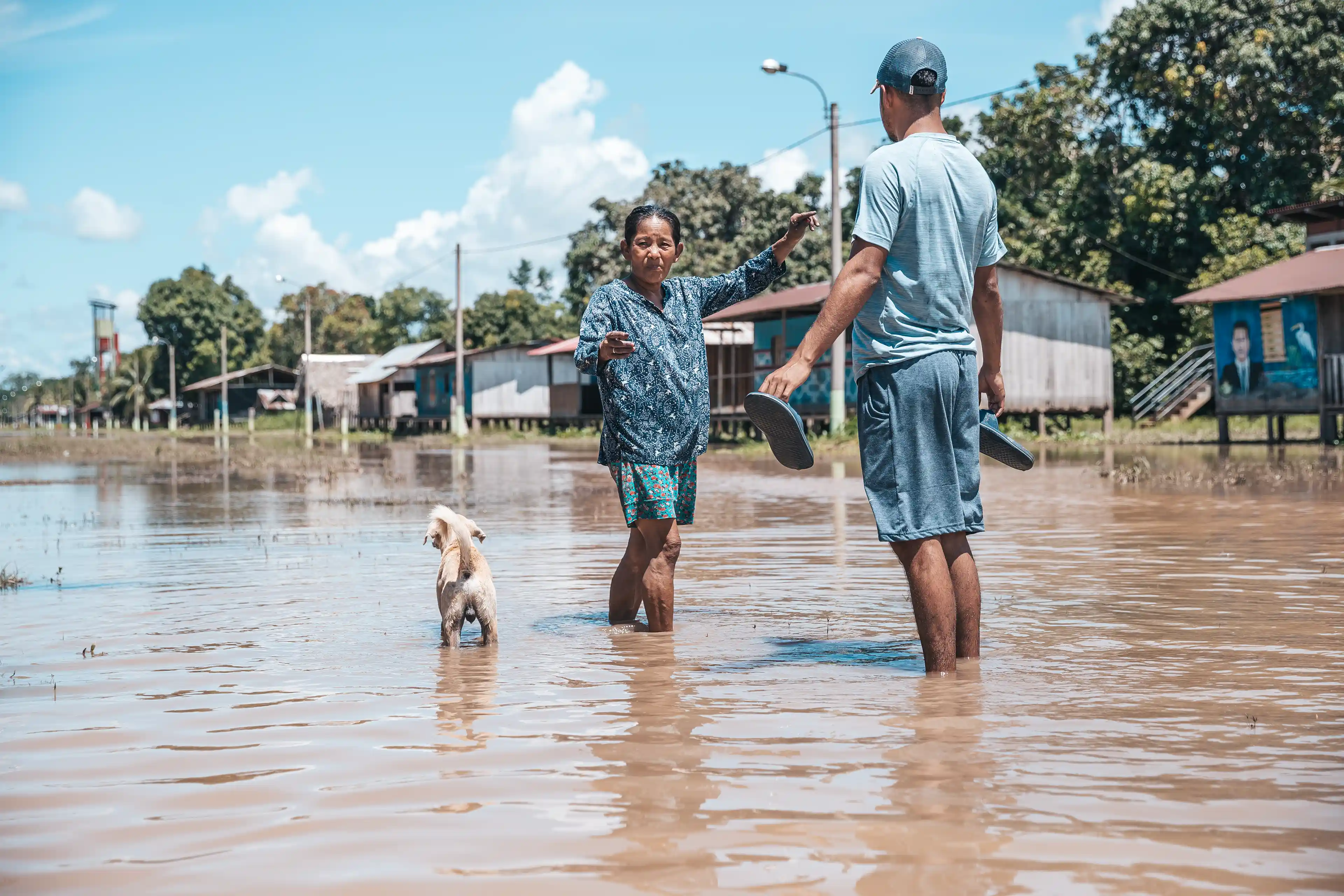
With the boat nosed up to the shore and secured with a heavy steel cable, I joined the captain and a couple of camp leaders to scout conditions in the village. We could have almost done the scouting by canoe, as ankle- and knee-deep water lay throughout much of the village. The locals were certainly prepared. Nearly every structure was built on stilts, some with worrying high-water lines. With no rain in the immediate forecast, we hoped the water would recede.
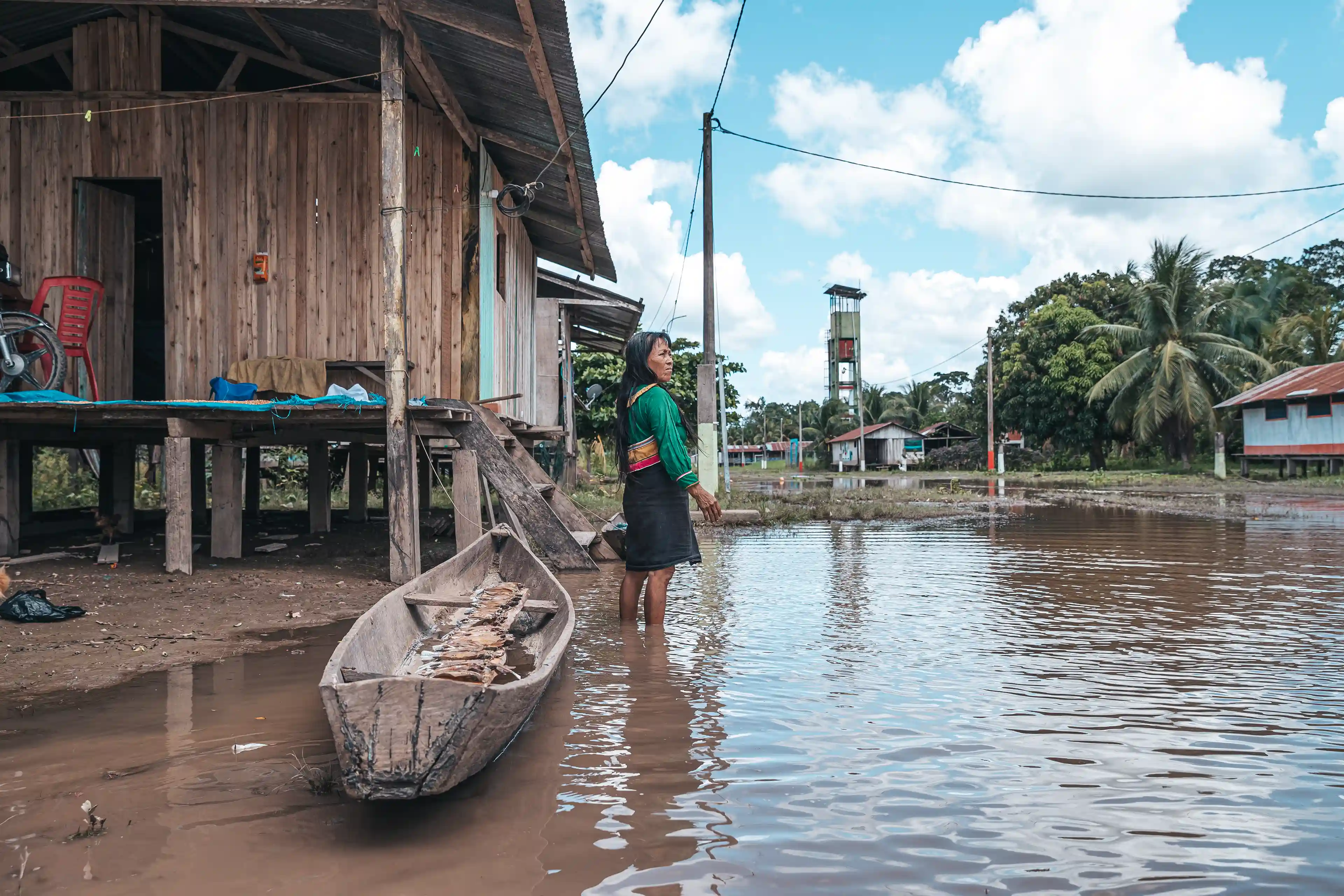
Standing outside her home, a local woman showed me her catch of river fish. She had butterflied them and laid them to dry in her dugout canoe. Given the humidity, I could scarcely imagine anything drying, but the sun is hot. As I understand it, local people eat fish three to four times a week or more. Dried fish is a traditional staple. In the background, you may notice an elevated water storage tank that uses gravity to supply water to the village. Neither the water system nor the electrical wires were operational during my time in the village.
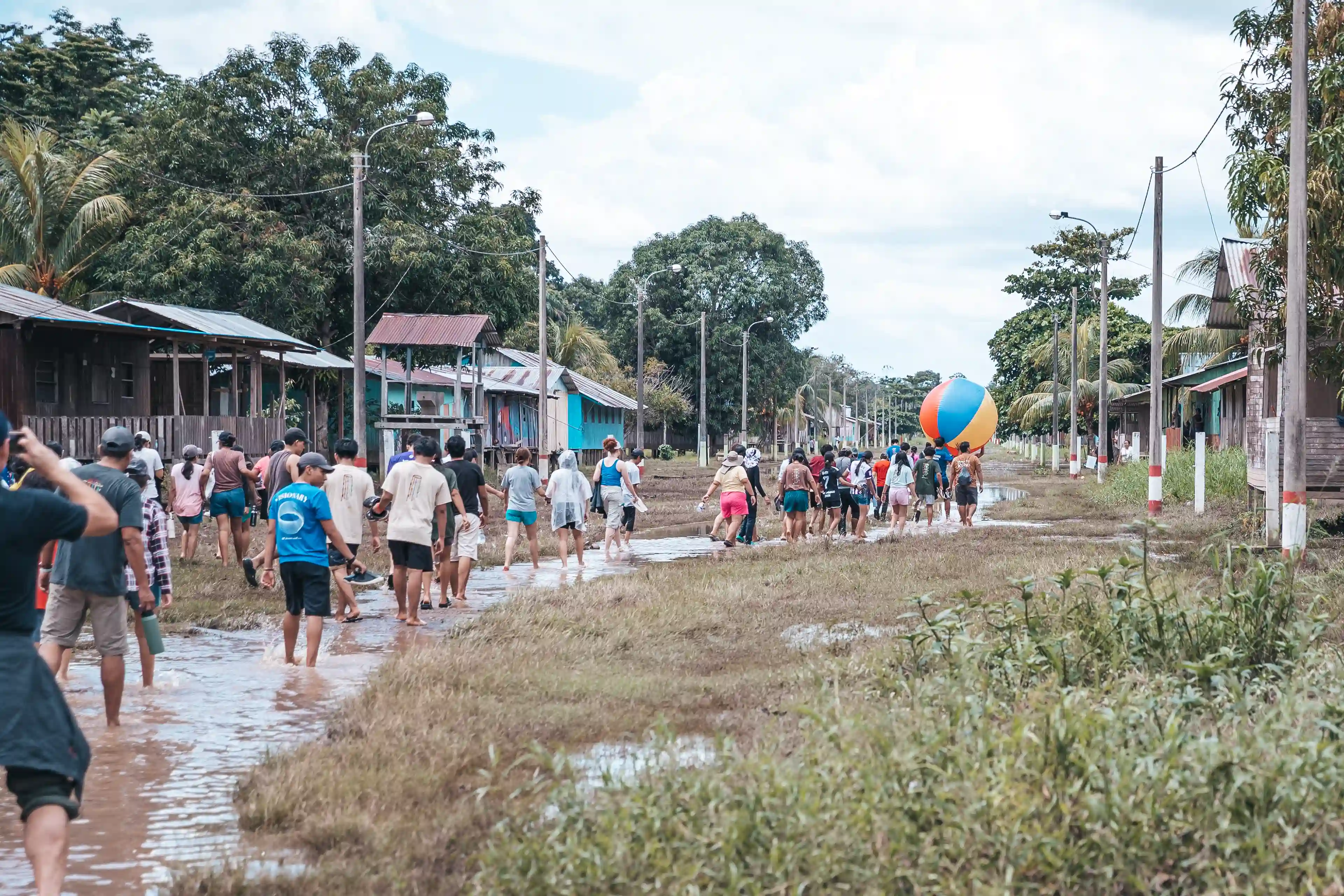
When the morning sessions of ministry training and small groups were complete, we spent a few hours on team-building and good old-fashioned fun. Along the way, local kids were invited to join the games and encouraged to attend a special program later in the week. A reasonably dry field lay inland, perhaps two city blocks from the boat. Getting there and back was slow and slippery, with more than a few wipeouts.
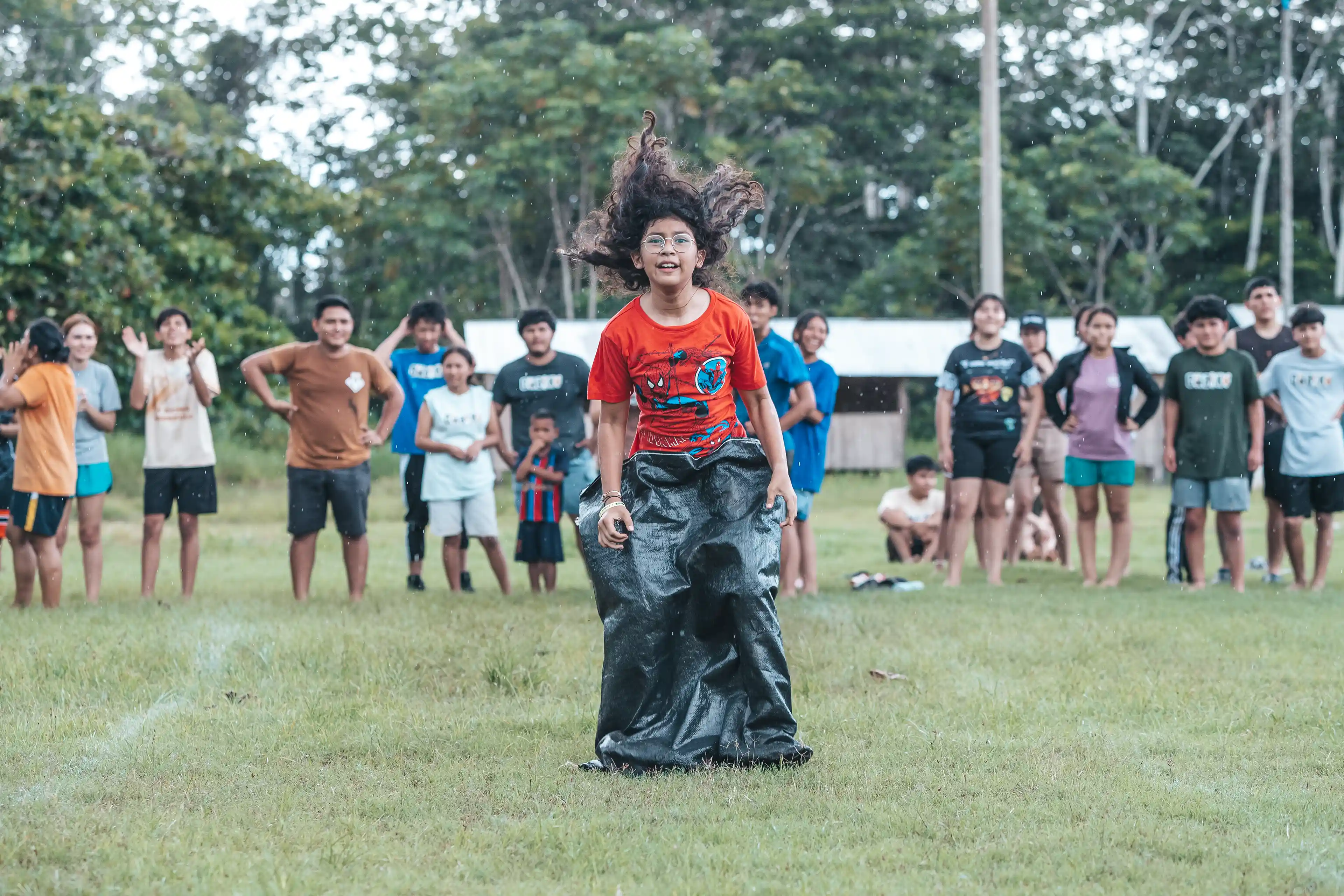
A light rain did little to deter the games, though we eventually broke for a brief but heavy downpour. I was impressed by the upbeat attitudes of these young men and women. Everyone participated. Shouts of encouragement and laughter filled the field from end to end.
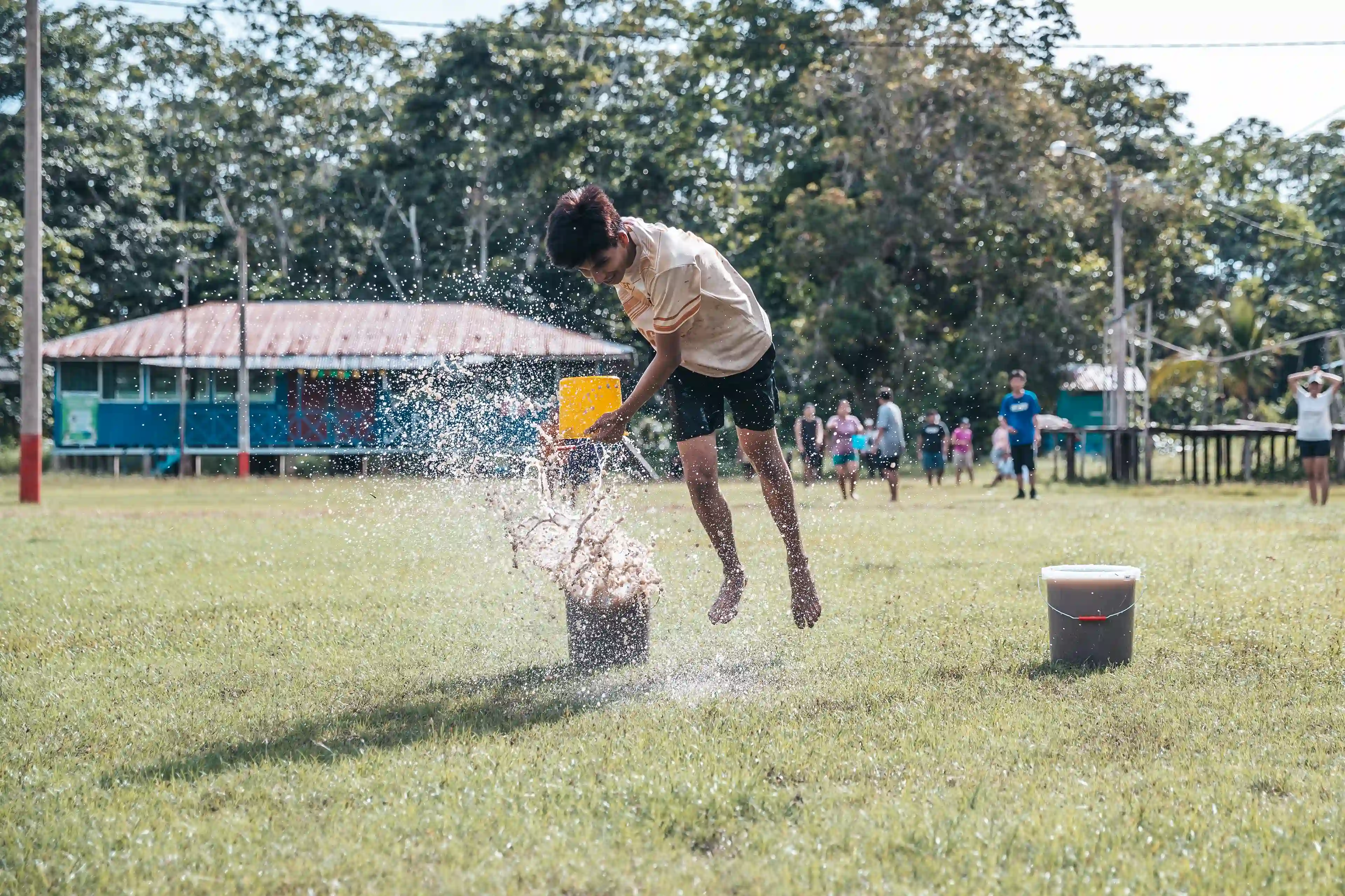
In this relay game, one player ran with a small bucket of water halfway across the course. A teammate met them there, took the bucket, ran to the finish line, and poured the water into a larger empty bucket. The first team to fill their large bucket won the game. This camper was more than a little enthusiastic about pouring. In the end, however, he splashed more water out of his bucket than he poured in. The winner came to a full stop and gently poured the water until his bucket overflowed. There’s a lesson in there, I think.
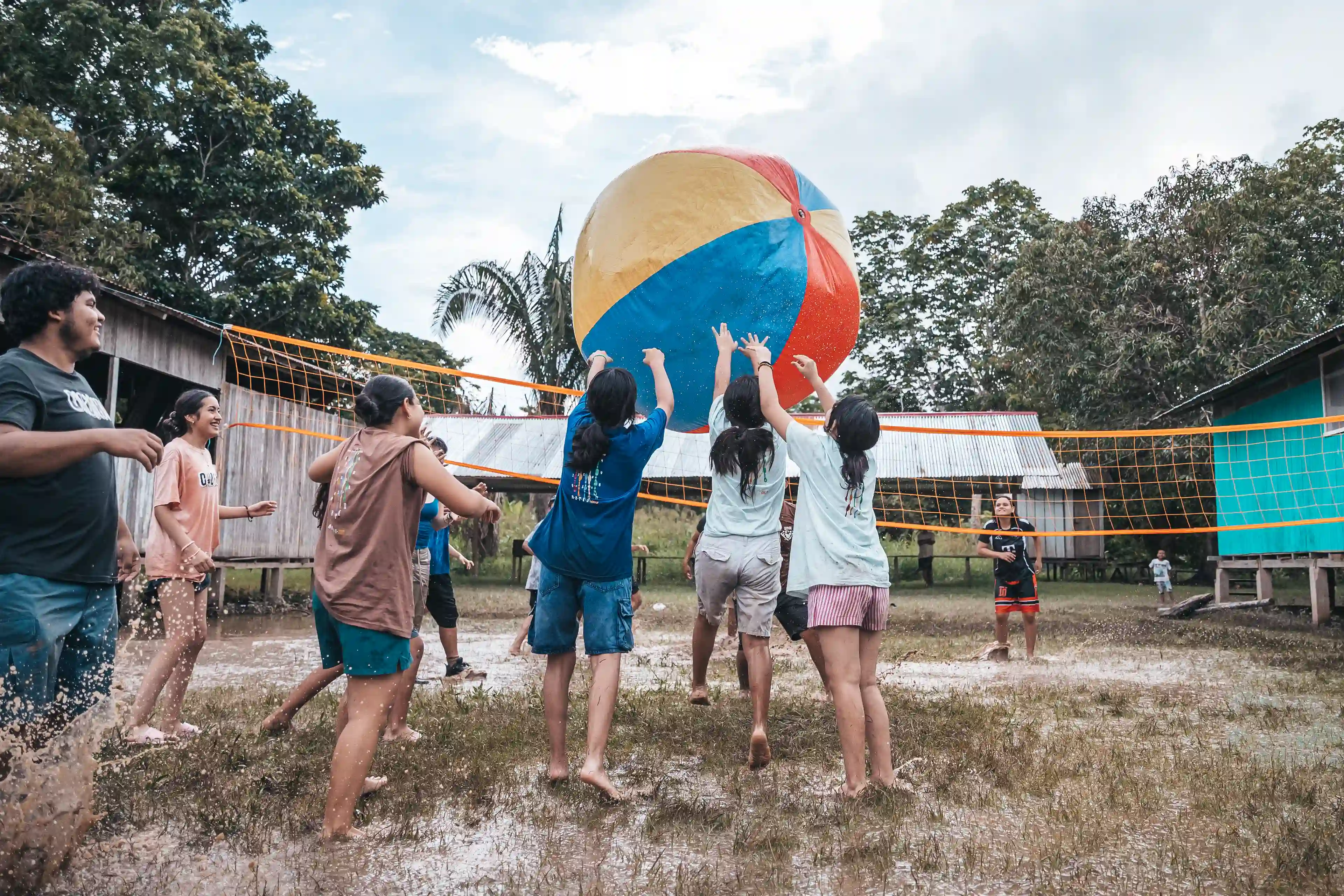
Giant beach ball + muddy field + energized teens = absolute mayhem. These teens definitely took volleyball to the next level and had a blast doing it.
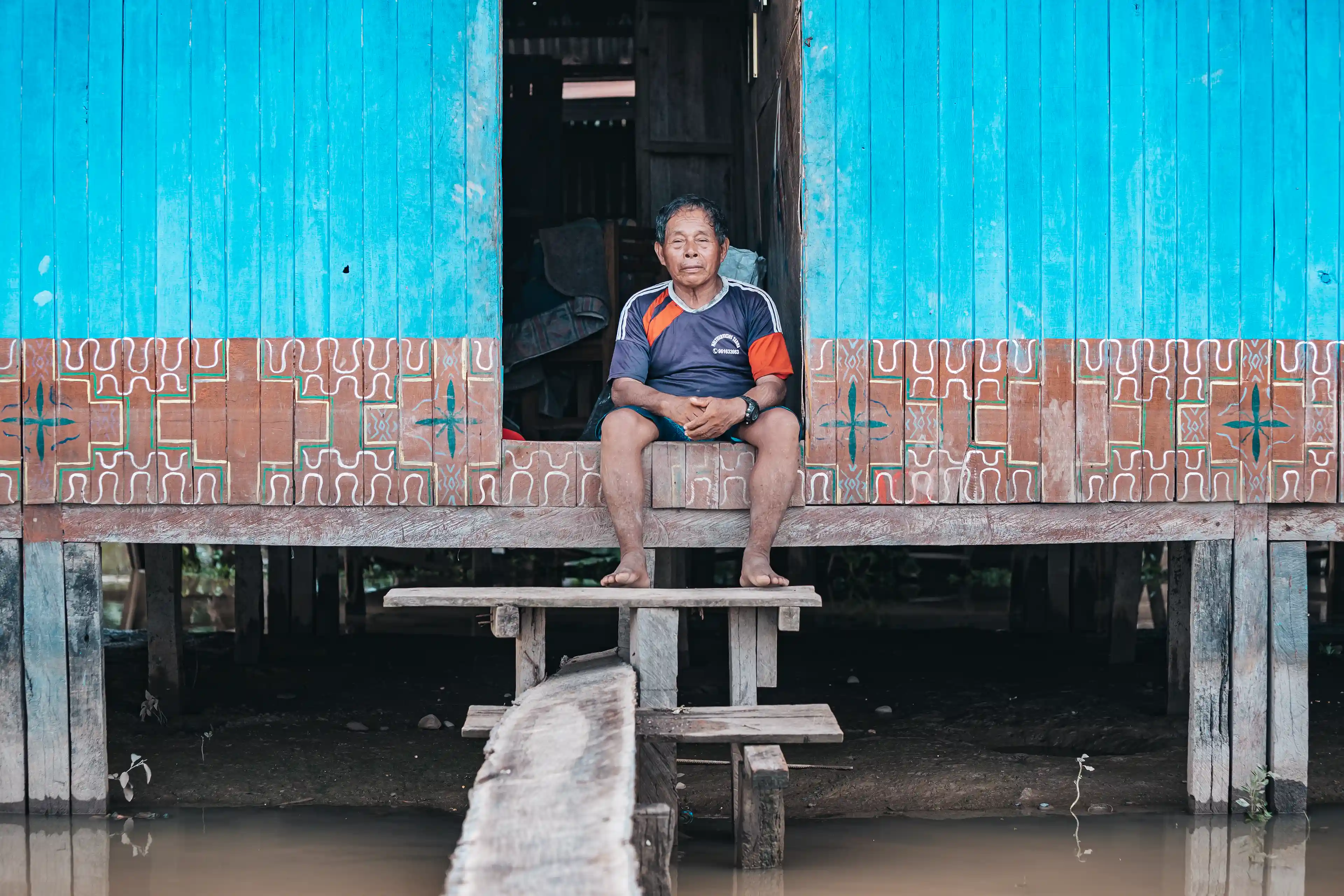
It’s not every day you see a crowd of 50 teens stream through your village! This kind gentleman was content to sit in his doorway and watch us come and go each day. If you look closely, you can see high-water marks that are higher than the threshold of his entry door.
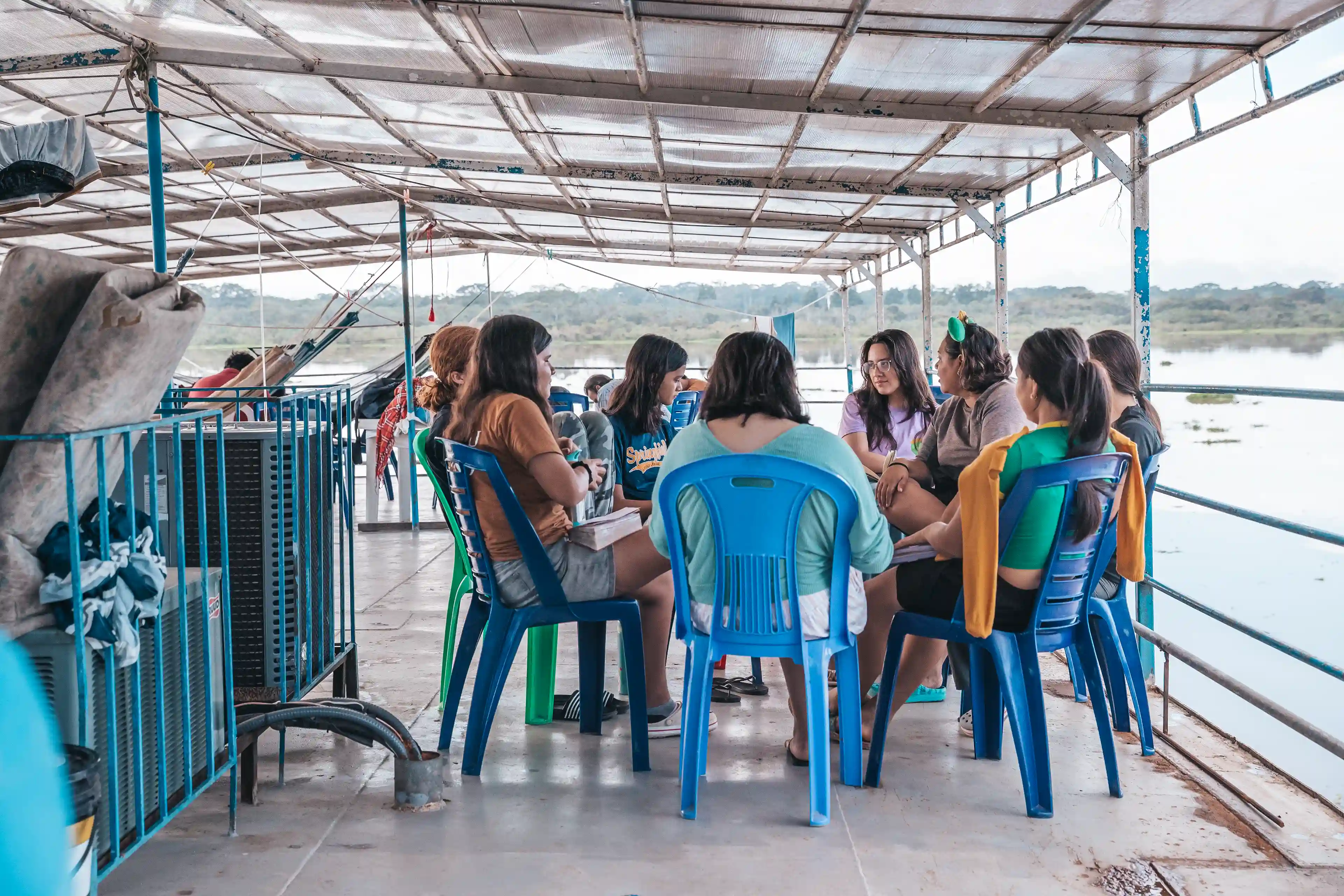
Small group times were a vital part of Boat Camp. They created space for deeper connections, reflection, and growth. This fueled authentic interactions and mentorship while guiding ministry training from theory to practice.
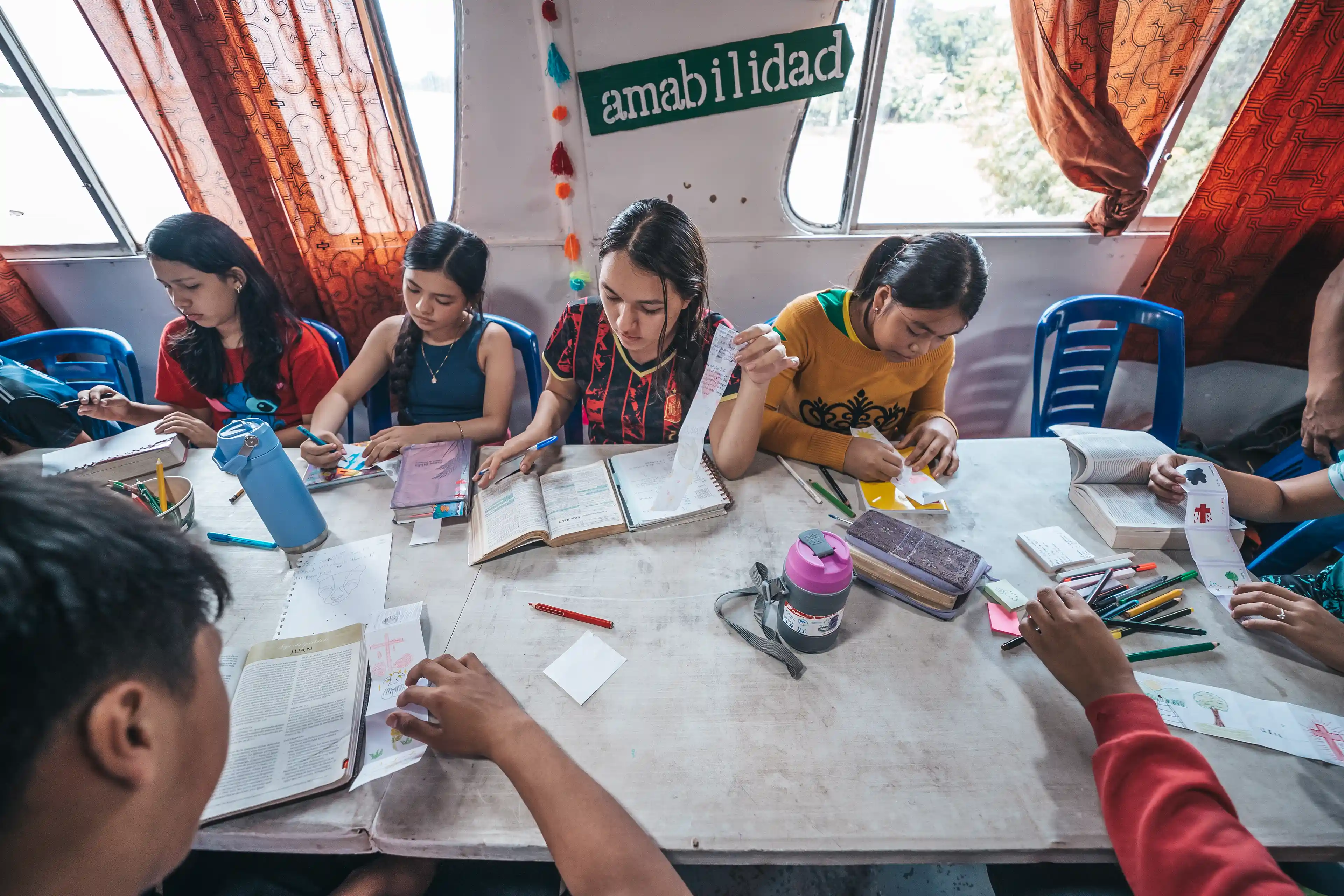
Each camper made a simple paper tool to help them share the gospel with children in nearby villages at an upcoming community event. Using hand-drawn pictures and accompanying verses, they infused the process with their own personalities.
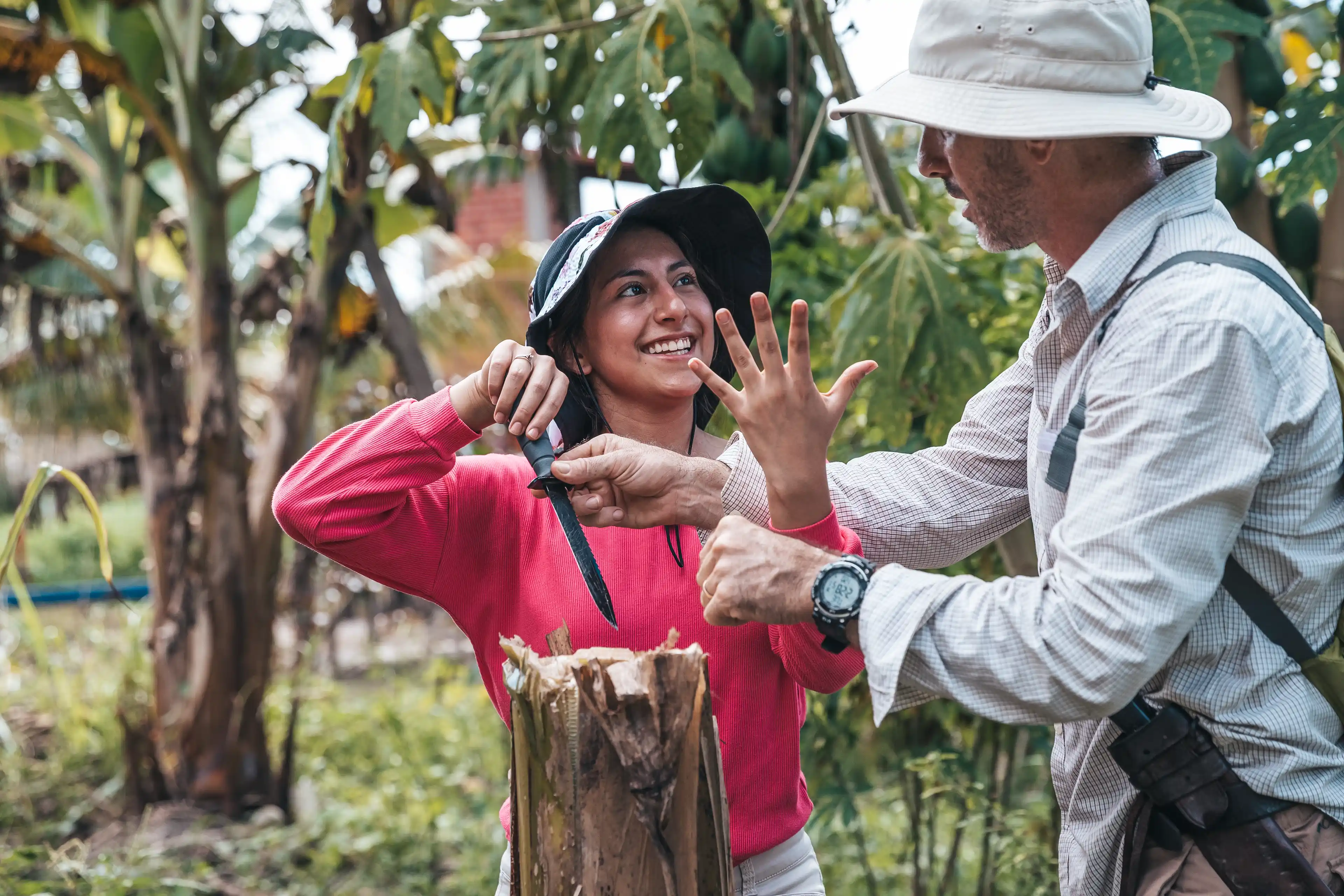
As I understand it, reaching unreached peoples in the Amazon River Basin’s jungles presents significant challenges—staying alive is just one of them! Campers got a taste of practical survival training during Boat Camp, with lessons on finding and purifying water, using a machete, building a fire and much more. Thankfully, no one lost any fingers.
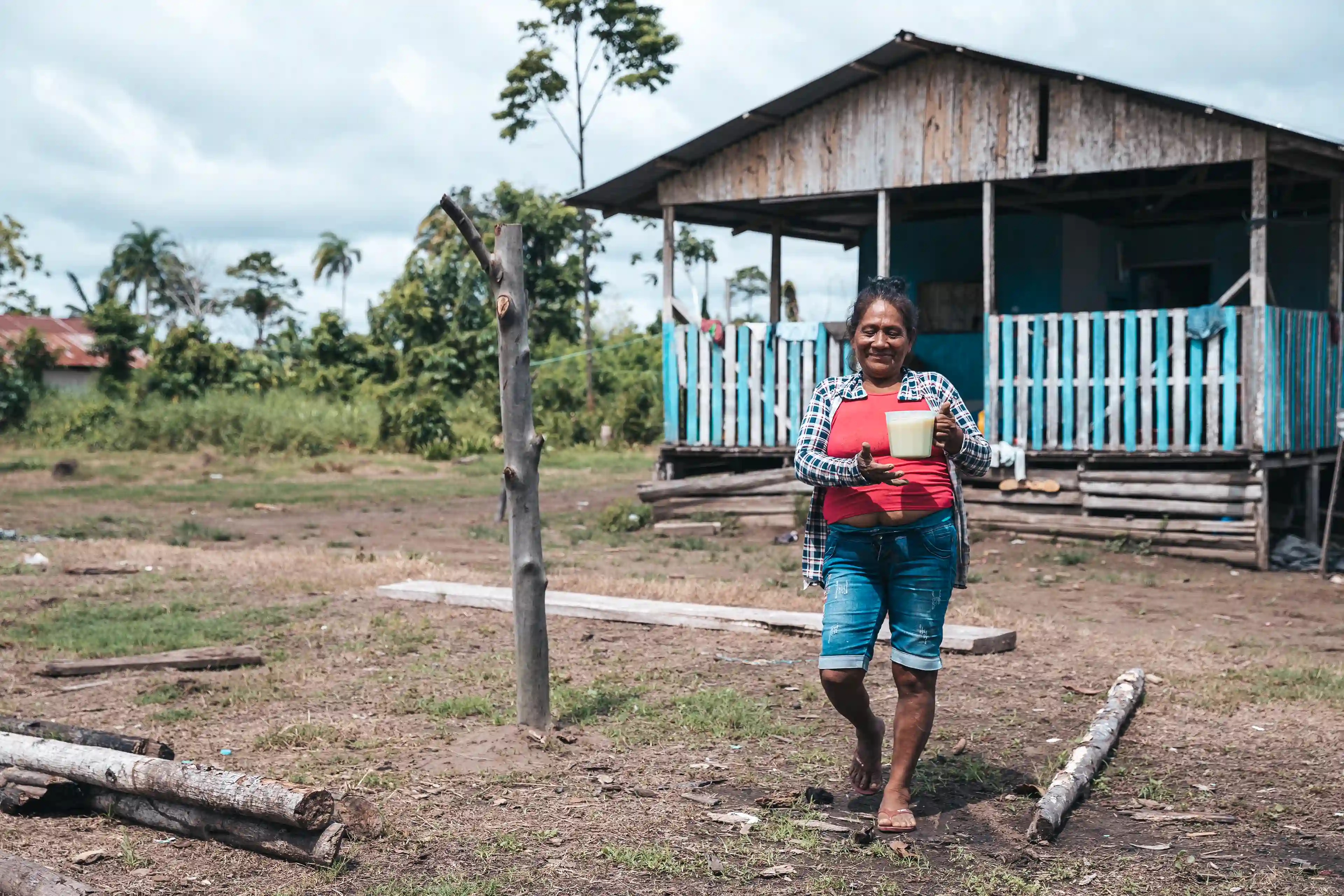
We docked at several villages to invite local children to an upcoming community program. The crew also traded diesel fuel and gasoline for fresh fruit and produce. At one stop, I tried masato. It’s in the plastic jug this local woman is bringing my way. Masato is traditionally made by boiling yuca (or yucca), which indigenous women then chew, spit into a communal vat and leave to ferment for several days. Salivary enzymes are said to break down the yuca starches into fermentable sugars, producing a sour, slightly musty drink. 10/10 would recommend.
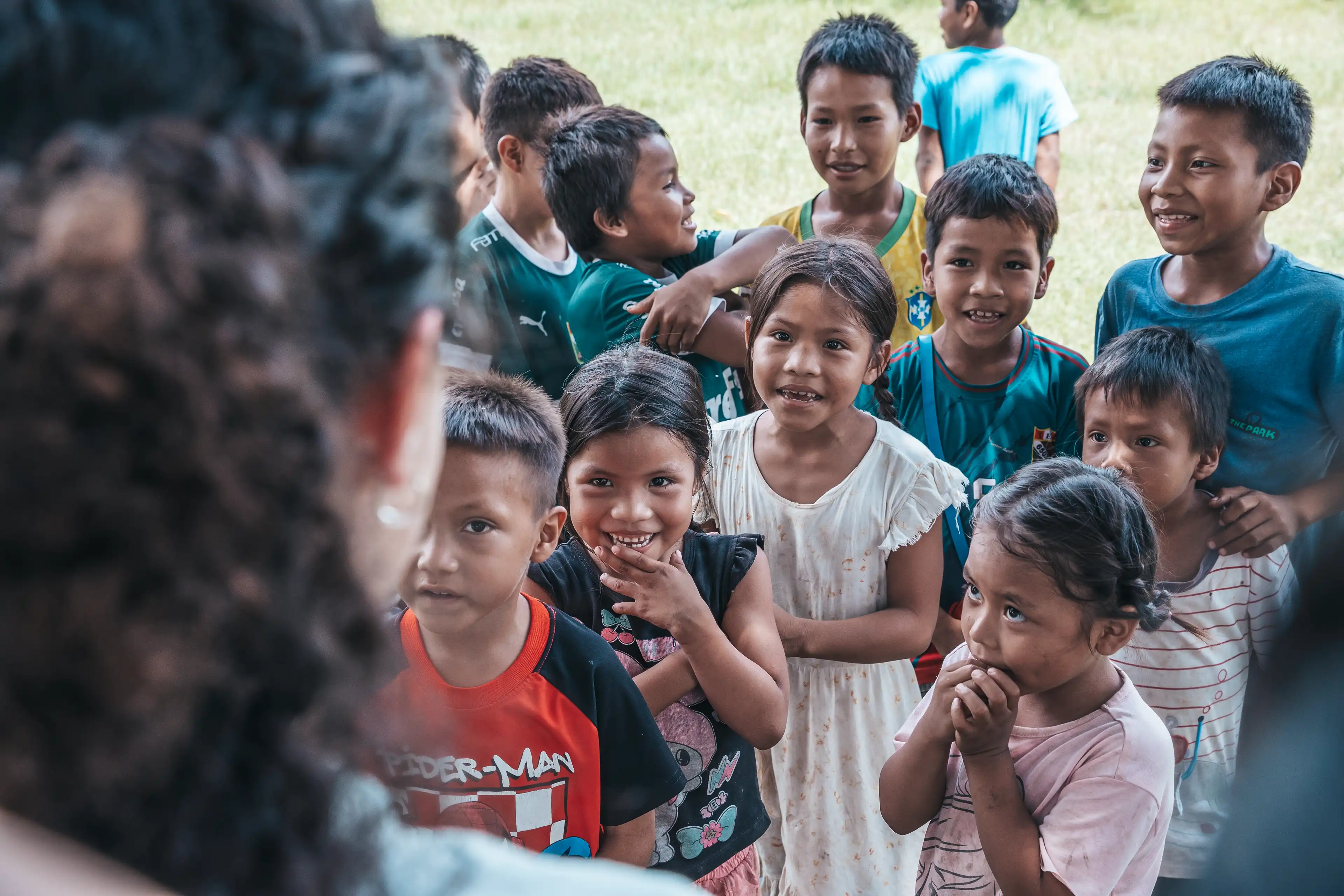
It was a thrill to see the campers reach out to local kids and invite them to join their community outreach program. Not only were they making the invitations, but they were also running the entire program from start to finish. From the message to the music, small groups and games, they were living out the lessons of the week.
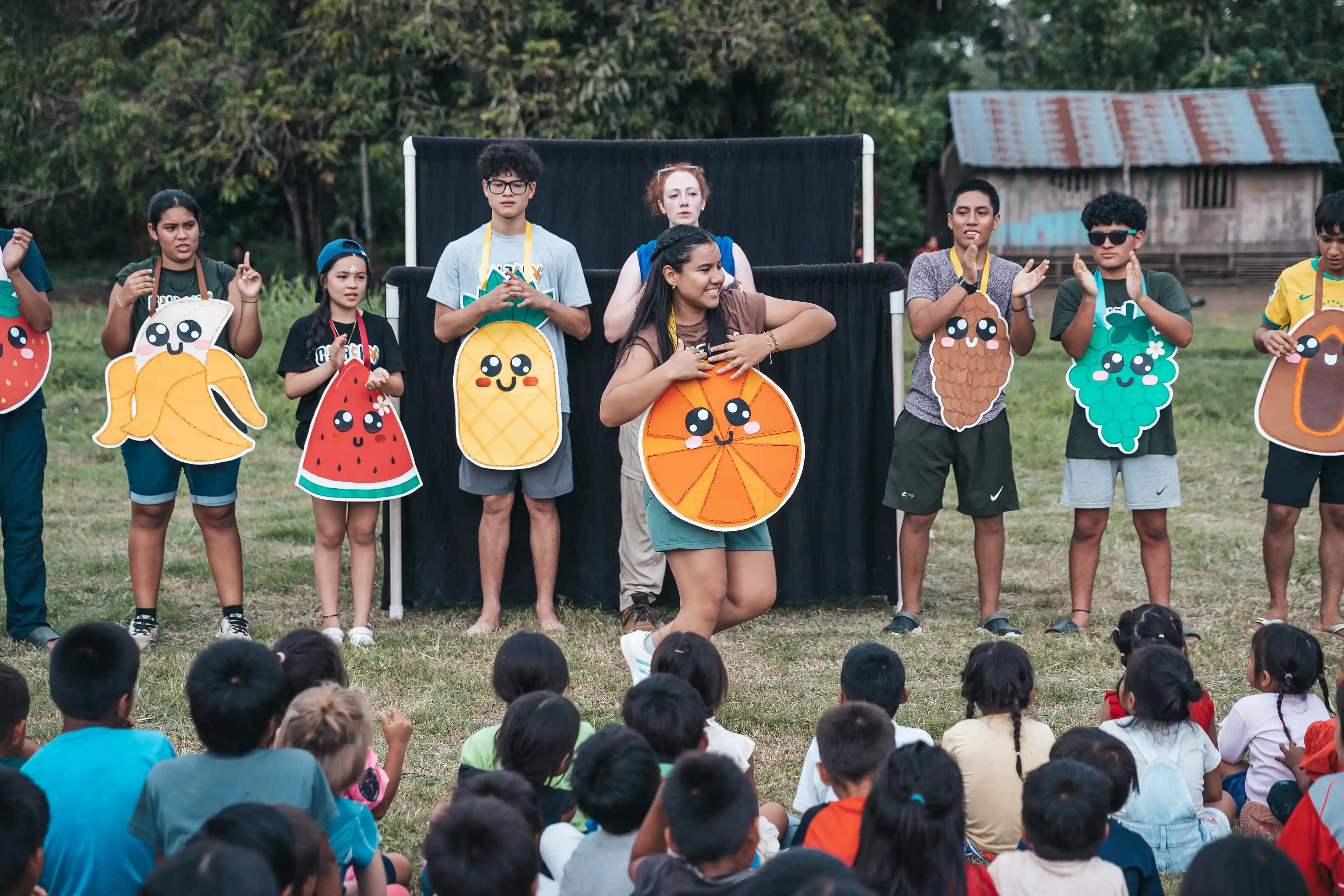
Though a puppet made a brief appearance, the campers didn’t hide behind the curtains. They put themselves out there, with their joy in the Lord front and center. It felt natural, honest and fun. I saw real enthusiasm and an authentic heart.
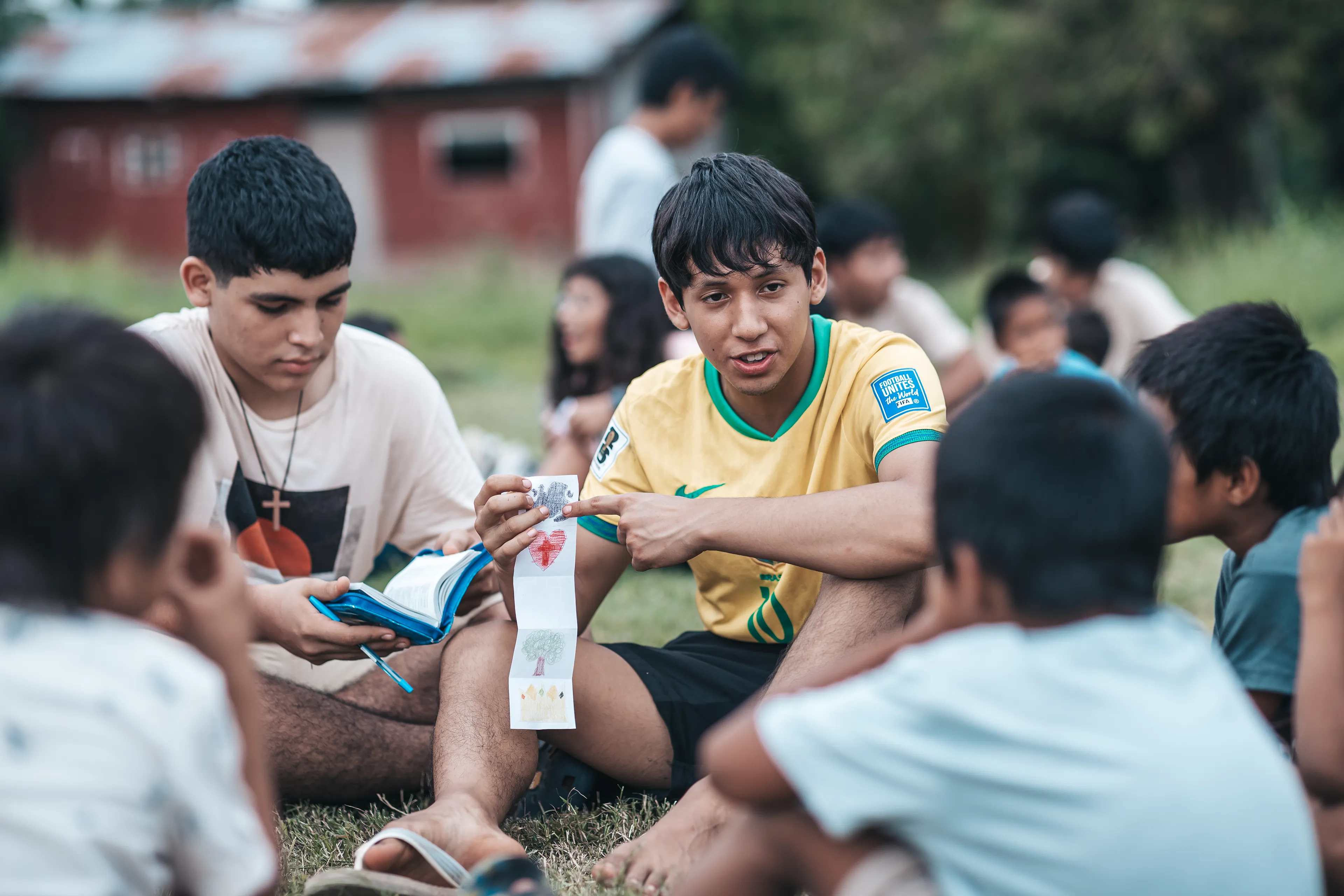
In pairs, the campers gathered small groups of children to share the gospel. They used Scripture, their artwork and their own words to express their faith and answer questions.
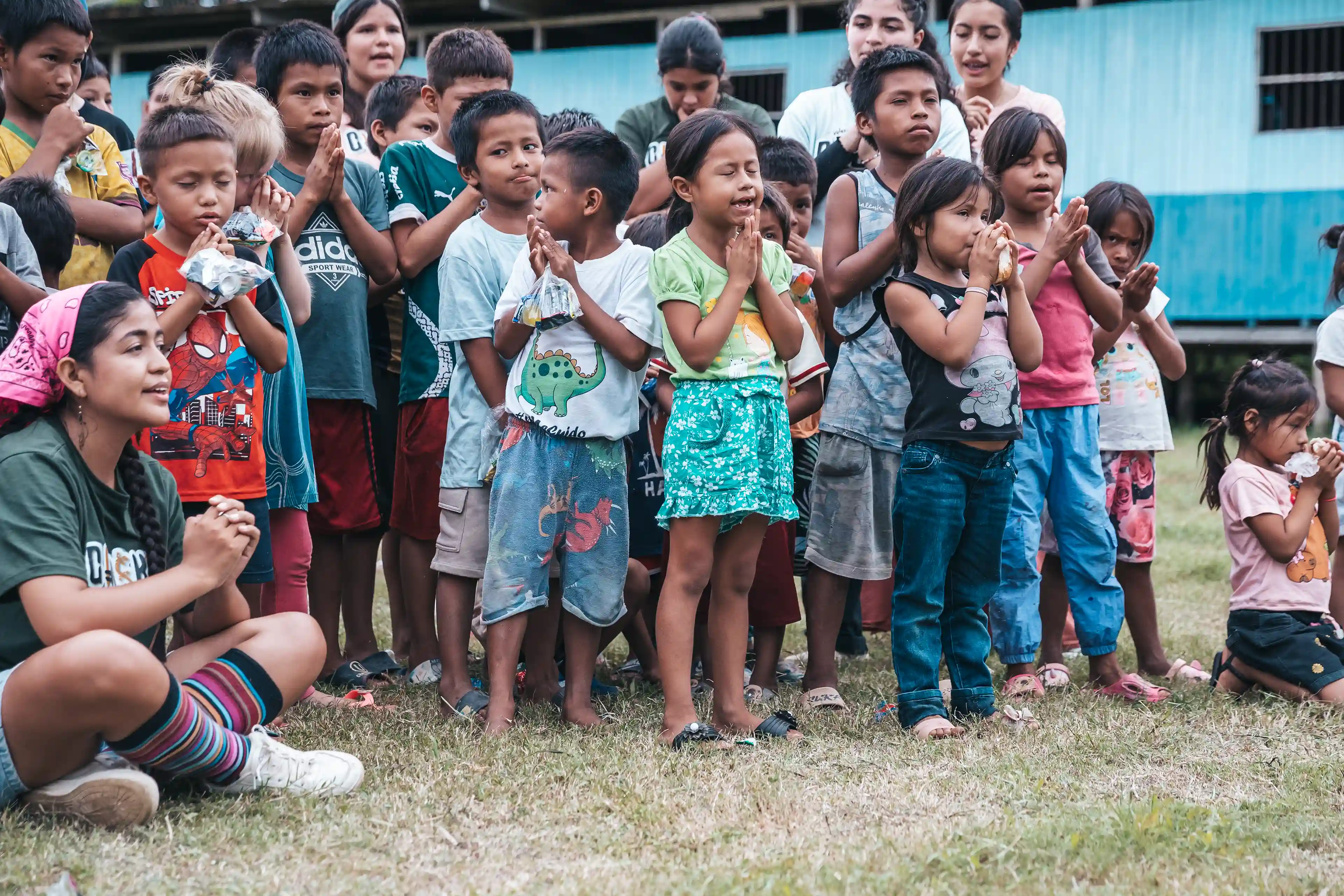
After the small-group time, the kids gathered for a prayer and to sing along to some worship songs. The campers had been using a battery-powered speaker to play the music, but it didn’t make it to the end. The campers didn’t skip a beat; they just sang louder. I was so proud of them in that moment.
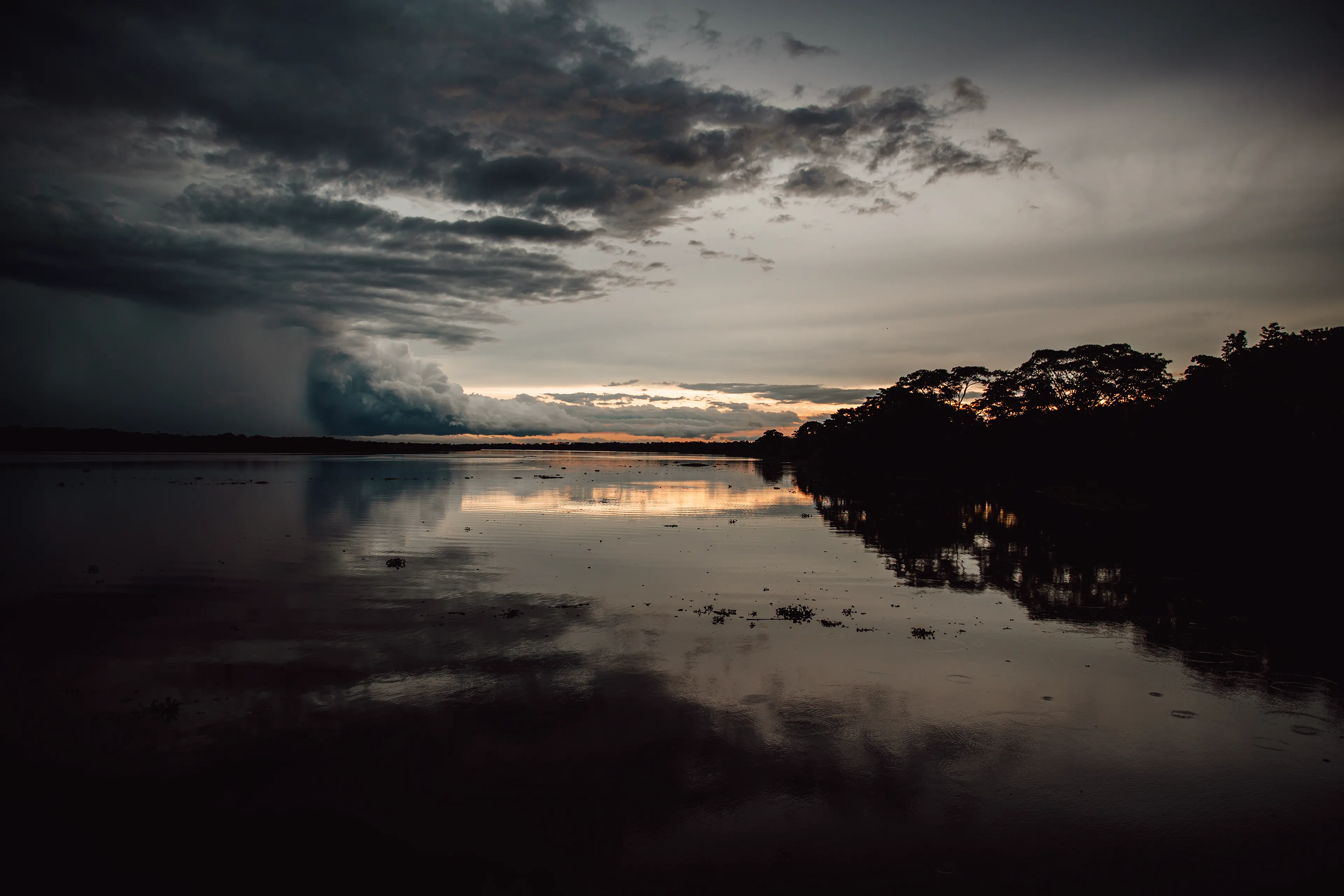
It seemed to me that just as the community outreach program ended, the rain began to fall. As we headed downriver, the boat’s outer passageways were awash with rainwater. I’d estimate visibility was less than half a mile. By sunset, the storms had moved on, and you could see them near the horizon. It was remarkable to see where the cloud wall formed a line of rain.
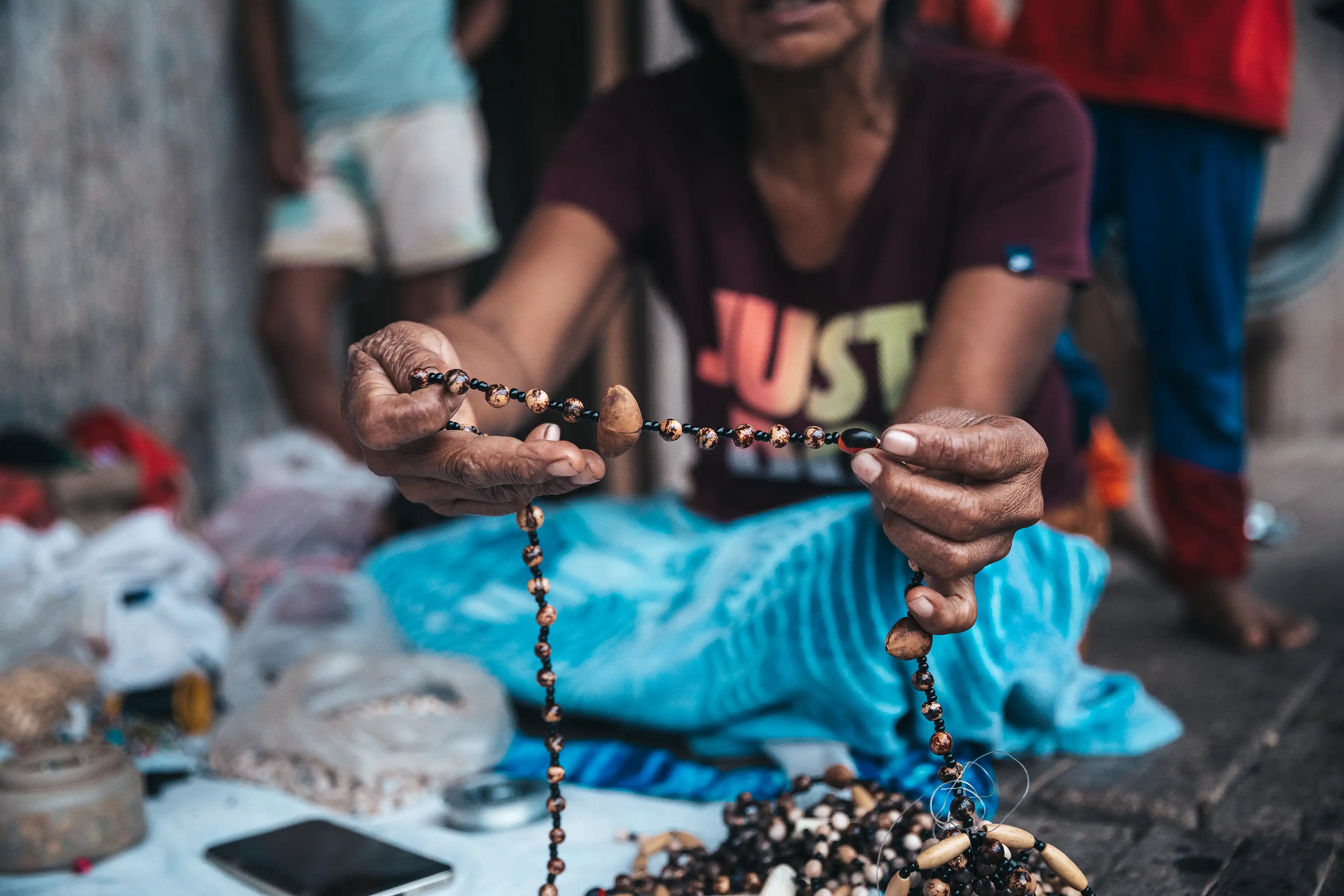
During one excursion into the village, several of us stopped to speak with a local woman and her family, who were seated on their covered porch in heavy rain. She was fashioning bracelets and necklaces from beads, seeds and even crocodile teeth. As I understand it, selling these handmade creations is a primary source of income. Her husband had suffered from a lack of medical care after a snakebite. The venom had left him partially blind and with reduced use of his left hand. So, she was now the breadwinner. I gladly overpaid for everything I purchased from her, and we prayed for her, her husband and their children.
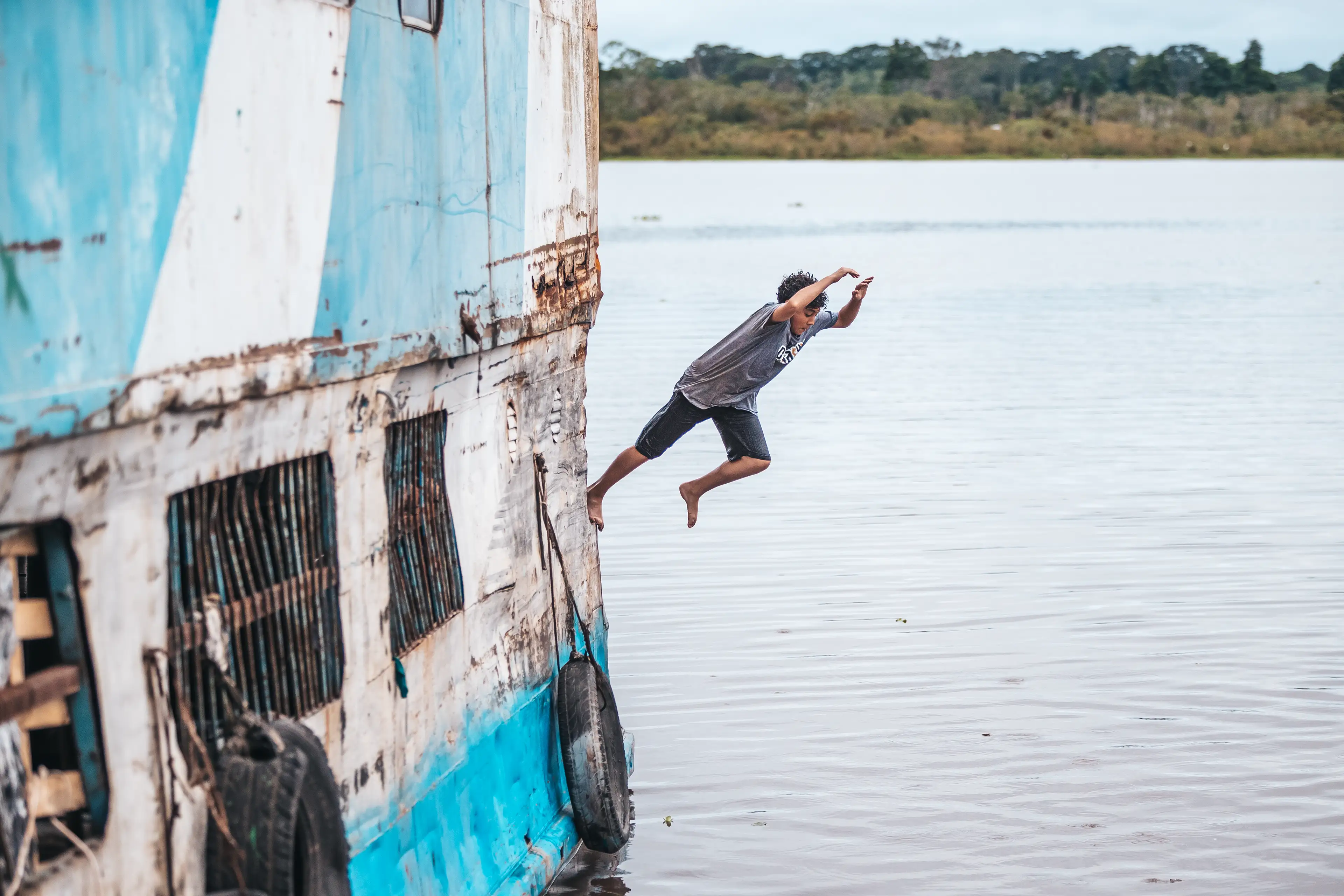
The last full day of Boat Camp was hot, humid and the perfect time for a dip in the river. With leaders standing by and life jackets on hand, we jumped from the back of the boat. There's just something about taking that leap, letting go and plunging in. It seemed to me that even the leisure activities held purpose and meaning.
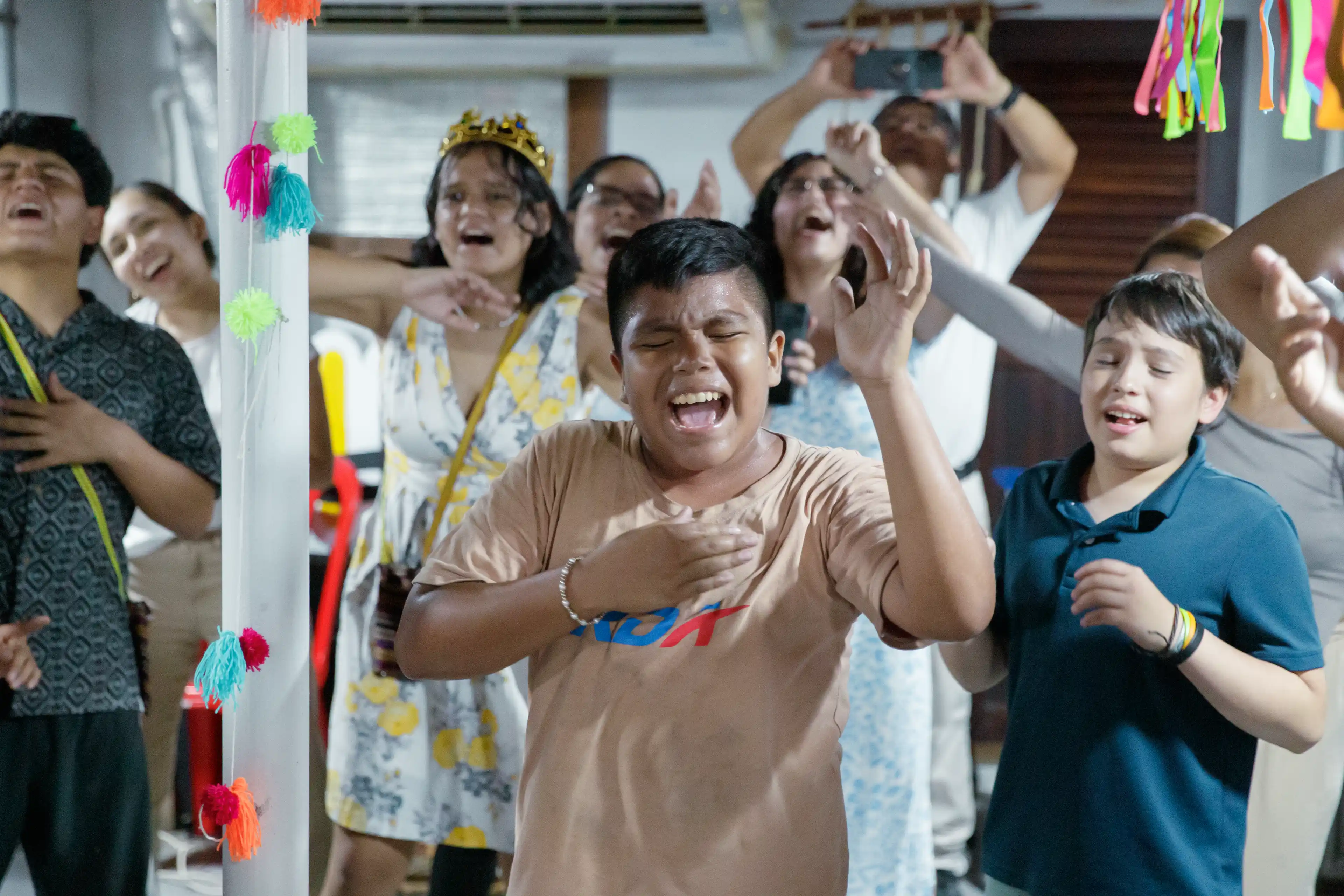
A time of spontaneous worship and praise followed the closing program. The sound system was turned up to 11, and laughter, singing and dancing filled the space. It was incredible. As a non-Spanish speaker, I could not understand most of the words being sung, but my heart was filled with the passion in their voices. Tears streamed down my face, and I worshiped that night as I had not in a long time. I’m so very thankful for that gift the Lord gave me through Boat Camp.
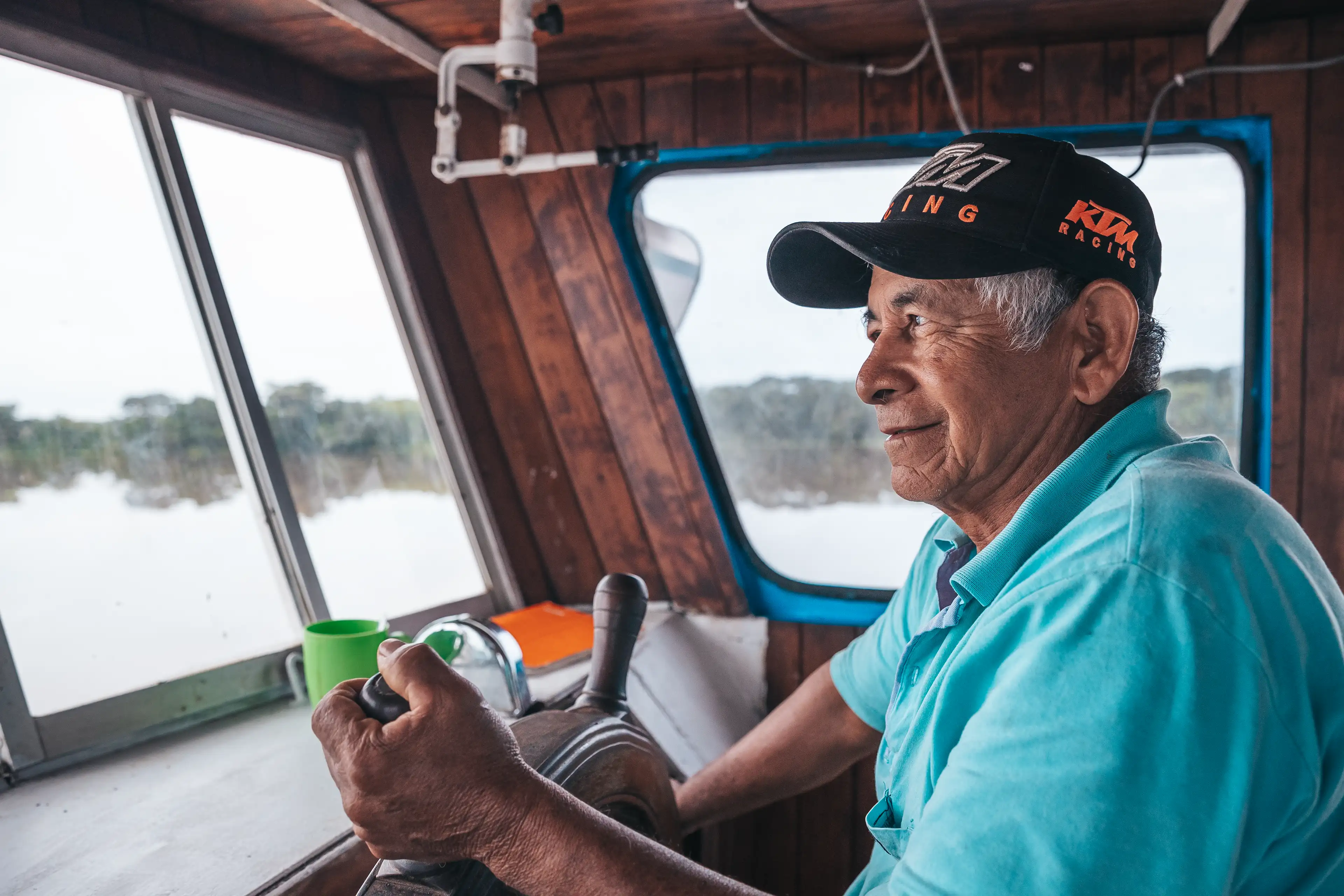
This well-seasoned pilot was just one of an incredible crew. It was easy to see how they worked together, helped one another and served others. From my perspective, God took their labor and transformed it for His glory. “For from him and through him and to him are all things” (Romans 11:36).
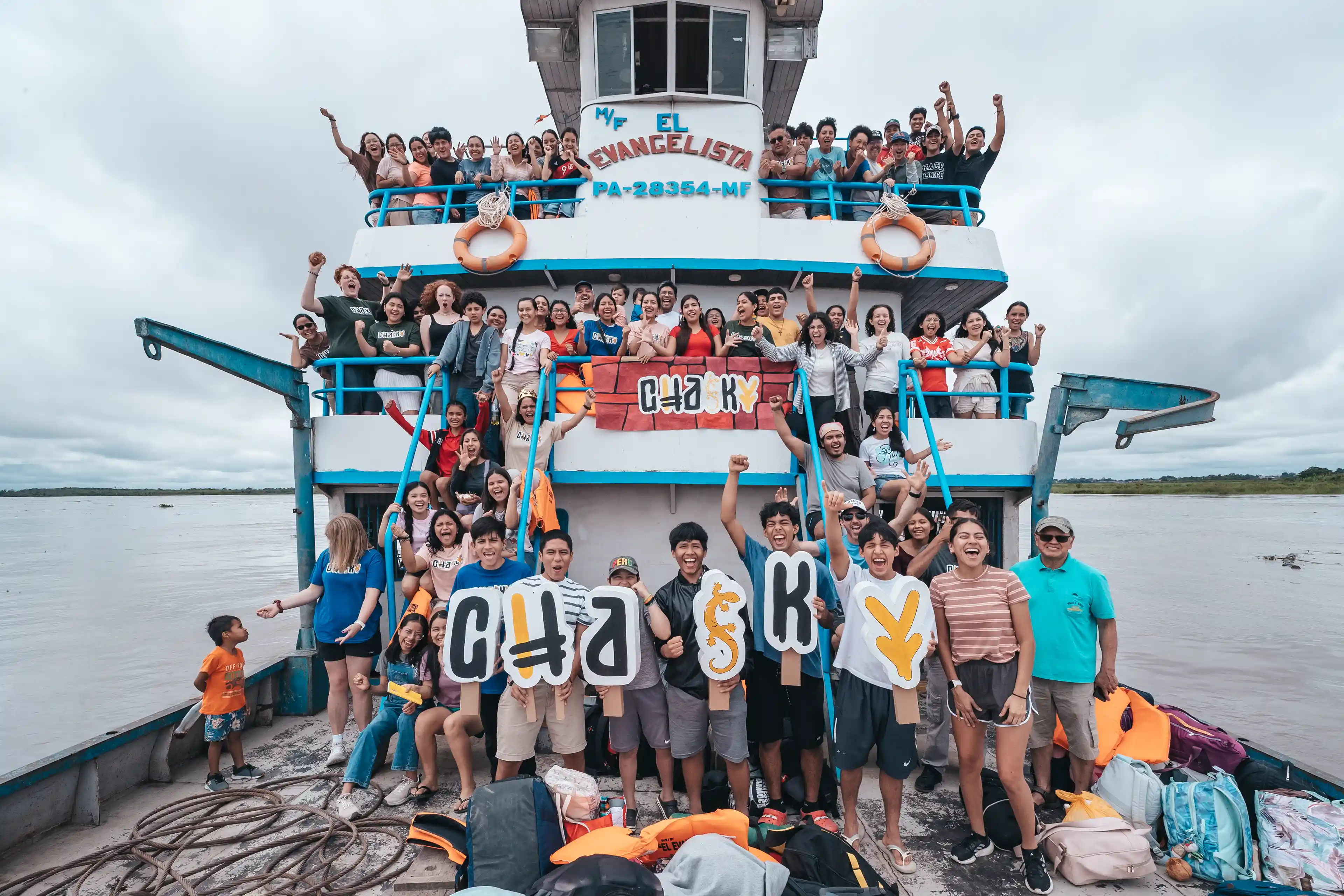
This photo is brimming with joy and hope, enthusiasm and praise. I can’t imagine all the Lord will accomplish through this gathering. Pray with me that the Boat Camp experience will bear fruit in their lives and make an impact among the unreached people of the Amazon for the glory of God.

Take the Next Step

Read about miracles deep in the Amazon jungle.

In this episode of Relentless Pursuit Podcast, we talk to Dave about the integration of making disciples and sustainable agriculture in the jungles of South America.

Visiting an East African city, we joined a local brother for community outreach in a lower-income neighborhood. Can you see yourself ministering in a community like this?
Going Deeper
Check out these other related articles


.jpg)
.jpg)

