Hard Places: Face to Face With Unreached People
The gospel won’t reach these people by accident.
This box is used to determine what content is shared through the social share feature. This will not be visible when published to the live site.
Twitter Share Info:
pioneersusa
Copy to Clipboard link:
Code & Content Empowering Email Share Functionality
Last updated on
I’ve traveled to parts of the world where the gospel must go by foot—places with no churches, and sometimes not even a single known believer.
In other areas, a few believers exist, but not enough to reach their own communities without outside help. Many people in these places have little or no access to the Good News.
Pioneers teams are helping change that. Come be part of it.
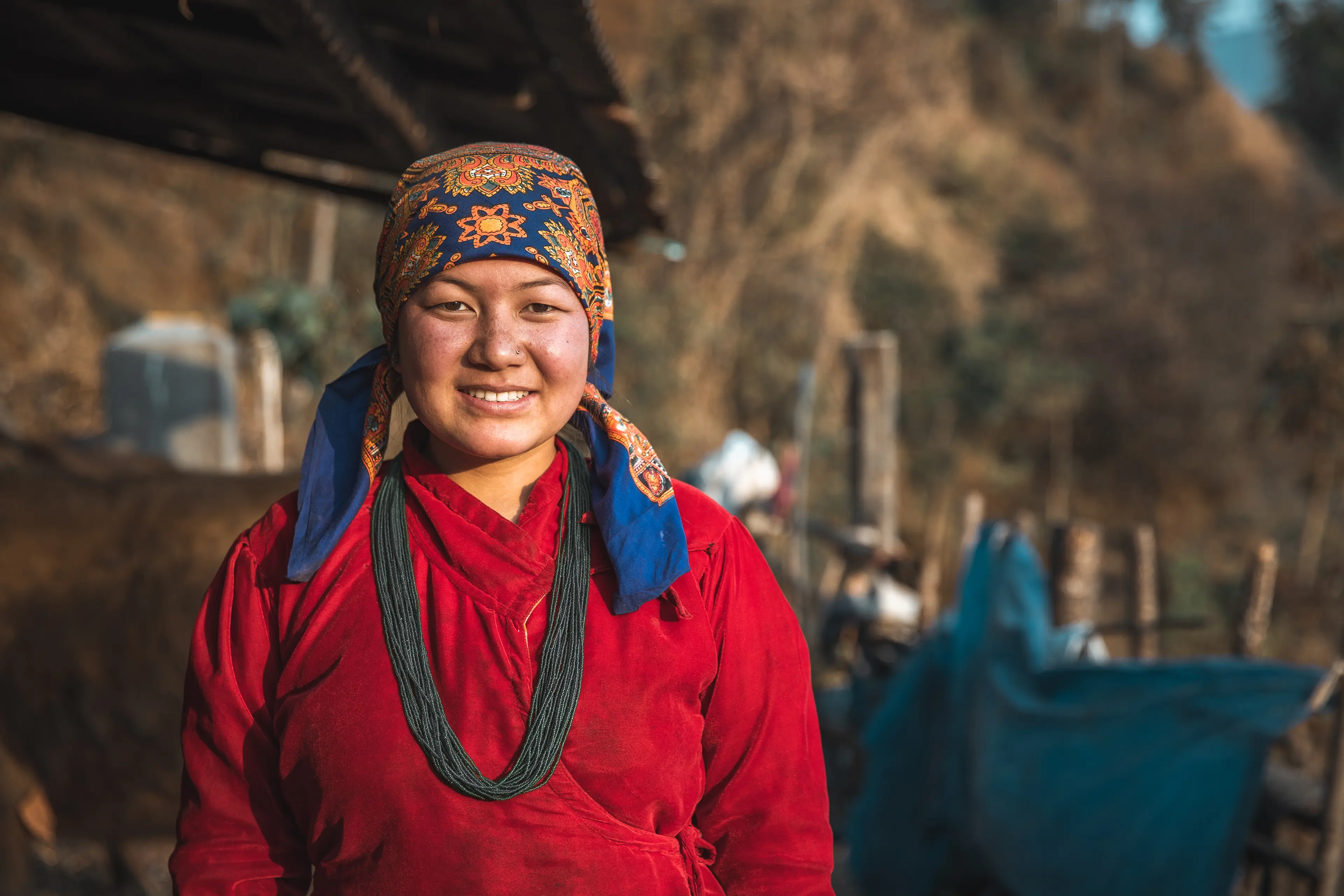
The Shaman’s Daughter
I took a bus as far as it would go, then trekked higher than I thought possible. That’s where I met this young woman. Her father is the village shaman, but she now follows Jesus. She passed from death to life when a missionary literally trekked into the mountains to live in her village and live out the love of Christ there. I think that’s beautiful.
Her country is home to almost 200 people groups, 184 of them unreached. That means that 95% of the ethno-linguistic groups in her country have less than 2% evangelical Christian adherents. These groups lack a self-sustaining indigenous church capable of evangelizing their own people without outside assistance.
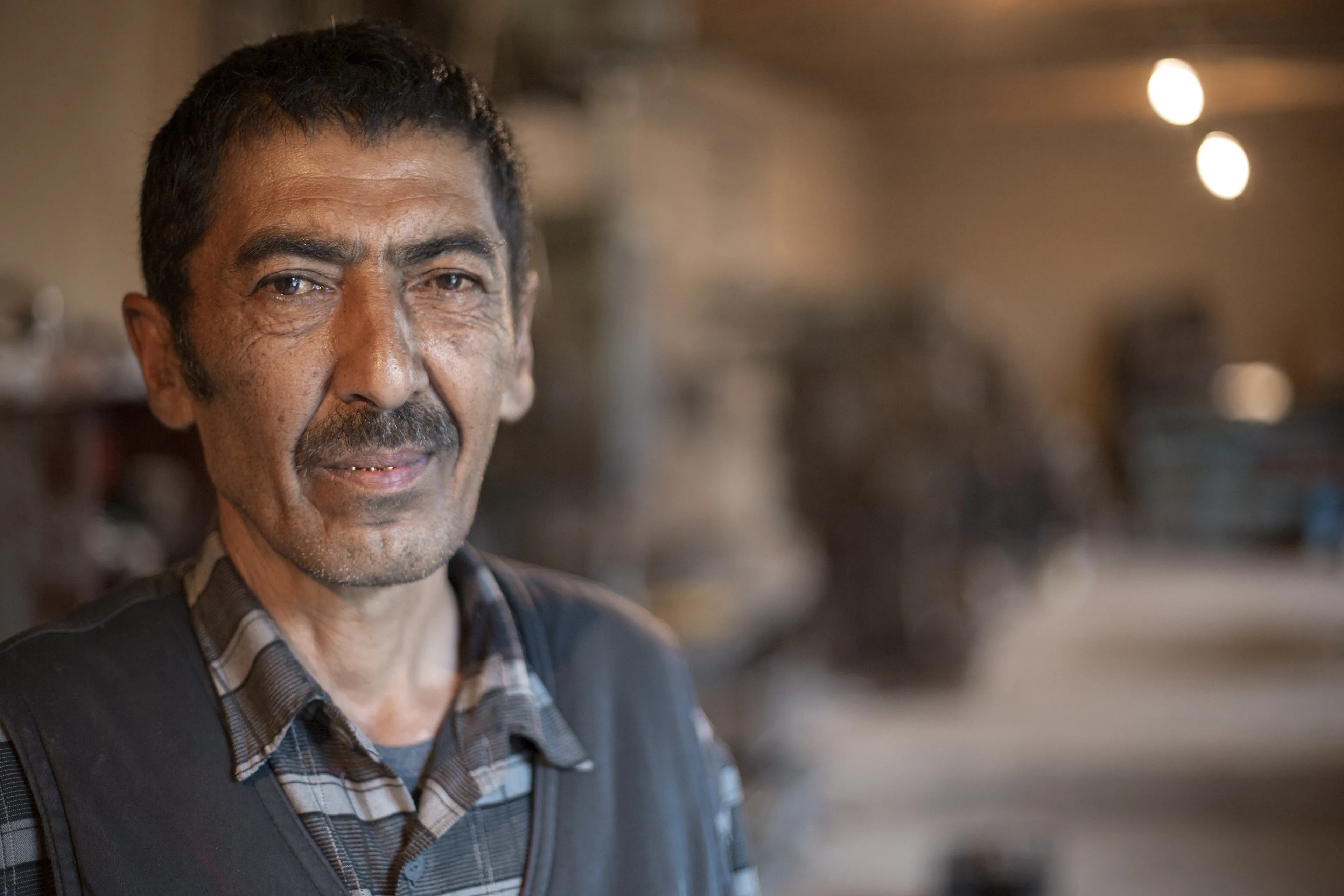
The Family Man
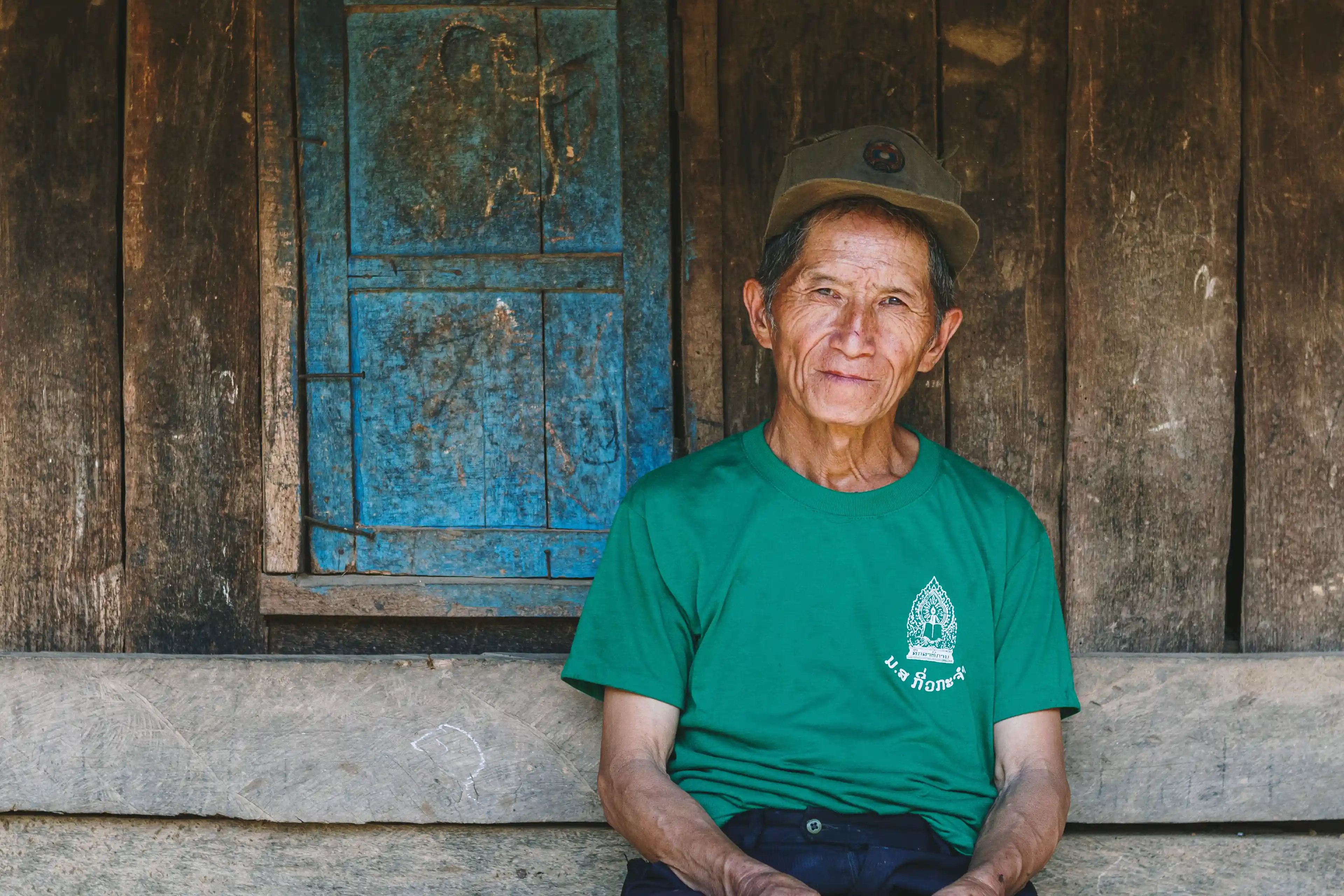
I met this man in a landlocked country in Central Asia. His home was part of a multi-generational family compound, a collection of buildings facing a shared courtyard. There were fruit trees, a substantial vegetable garden and even an outdoor cooking space. Later, he showed me around his machine shop where he fashioned all manner of things to keep his farm equipment in working order.
Family bonds are strong here, and elders are highly respected. I couldn’t help but think of the impact a father could have if he put his faith in Christ Jesus, opening a door to the gospel for many generations. Today, less than .1% of his people group are Christian.
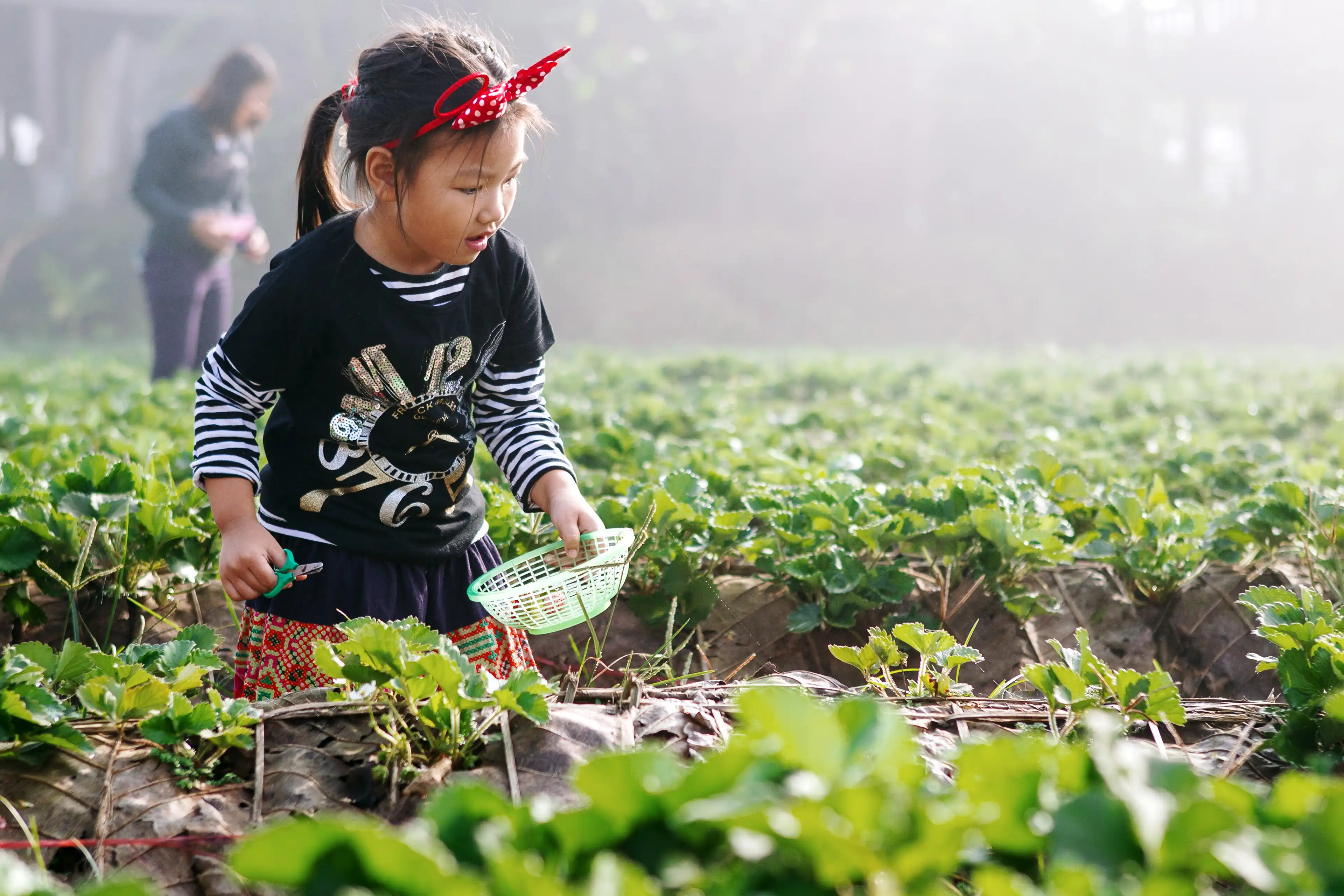
My Neighbor
Some of the first English words this little girl and her sister learned were lines from worship songs my daughters taught them as they played together in the street. We’ll never forget them coming over with seafood pizza on our first Christmas Eve in Southeast Asia! As we grew closer to her parents, we gave the family a Storybook Bible in their heart language another Christmas.
And oh, we cherish the sweet memories of the many family outings we shared. Ten years of sowing seeds found us dear friends, but still one Christian family and one Buddhist family.
See also Highland Home: Snaps from a Life in Southeast Asia.
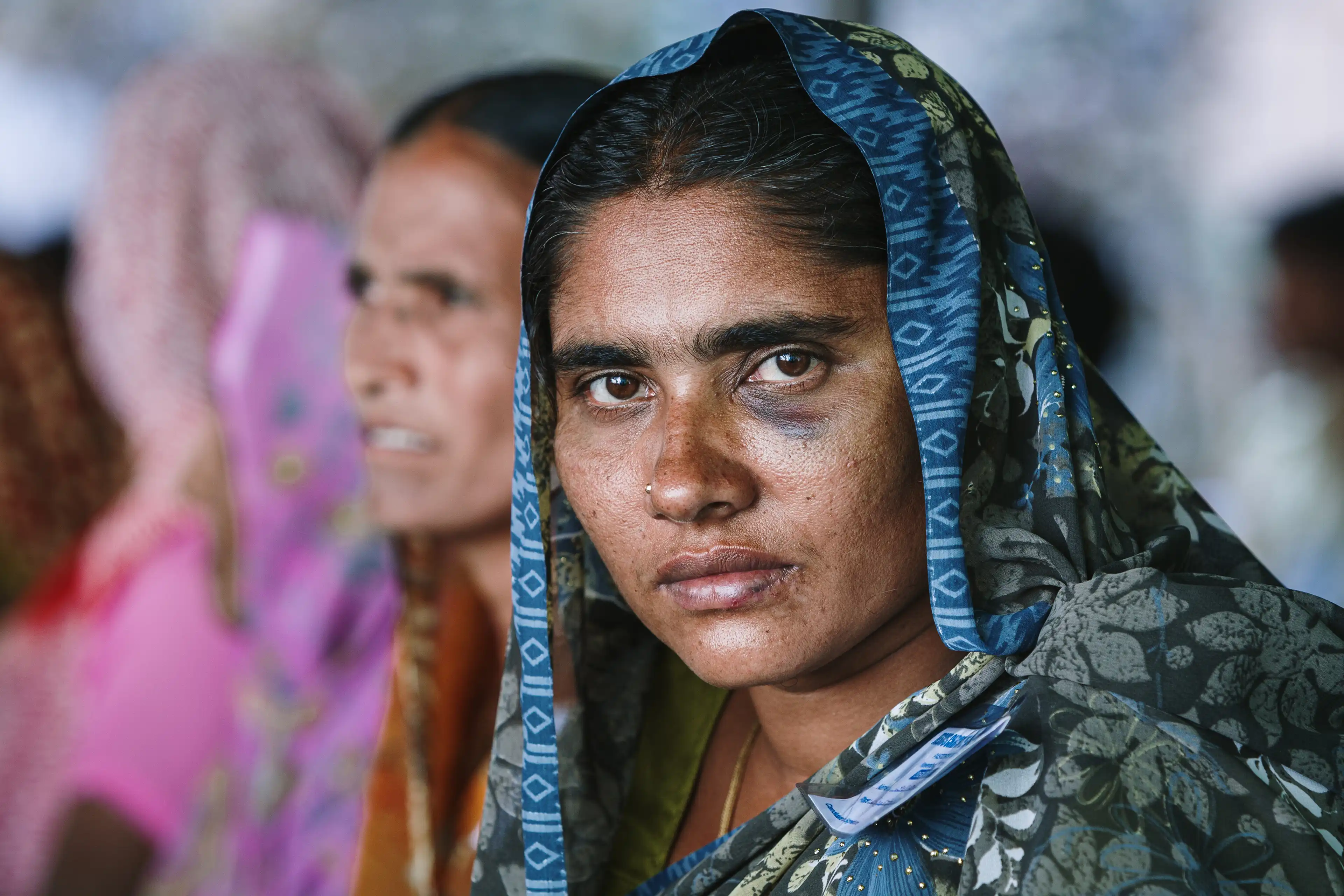
The Battered Wife
Imagine taking a beating and being forbidden to attend a Christian gathering by your spouse—then going anyway. Even where following Jesus is not illegal, anti-conversion laws are common in many parts of the world—including this woman’s hometown. In some places, men of another faith are allowed and even encouraged to marry Christian women to prevent them from marrying Christian men and having Christian children.
Sharing the Good News in these contexts takes wisdom, discernment and much prayer.
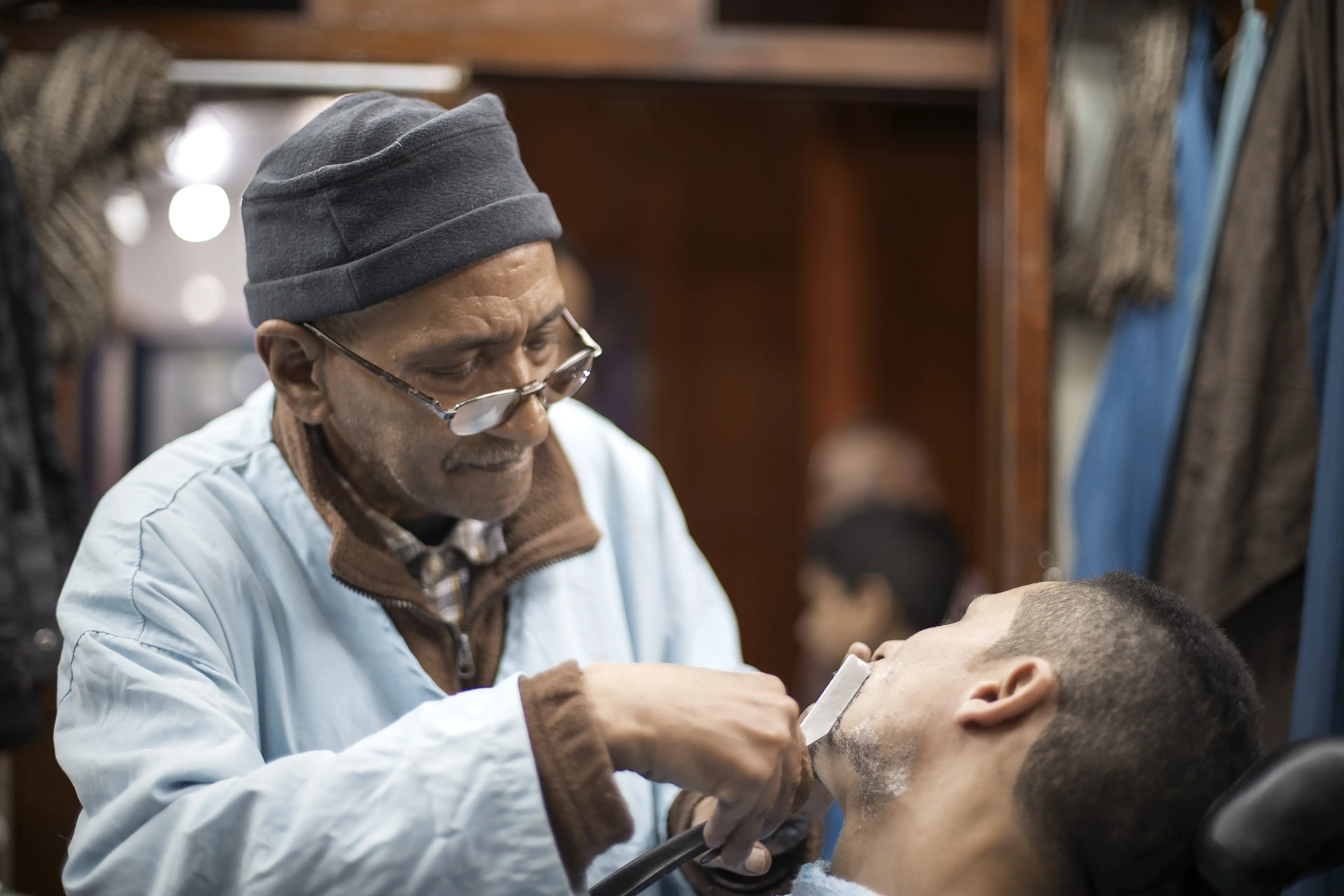
The Barber
In a warren of souks, I noticed a bespectacled barber holding a straight razor. Stepping into his shop felt like entering a tiny time capsule. After getting permission to take a few photographs, I snapped a few frames and waited. I couldn’t resist getting in his chair.
Imagine learning a local language and regularly engaging with a neighborhood barber. It’s such a natural place to build bridges and connect—though I don’t recommend chatting during the shave!
Note that the criminal code here prohibits proselytizing Muslims. It’s punishable by small fines, six months to three years in prison or expulsion from the country.
See also From Souk to Sea: A Trip to North Africa.
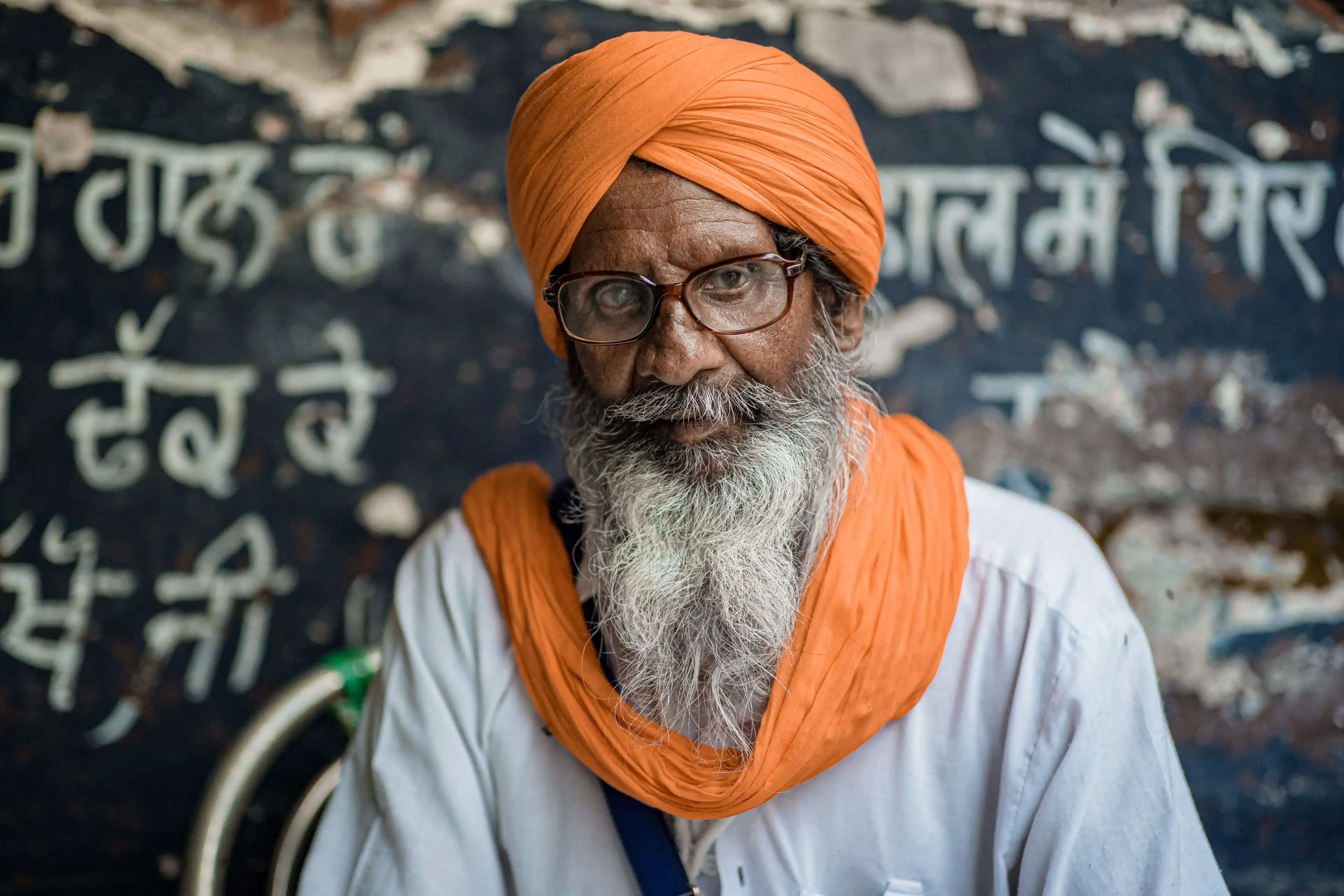
The Man at the Gurdwara
Adherents of Sikhism gather together in a place called a gurdwara—a temple and community center. There’s a place for worship, learning and even a community kitchen, all run by volunteers who consider serving an act of devotion and humility. I met this gentleman outside, as I helped peel a mountain of potatoes.
The kitchen was seriously impressive. Picture massive cauldrons and enormous mixers, pallets of rice, lentils and flour. The smell of the spices was amazing. In the bustling dining hall, I sat on the floor in a row with others, a symbol that no one was higher or lower than another. We enjoyed a seriously delicious vegetarian meal. It was all free, and anyone and everyone was welcome, regardless of race, religion, caste or background.
Right next door was a Christian church. I don’t know what security issues they faced in this context, but the church building stood behind an eight-foot metal fence with barbed wire along the top. It was closed.
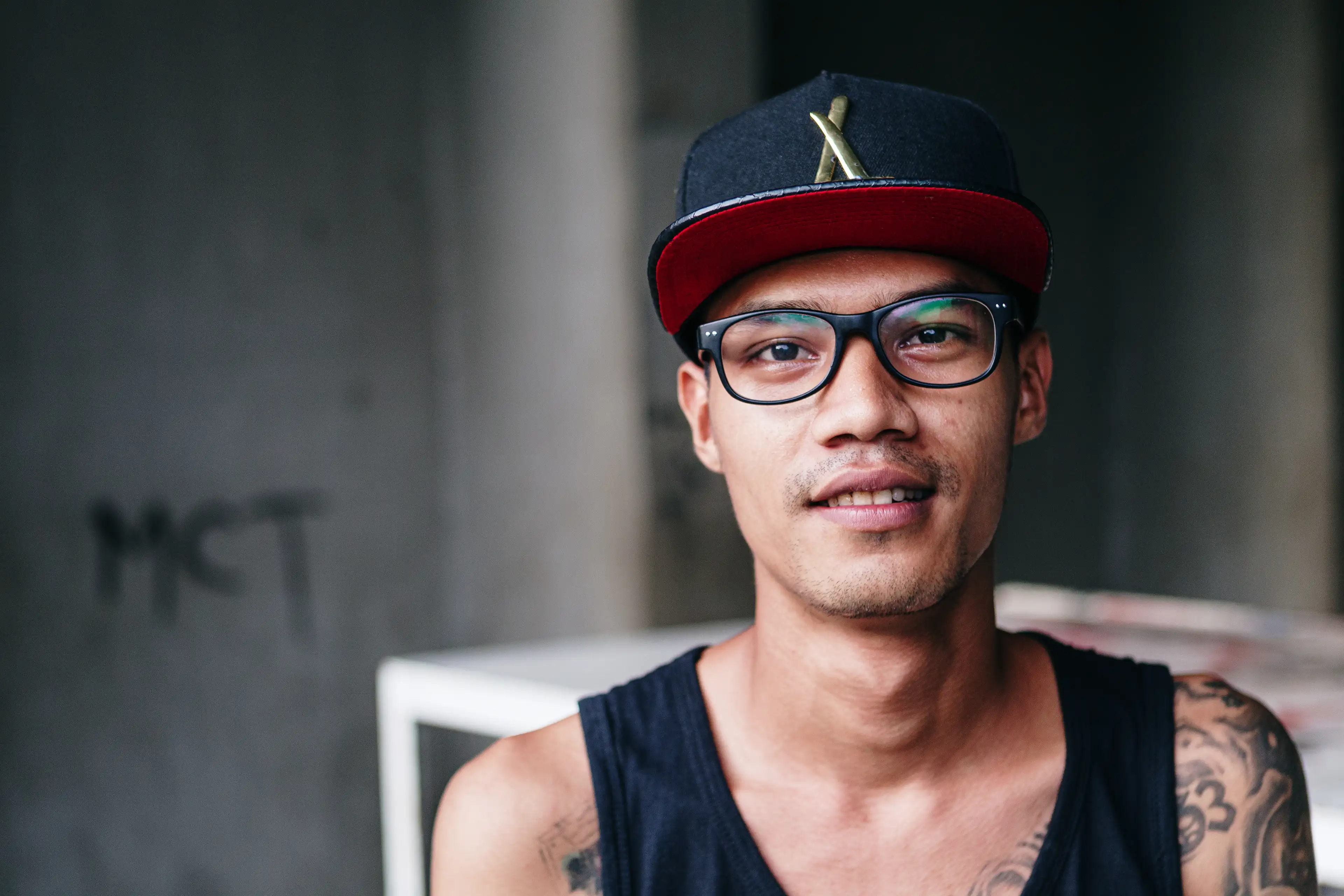
The Skater
What a privilege it was to live in Southeast Asia when this country was more accessible than could have been imagined decades earlier. There, I saw a group of skaters being transformed by something I think can truly be described as a move of God.
I don’t want to paint them all with the same brush, but this was a pretty rough crowd. The drinking, fighting, tatted-up kind of crowd with language that could make a sailor blush. And they were passionate about in-line skating. They’d gather at all hours beneath an overpass where skate ramps and grind rails and even a half pipe were set up.
I think they were a little crazy. They would just do things that were fearless. And it’s like God took that vibe and just turned it around for His glory. As they embraced grace and discovered what following Jesus looked like through the Scriptures in their own language, they didn’t just have an intellectual shift; they became hungry to do what Jesus did and be the way Jesus was. It was messy and imperfect and beautiful.Today, this nation is again gripped by conflict and is largely closed to the outside world. But I have every confidence that God is at work for His glory there—preparing more hearts and calling laborers to that harvest field.
Watch the Commnet video, Done and Dusted.
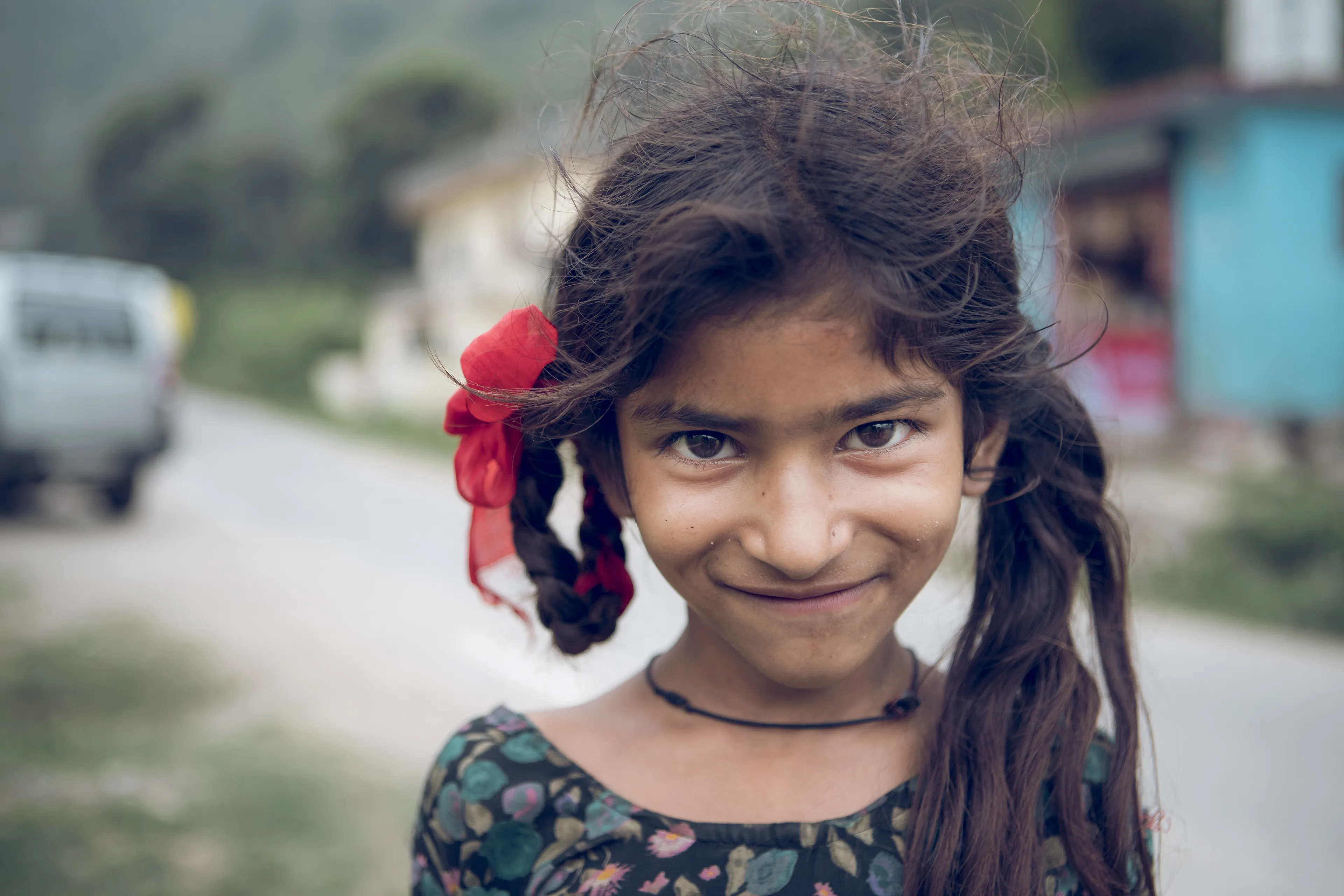
The Girl I Met on the Road
It was the heart of monsoon season in the mountains, and everything was lush green. It was beautiful, and a welcome break from the city smog. I was walking down the road in a small village when I heard the tinkling of a bell. It’s common to tie a bell around the neck of your cow or donkey there.
Sure enough, a cow burst out of the brush and onto the road. This little gal quickly followed, with a switch in her hand. She was driving that cow from wherever it had been, to wherever she wanted it to go—with gusto, I might add. That cow looked to be 700-800 pounds, and I’m pretty sure this little girl was maybe 50 pounds soaking wet. But just look at that sparkle in her eye. She’s got one braid in a ribbon, and the other side is just flying free, crumbs on her cheeks and that grin that seems full of mischief.
I can’t help but long for the gospel to transform the world she’s growing up in. Today, the norm is female infanticide, severe gender discrimination, limited access to education, early marriage and high risk of sexual violence.
See also Women Around the World.
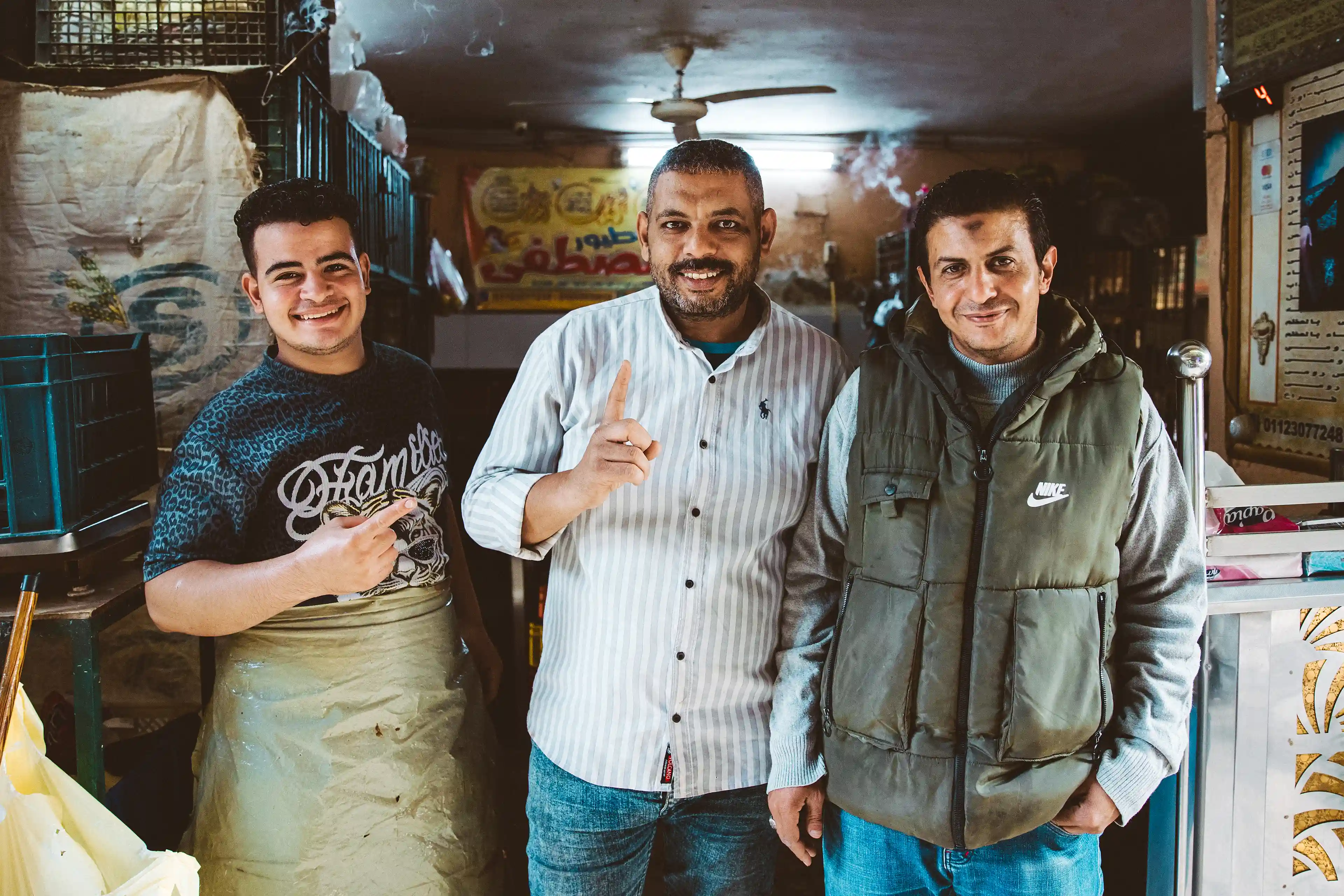
Three Men in the Middle East
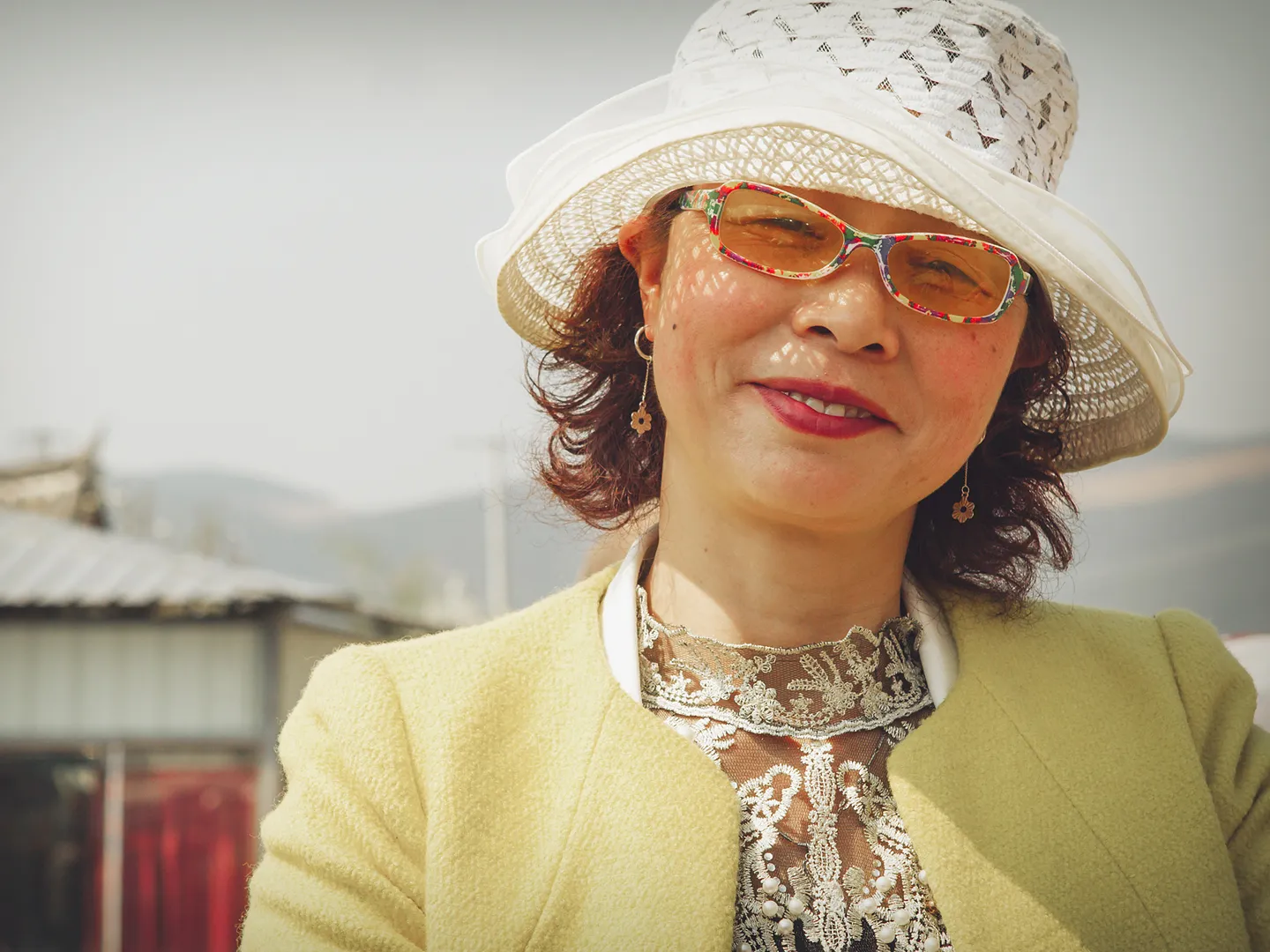
I’m no stranger to challenging environments, but the city where I took this photo is hard for me. I’ve visited many times. I think part of it is the call to prayer blasting out and the drab yellow-brown of almost every building. And truthfully, I've struggled to get a handle on the culture here. It's more aggressive than I'm most familiar with.
Still, encounters like the one I had with these three guys help soften the blow and keep me focused on what matters: people. And I’m so thankful God has called such a diverse group to serve Him among the unreached. Pioneers members are thriving here, a place that crushes me.
So, if you feel a tug on your heart to go to the Middle East, if the Lord has wired you for loving Muslim people in a hard urban environment, there is a place for you. Praise God.
See also Sip & Savor: Exploring Coffee & Tea Culture in the Middle East.
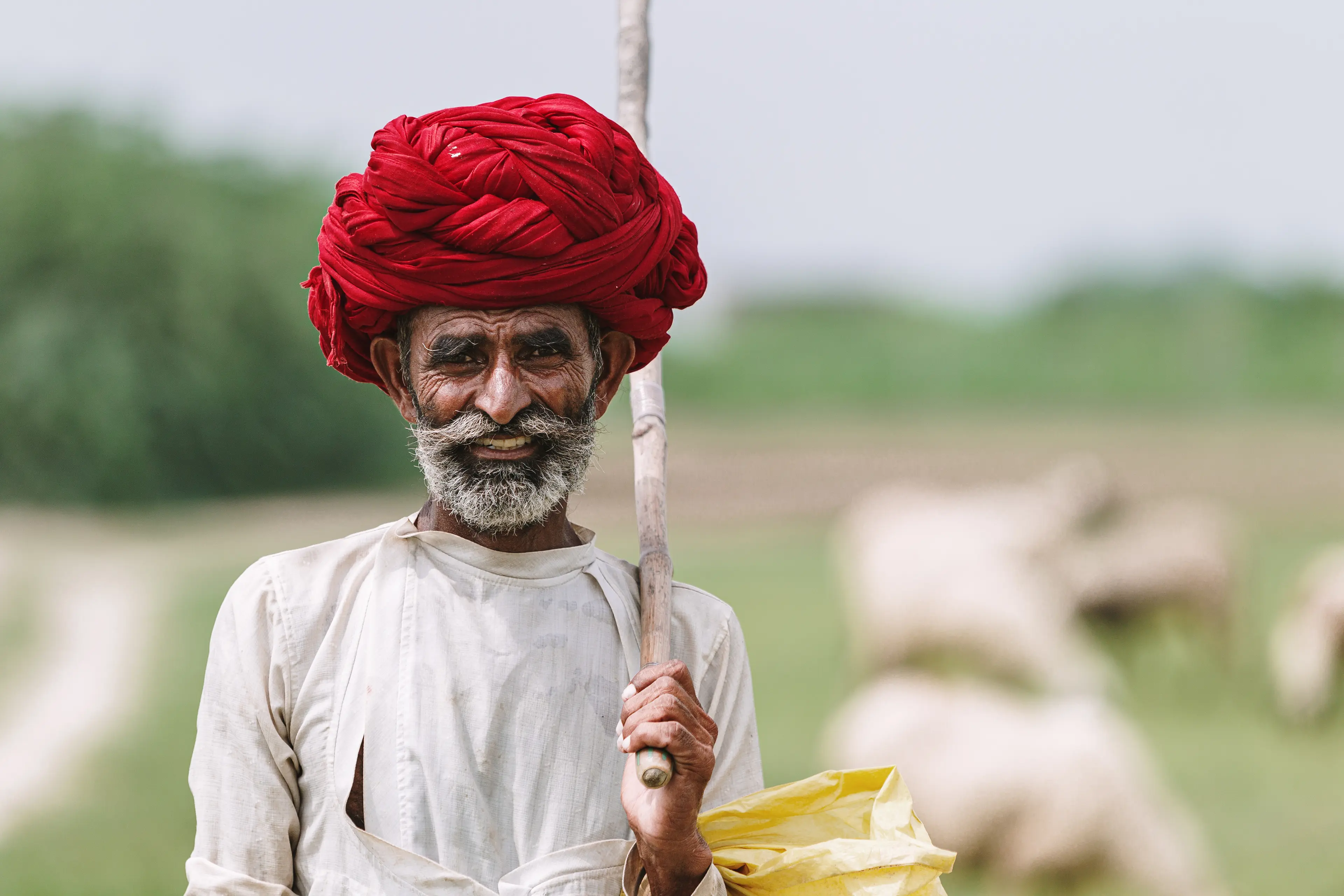
The Shepherd
For as long as I can remember, especially around Christmas, I’ve heard and read accounts of shepherds in the Bible. And of course I’ve come to understand Christ Jesus as the Good Shepherd. For a long time, I had a picture in my mind of what a shepherd would be like, but I’d never actually met one; in my passport country and culture, they just aren’t common.
So, there I am during a ministry trip in India of all places. And I guess I hadn’t given any thought to whether India had shepherds or not because it came as a real surprise when an actual shepherd with a flock of sheep came into the field in which I was standing.
I was so excited, you have no idea. I mean, just look at this gentleman’s turban. And that mustache! Fantastic.
As it turns out, he is part of a tribal caste of nomadic shepherds and herders, considered outsiders by others in the area. I know our Heavenly Father longs for them to be inside His kingdom. I hope you’ll pray with me that more of his community, a frontier group with no known followers of Jesus, will come to know the Good News and their Good Shepherd.
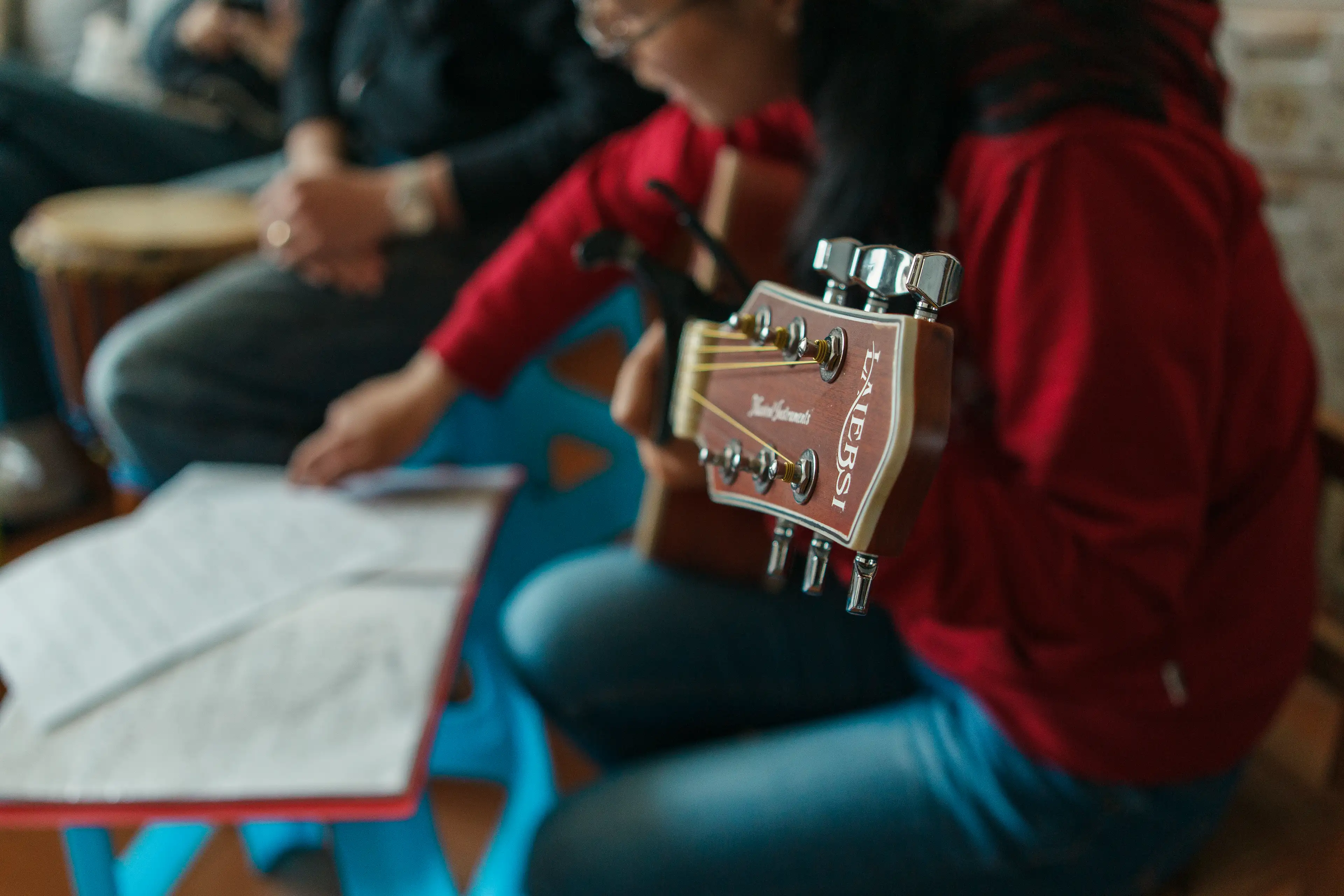
The Musicians
Pioneers members try to work themselves out of a job. It’s our ambition to raise up self-governing, self-supporting, self-propagating local fellowships among unreached people groups. And some missiologists would also add self-theologizing, meaning that local Christians will interpret and express their faith in their own cultural terms.
This photo represents that to me. As Christianity began to spread among one of the officially recognized ethnic minority groups in this country, there were few resources in the native language and certainly no worship music. Christian faith was transmitted orally without formal clergy or even a complete Bible.
Yet when I took this photo, a small group of Jesus followers was gathered together. They were beginning to work out some of the very first worship songs in their heart language. Guided by the Holy Spirit and their understanding of Scripture, they composed their own music with their own words, in their own style, with its unique cadence, dynamics and rhythms. Incredible.
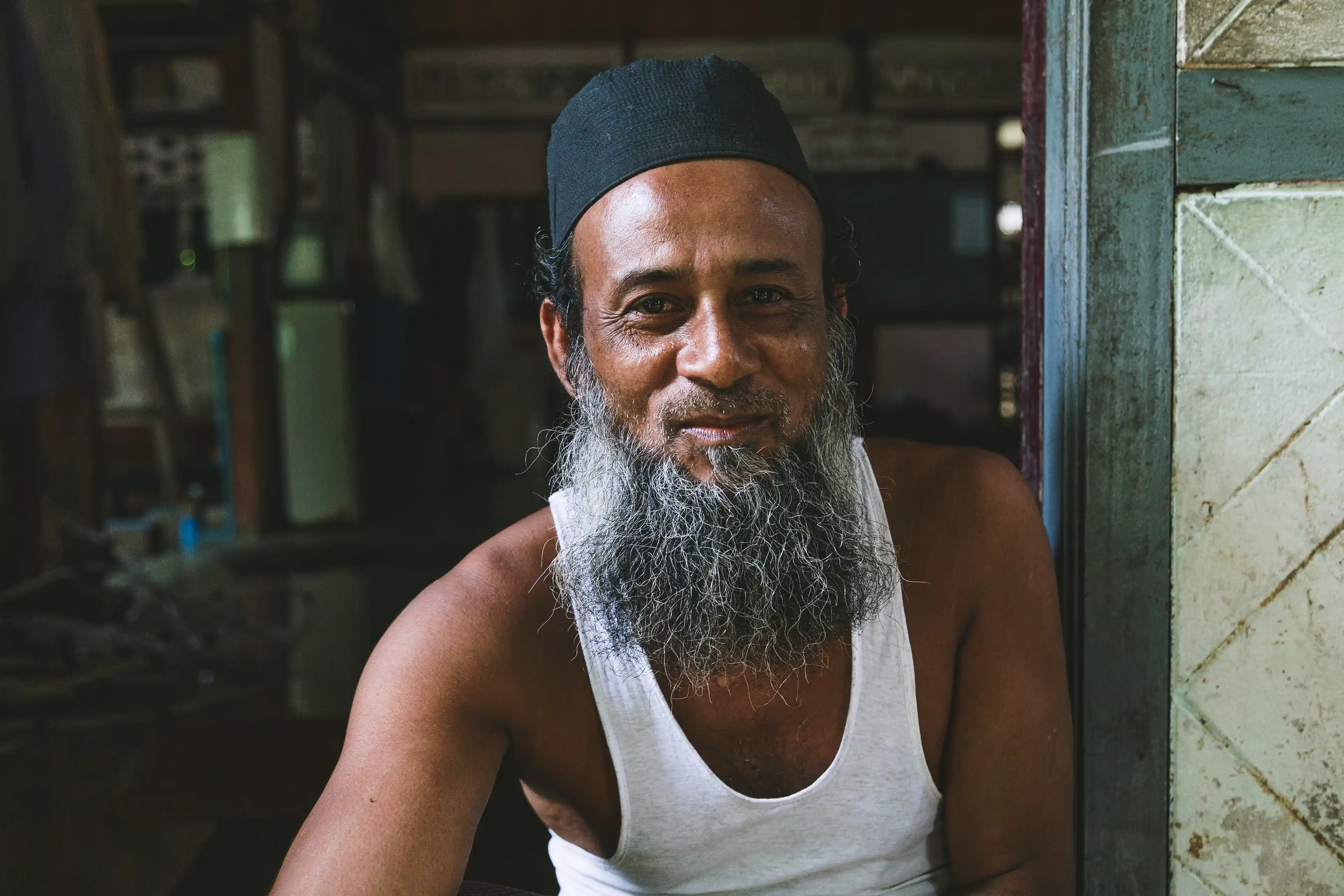
The Man at the Mosque
I met this man at his decaying mosque in a complex corner of Asia. His ethnicity and Islamic faith make him a minority in a place where religion is deeply tied to identity and plays a role in conflicts large and small. When this photograph was taken, vines covered much of the mosque's exterior, and portions of the roof were missing. The government had restricted Muslims from gathering and required special approval for mosque repairs, which in this case had been repeatedly denied.
I left our encounter sensing his hunger and longing for God. The region is marked by civil war, economic collapse and a growing humanitarian crisis.
Conclusion
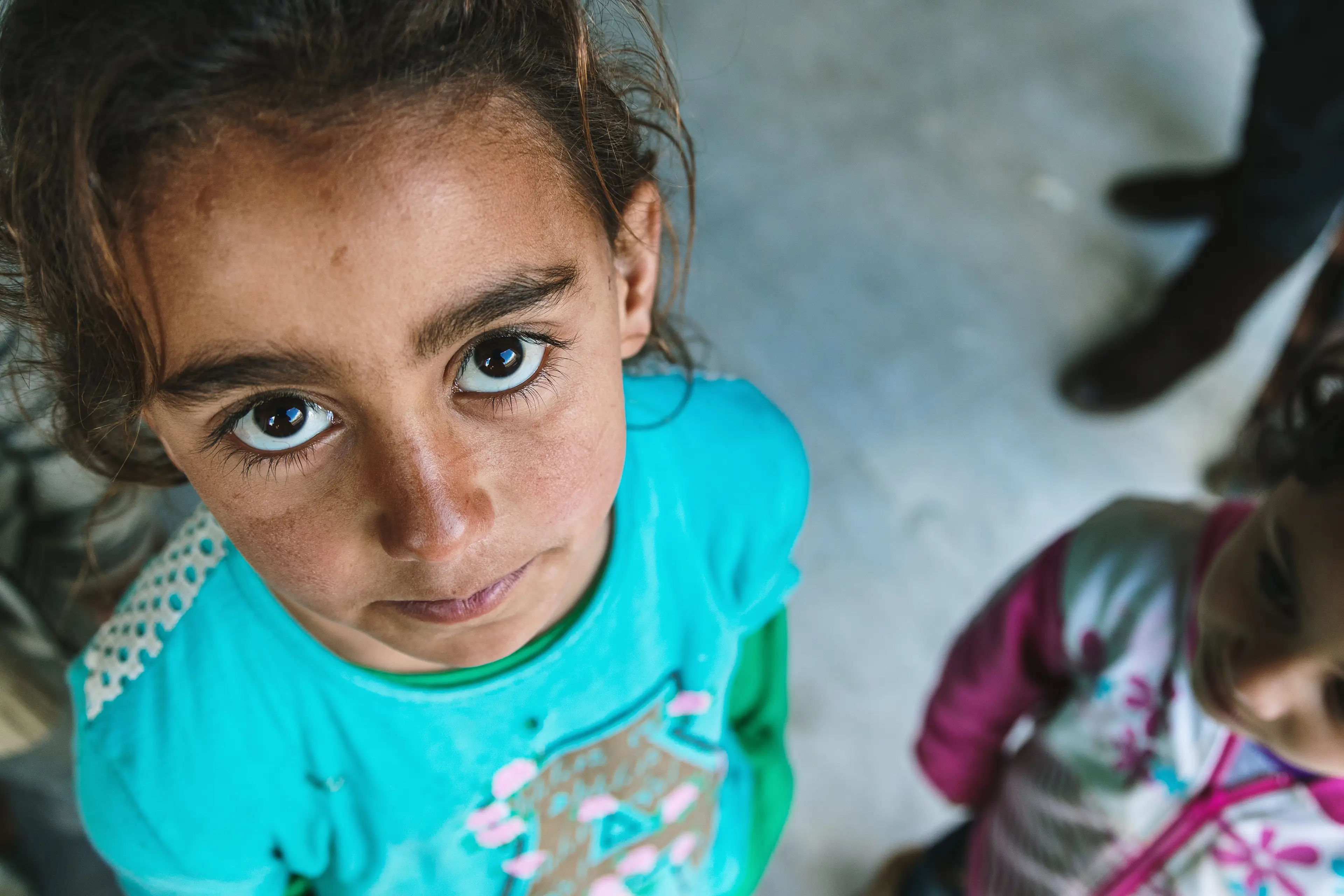
An unreached people group is a cultural or ethnic group without a self-sustaining, indigenous community of believing Christians capable of evangelizing their own people. Christians, specifically evangelical Christians, are typically a very small percentage of the population.
As a result, these are groups with virtually no access to the gospel, often without Bibles in their languages, churches they could be part of or Christians in their community. Most will be born, live and die without knowing someone who follows Jesus.
In some cases they are cut off by geographic barriers, living in remote villages, isolated regions or closed countries. But unreached people groups are also found in urban settings where they may live behind barriers of religion, culture or language. Spiritual resistance may also be fierce, and in many areas following Jesus would be dangerous or even forbidden.
The gospel doesn’t reach these people by accident. It takes our intentional obedience to the Great Commission, fueled by the Great Commandment.
If your heart beats for people who are unreached, let’s talk.

Take the Next Step

In this episode of the Relentless Pursuit Podcast, Jaden shares how he uses photography to bring the faces of the unreached to the attention of the Church.

Wonder how you could use the gifts God gave you? Read how Pioneers are using the arts and media to advance the gospel around the world.

There are lots of ways to look at the Earth’s population. But if your goal is to plant churches that give everyone access to the gospel, some perspectives are more helpful than others. Read What Are Unreached People Groups, Anyway?
Going Deeper
Check out these other related articles